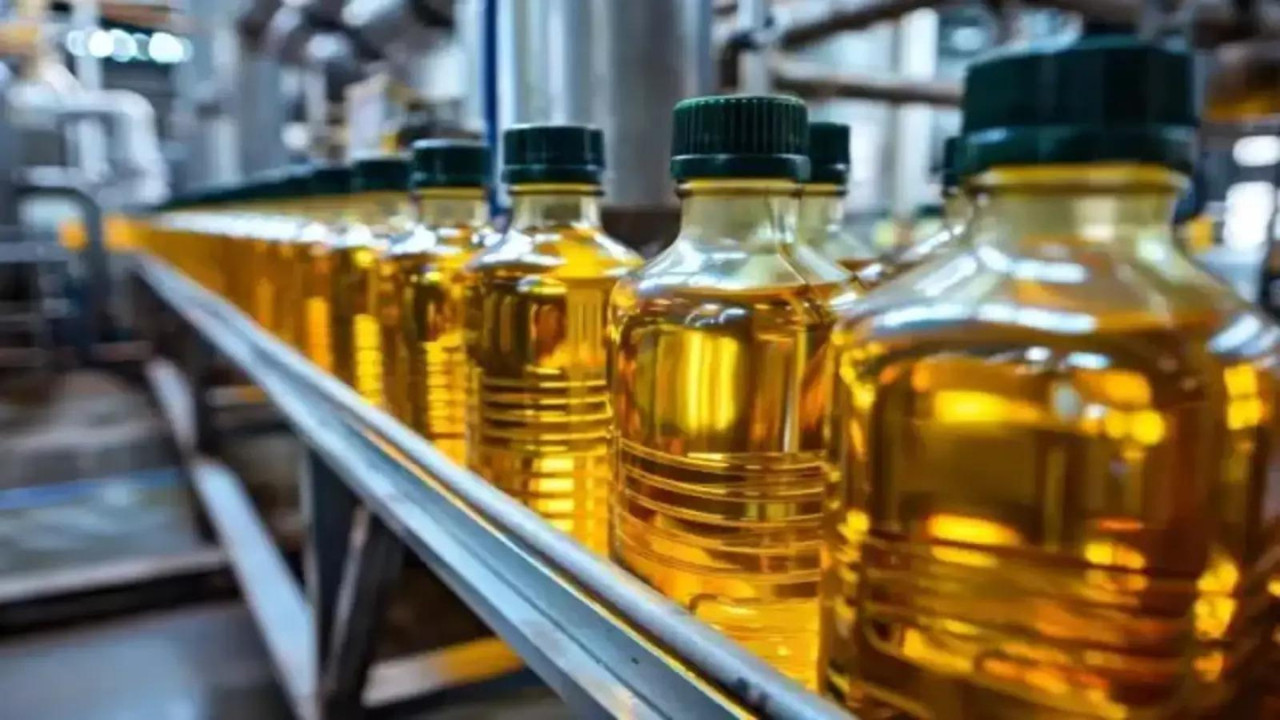
The government has reduced the Basic Customs Duty on crude edible oils like soybean, sunflower, and palm from 20% to 10% to control rising prices. This move widens the import duty differential, encouraging domestic refining and reducing refined oil imports. The food ministry has directed industry associations to immediately pass on the duty reductions to consumers by adjusting prices.
Cooking Oil Prices About to Get Less Squeezed? Why the Government’s Move Matters.
Okay, folks, let’s talk cooking oil. That kitchen staple we all use, often without a second thought, is quietly becoming a major factor in household budgets. And if you’ve been feeling the pinch lately, there might be a little relief on the horizon. The government just made a move that could impact the price of that bottle of sunflower, soybean, or palm oil sitting in your pantry.
What happened? Well, they’ve slashed the basic customs duty on crude edible oils – the raw stuff before it gets refined and bottled – from 20% down to 10%. That’s a pretty significant chop, and it begs the question: why now, and what does it all mean for us?
The answer, as with most things economic, is layered. India is a massive importer of edible oils. We don’t produce nearly enough to satisfy our own demand, so we rely heavily on sourcing it from other countries. This makes us incredibly vulnerable to global price fluctuations. Think about it: political instability in a major exporting region, a bad harvest somewhere, or even just increased global demand can send prices soaring here at home. And that hits everyone, from the corner store vendor frying up samosas to the family cooking dinner.
Over the past year or so, these global pressures have been pretty intense. We’ve seen prices climb steadily, putting a real strain on household finances, especially for lower-income families who spend a larger percentage of their income on food. This is where the government’s move comes in. By reducing the import duty, they’re essentially making it cheaper for Indian companies to import crude edible oils. This lower cost, in theory, should translate to lower prices on the shelves of your local grocery store.

But before you start planning a celebratory samosa-frying session, let’s pump the brakes a bit. The path from import duty reduction to cheaper cooking oil isn’t always a straight line. A few things need to happen:
First, importers need to actually pass on the savings. Let’s be honest, businesses aren’t always quick to lower prices, even when their costs go down. They might use the extra margin to improve their own bottom line, or perhaps to offset other rising costs. The hope is that competitive pressures will force them to pass at least some of the savings on to consumers.
Second, global prices need to remain relatively stable. If global prices of crude edible oils suddenly spike again (due to, say, another geopolitical crisis or a drought), the benefit of the duty reduction could be wiped out entirely. We’re still at the mercy of the global market, to some extent.
Third, the effectiveness of this measure depends on how quickly the benefits trickle down the supply chain. From importer to refiner to distributor to retailer, each step in the process adds its own costs and markups. The quicker and more efficiently the savings are passed along, the sooner we’ll see a difference at the checkout.
So, what’s the likely outcome? I suspect we’ll see a gradual easing of cooking oil prices over the coming weeks and months. Don’t expect a dramatic price crash overnight. But if global conditions remain favorable, this duty reduction could provide some much-needed relief to consumers.

There’s also a broader point to consider here. This situation highlights India’s dependence on imports for essential commodities. It’s a reminder that we need to prioritize strengthening our own domestic production capacity, not just for edible oils, but for other critical goods as well. Investing in research and development, supporting local farmers, and improving agricultural infrastructure are all crucial steps towards building a more self-reliant and resilient economy.
Ultimately, this duty reduction is a welcome step in the right direction. But it’s just one piece of the puzzle. Addressing the long-term challenges of food security and price stability will require a more comprehensive and sustained effort. For now, keep an eye on those cooking oil prices – you might just see them dip a little lower. And that’s something worth celebrating, even if it’s just with a slightly cheaper batch of pakoras.
📬 Stay informed — follow us for more insightful updates!