India’s currency is facing a sharp decline in 2025. What are the top reasons behind? Is it the trade disputes with the US or the reduced foreign investment or the Reserve Bank of India’s managing of the situation with a restrained approach. What is making the rupee’s value fall significantly this year?
Why Your Vacation to Europe Just Got More Expensive: Understanding the Rupee’s Plunge
This year has been a rollercoaster for the Indian Rupee. While the stock market dances to a bullish tune, and headlines tout India’s economic growth, the Rupee has quietly become Asia’s worst-performing currency. That’s right, your wallet might be feeling the pinch, and understanding why is crucial for both savvy investors and those simply planning their next overseas trip. But what forces conspired to bring the Rupee to this point?
The story isn’t a simple one. It’s a blend of global uncertainties and local pressures, all swirling together to create a perfect storm. Let’s unpack the key factors contributing to the Rupee’s recent slide.
The Relentless Rise of the Dollar
One of the biggest culprits is the mighty US dollar. Like a financial superhero flexing its muscles, the dollar’s strength has had a ripple effect across the globe. The US Federal Reserve’s aggressive interest rate hikes, designed to combat inflation, have made the dollar a particularly attractive investment. Investors flock to the safety and higher returns offered by US assets, driving up demand for the dollar and simultaneously putting downward pressure on other currencies, including the Indian Rupee.
Imagine a seesaw: as the dollar goes up, everything else tends to go down. This “dollar dominance” is a recurring theme in global finance, and right now, it’s a major headwind for the Rupee.
Global Trade Tensions and the Rupee


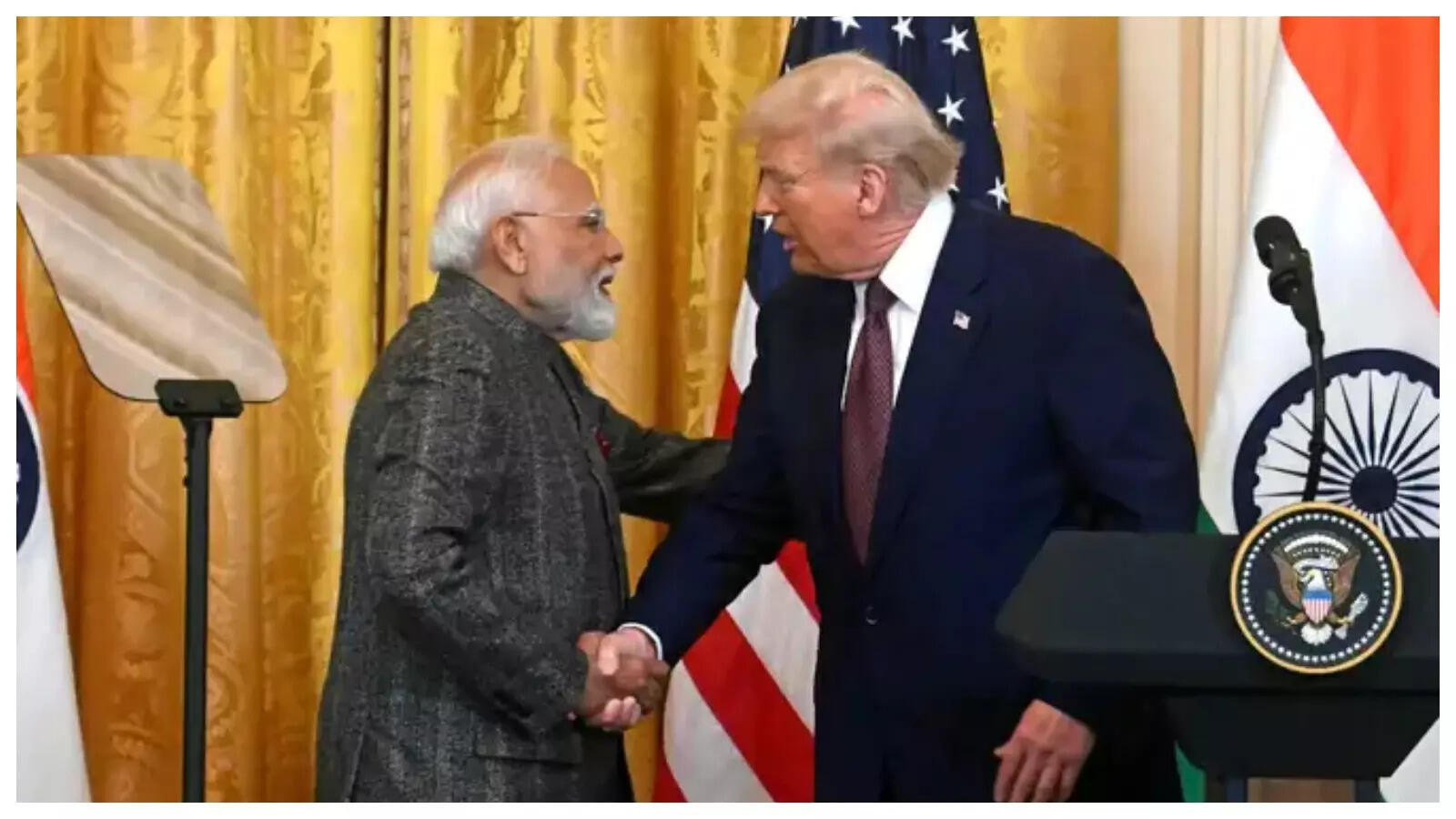
Beyond interest rates, global trade dynamics play a significant role. The ongoing trade war between the US and China continues to cast a long shadow, creating uncertainty and impacting global supply chains. Any escalation or unexpected development in this trade conflict tends to send investors scrambling for safe-haven assets, further strengthening the dollar and weakening emerging market currencies like the Rupee.
Think of it like this: when global trade is humming along smoothly, everyone benefits. But when tensions rise and trade routes become disrupted, investors get nervous and seek the perceived safety of the dollar.
India’s Trade Deficit: A Balancing Act
Closer to home, India’s own economic realities are also contributing to the Rupee’s weakness. A persistent trade deficit, meaning India imports more than it exports, puts inherent pressure on the currency. When demand for foreign goods and services is high, India needs more foreign currency (primarily US dollars) to pay for these imports. This increased demand for dollars weakens the Rupee.
While India’s economy is growing, that growth is fueled, in part, by imports. Managing this trade deficit is a constant balancing act for policymakers. To read more about India’s economic outlook, check out our article on [India’s GDP growth projections].
Foreign Investment Flows and the Indian Rupee
The flow of foreign investment into and out of India also significantly impacts the Rupee’s value. When foreign investors pour money into Indian stocks, bonds, and businesses, it increases demand for the Rupee and strengthens the currency. Conversely, when investors pull their money out, it weakens the Rupee.
Global investor sentiment can be fickle. Factors like geopolitical risks, changes in US interest rates, and concerns about India’s economic policies can all trigger capital outflows, putting downward pressure on the Rupee.

What Does This Mean for You?
A weaker Rupee has several implications. For consumers, it means imported goods become more expensive. That shiny new smartphone you’ve been eyeing, the imported cheese on your pizza, and yes, that vacation to Europe all cost more.
For businesses, it can impact profitability, particularly for those that rely heavily on imported raw materials or components. Exporters, on the other hand, may benefit as their goods become more competitive in the global market.
Is There a Silver Lining?
While the Rupee’s decline presents challenges, it’s not all doom and gloom. A weaker Rupee can boost exports and attract foreign investment in the long run, provided the underlying economic fundamentals remain strong. The Reserve Bank of India (RBI) also has tools at its disposal to manage the currency’s volatility, such as intervening in the foreign exchange market and adjusting interest rates. However, these interventions can have their own consequences, so the RBI must tread carefully.
The future trajectory of the Rupee is uncertain and depends on a complex interplay of global and domestic factors. While predicting the future is impossible, understanding the forces at play allows for better financial planning and investment decisions. Navigating these economic currents requires a keen awareness of the global landscape and its impact on the Indian Rupee.