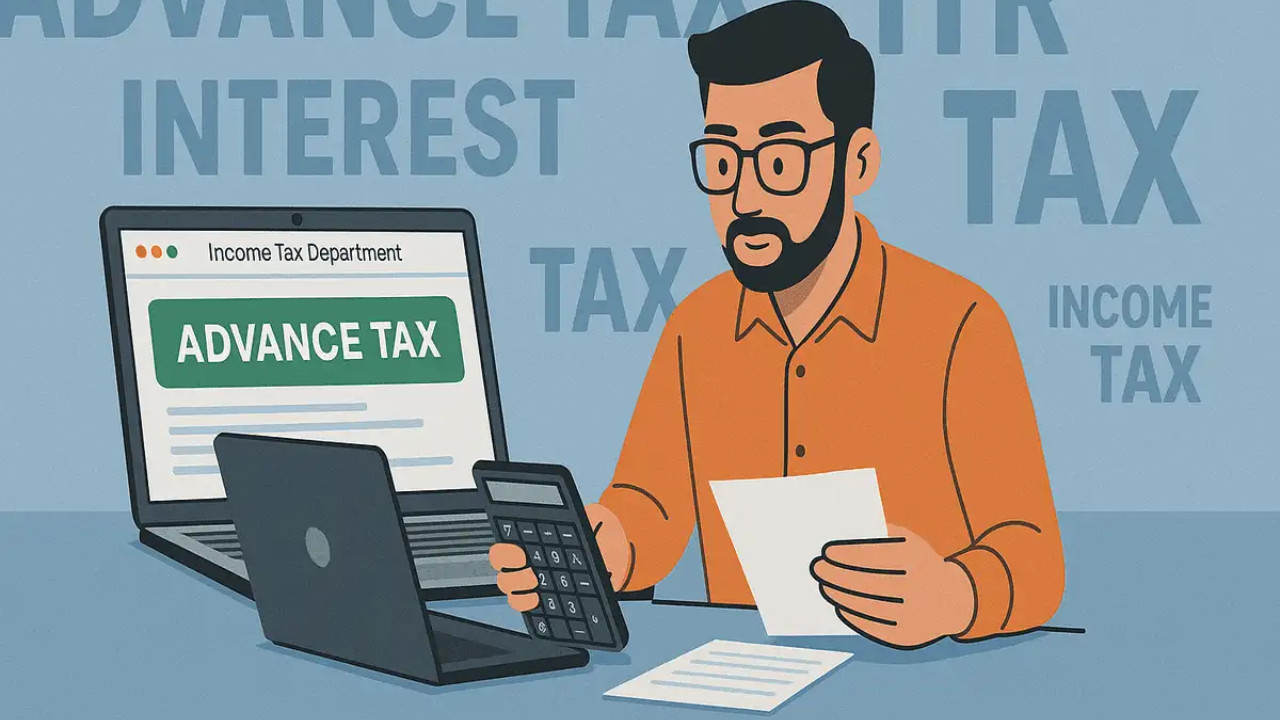
Individuals with a net tax liability exceeding Rs 10,000 must pay advance tax in four installments, with specific exemptions for resident senior citizens without business income and salaried individuals whose tax is fully covered by TDS. Certain incomes like capital gains can be paid in the subsequent quarter after earning.
Decoding Advance Tax: Your Guide to Staying Ahead of the Curve
Tax season. Just the words can send shivers down the spines of even the most organized individuals. But what if you could proactively manage your tax liabilities throughout the year, rather than facing a hefty bill (and potential penalties) at the end? Enter: advance tax.
Think of advance tax as paying your income tax in installments. Instead of one lump sum, you break it down into manageable quarterly payments. It’s essentially a “pay-as-you-earn” system designed to keep the government’s revenue stream consistent and prevent a year-end crunch for both the tax authorities and, more importantly, you.
But who exactly needs to navigate this system? And how does it all work? Let’s break down the fundamentals of advance tax, so you can ensure you’re not just compliant, but also financially savvy.
Who’s in the Advance Tax Club?
The rule is straightforward: if your estimated tax liability for the financial year (after deducting TDS, or Tax Deducted at Source) exceeds ₹10,000, you’re required to pay advance tax. This applies to a wide range of income earners, including:

* Salaried Individuals with Significant Other Income: If you’re employed but also earn substantial income from sources like rent, capital gains (selling shares or property, for example), or interest, you’ll likely fall under the advance tax umbrella. Your employer deducts TDS from your salary, but it might not cover your entire tax obligation, leading to advance tax requirements.
* Self-Employed Professionals and Business Owners: Freelancers, consultants, entrepreneurs – basically anyone who runs their own show – are almost always required to pay advance tax. Their income isn’t subject to TDS in the same way as salaries, making advance tax a crucial part of their financial planning.
* Those with Capital Gains or Lottery Winnings: Did you make a significant profit from selling stocks or real estate? Or perhaps you struck gold with a lottery ticket? These windfall gains are subject to tax and, if they push your overall tax liability above the ₹10,000 threshold, you’ll need to pay advance tax.

Who Gets a Pass?
There are, thankfully, a few exceptions to the advance tax rule. Senior citizens (aged 60 years or older) who don’t have income from business or profession are exempt from paying advance tax. Also, if your total tax liability, after TDS, is less than ₹10,000, you’re off the hook.

Decoding the Quarterly Deadlines: A Timetable for Tax Success
Advance tax isn’t a one-time affair. It’s paid in installments throughout the financial year, each with its own deadline. Here’s a breakdown:
* June 15th: Pay at least 15% of your estimated advance tax.
* September 15th: Pay at least 45% of your estimated advance tax (including the amount already paid in June).
* December 15th: Pay at least 75% of your estimated advance tax (including the amounts already paid).
* March 15th: Pay 100% of your estimated advance tax (including the amounts already paid).
It’s important to Paying advance tax might seem like a burden, but it offers several advantages. It helps you manage your finances effectively, avoids the stress of a large tax bill at the end of the year, and prevents potential penalties for late payments or underpayment. It’s a proactive approach to financial management that empowers you to stay in control of your taxes.
Ultimately, understanding advance tax requirements is a crucial part of responsible financial planning. By being aware of the rules, deadlines, and payment procedures, you can navigate the tax landscape with confidence and ensure you’re always one step ahead.