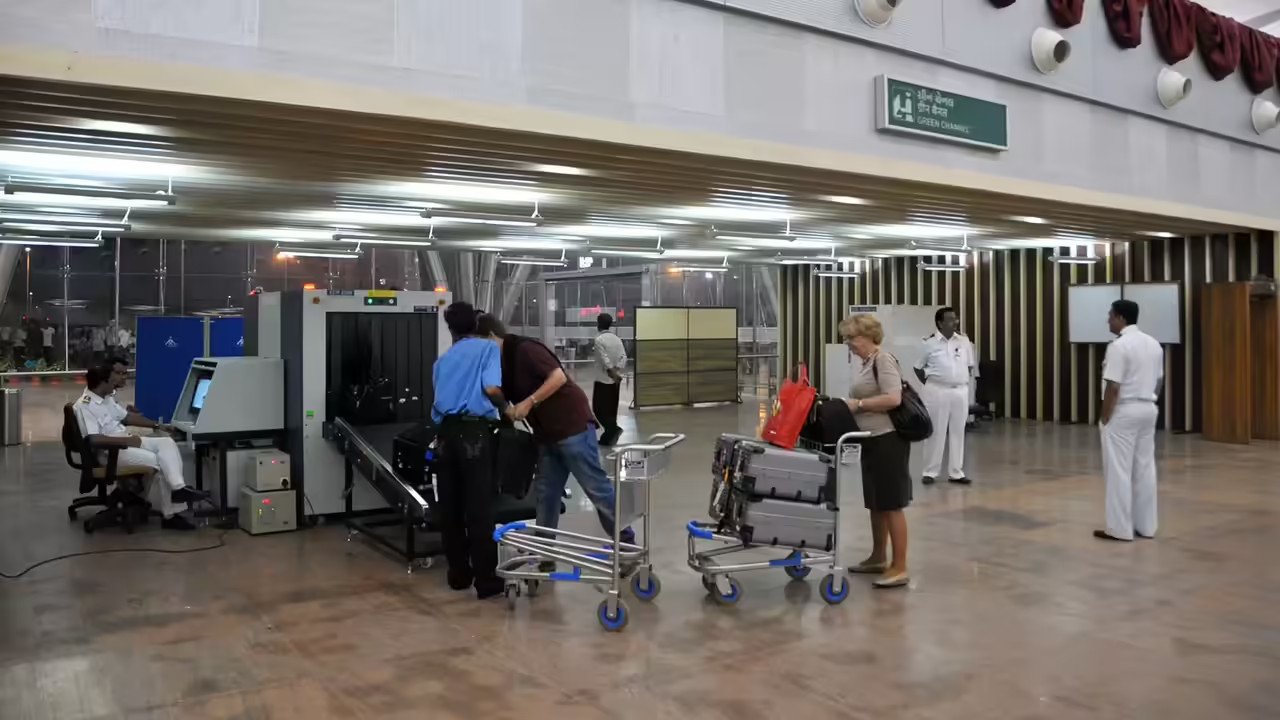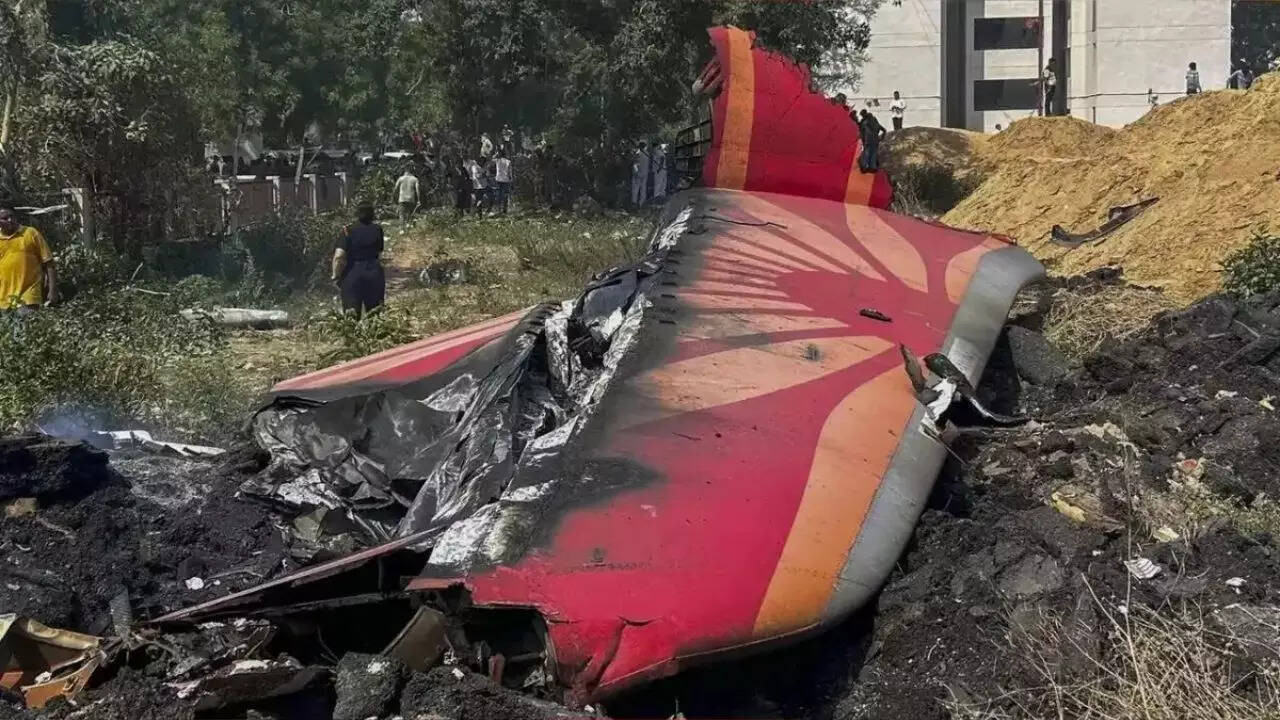
Following the Air India crash in Ahmedabad, fear of flying has surged, impacting even seasoned travelers. Mental health experts attribute this rise to recent flight incidents and constant exposure to disturbing news on social media. Many passengers are now experiencing travel anxiety, altering travel plans, and seeking therapy to manage their fears before boarding flights.
Is Flying Still Giving You the Jitters? It’s More Common Than You Think.
Remember the collective gasp we all shared when news of that Air India plane crash surfaced? The news cycle moved on, but for many, that feeling of unease before boarding a flight probably lingered a little longer. While statistically, air travel remains incredibly safe, those unsettling headlines can definitely burrow into our subconscious, sparking or reigniting anxieties about flying. You’re not alone if the thought of turbulence or mechanical failure now feels a little more prominent on your pre-flight checklist of worries.
This isn’t just anecdotal. It’s a real phenomenon psychologists are observing, particularly among those who already experience some degree of anxiety. The visual nature of news today, combined with the accessibility of information, means we are constantly bombarded with worst-case scenarios, however rare they may be. And our brains, wired to detect threats, often struggle to accurately assess the statistical improbability of these events actually happening to us.
Understanding Your Fear of Flying
So, why does flying trigger such potent anxiety in so many people? It’s often a complex mix of factors. For some, it’s a fear of enclosed spaces (claustrophobia) exacerbated by being confined within an aircraft. Others grapple with a lack of control; surrendering their safety to the pilot and the mechanics of a complex machine. And then there’s the fear of the unknown – the invisible forces of lift and thrust that keep a multi-ton vehicle suspended thousands of feet in the air. All pretty unnerving when you stop to think about it!


The recent Air India incident, while statistically insignificant in the grand scheme of air travel, acted as a flashpoint, bringing these underlying anxieties to the surface. Suddenly, the “what ifs” felt much more real, the potential for disaster more tangible.
Post-Crash Anxiety: A Perfectly Normal Reaction
It’s crucial to acknowledge that feeling anxious after witnessing a tragedy – even a tragedy experienced vicariously through the news – is a perfectly normal human response. Our brains are wired to learn from perceived threats and adapt our behavior to minimize risk. The problem arises when this natural protective mechanism becomes overly sensitive, leading to excessive worry and avoidance behaviors.
If you find yourself struggling with heightened anxiety related to flying in the wake of recent events, it’s important to address it proactively. Don’t just dismiss it as “being silly” or “overreacting.” Acknowledge your feelings and validate your experience. Suppressing anxiety often makes it worse in the long run.
Strategies for Managing Flight Anxiety
So, what can you do to ease your anxiety and reclaim your confidence in flying? Here are a few strategies that may help:
* Education is Empowerment: Understanding how airplanes work, the rigorous safety protocols in place, and the statistics surrounding air travel can be incredibly reassuring. Knowledge dispels fear. There are many online resources and even dedicated courses designed to educate anxious flyers.

* Mindfulness and Relaxation Techniques: Practicing mindfulness, deep breathing exercises, or progressive muscle relaxation can help calm your nervous system both before and during your flight. Download a meditation app or learn some simple relaxation techniques you can use on the go. You can read more about general stress management on this page.
* Distraction is Your Friend: Engage your mind with something enjoyable during the flight. Read a book, watch a movie, listen to music, or strike up a conversation with a fellow passenger. Anything that keeps your mind occupied can help distract you from anxious thoughts.
* Professional Help: If your anxiety is severe or significantly impacting your life, don’t hesitate to seek professional help. A therapist specializing in anxiety disorders can provide effective coping strategies and potentially even recommend exposure therapy to gradually desensitize you to your fear.
Flying, while statistically safe, will inevitably trigger anxieties in some. Understanding the roots of your fear and implementing practical coping strategies can help you manage your anxiety and enjoy your travels with greater peace of mind. The important thing is to acknowledge that flight anxiety is real, it’s manageable, and you’re not alone in experiencing it.