Prime Minister Modi, addressing his constituency, emphasized prioritizing farmers’ welfare, small industries, and youth employment amid global economic instability. He urged citizens to embrace ‘swadeshi’ products and support local businesses, highlighting India’s economic resilience and commitment to its interests. Modi also transferred Rs 20,500 crore to farmers under the PM-KISAN scheme, reaffirming his government’s dedication to agriculture.
Navigating Trade Winds: How India Plans to Shield its Farmers and Businesses
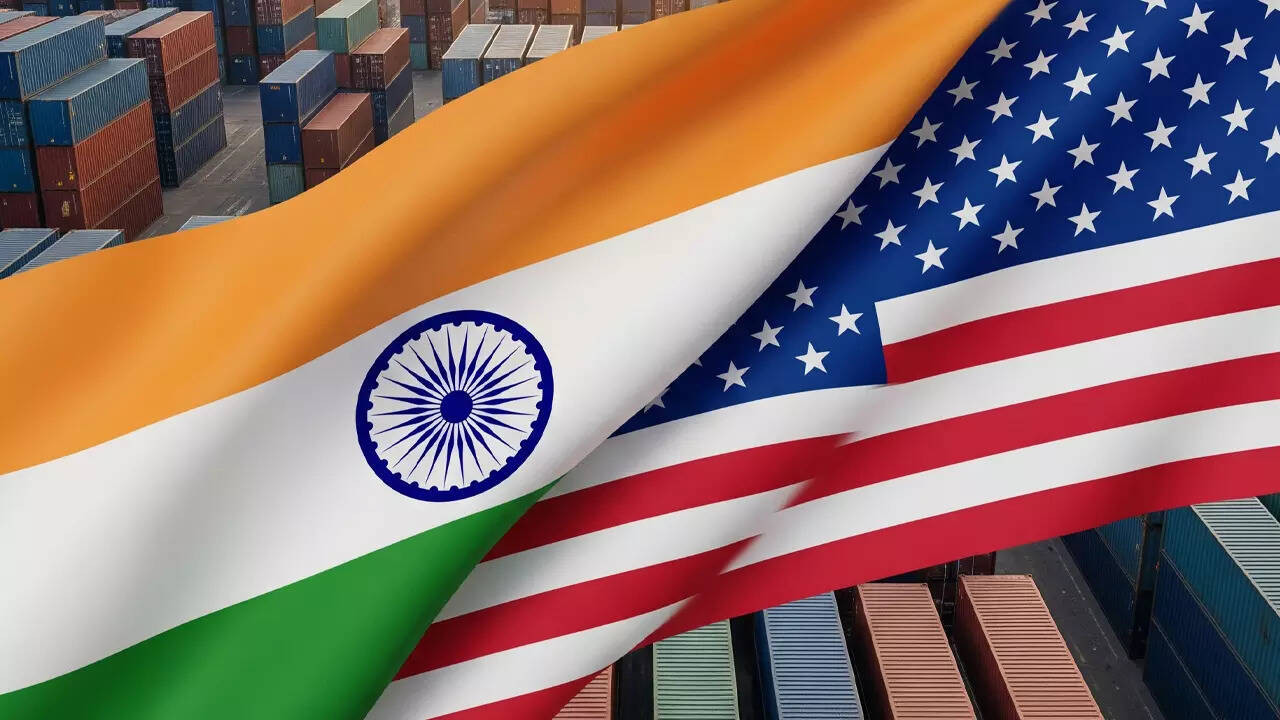
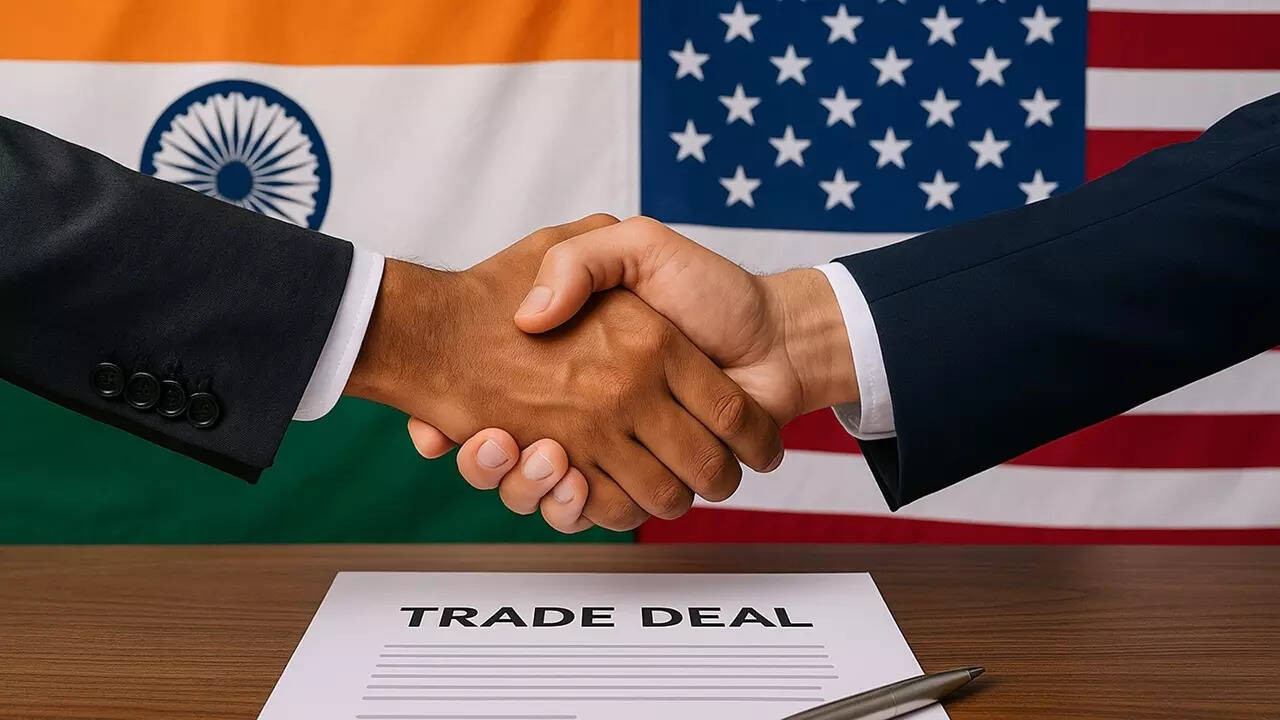
The global economic landscape feels a bit like a high-stakes chess game these days. With murmurs of potential tariff hikes echoing from across the ocean, India’s Prime Minister recently stepped forward with a firm commitment: to protect the nation’s farmers, MSMEs (Micro, Small & Medium Enterprises), and its vibrant youth population from any adverse fallout. But what does this promise entail, and how does India plan to weather these potentially stormy trade winds?
The assurance came during a recent address, where the Prime Minister emphasized the government’s proactive approach to safeguarding the economic interests of key sectors. It’s a critical move, acknowledging the interconnectedness of the global economy and the potential impact of decisions made far beyond India’s borders.
<img src="image-url-here.jpg" alt="Indian farmers working in a field, highlighting the government's commitment to protect farmers and their livelihoods.”>
Bolstering MSMEs: The Engine of Growth
MSMEs are the backbone of the Indian economy, a dynamic force driving innovation and generating employment opportunities across the country. Recognizing their vital role, the government’s protective measures are likely to focus on easing the burden of potential tariffs. This could involve exploring alternative export markets, providing financial assistance to help MSMEs adapt to changing trade dynamics, and promoting technological upgrades to enhance their competitiveness on the global stage. Think of it as equipping these smaller businesses with the tools they need to not just survive, but thrive in a more challenging environment.

Safeguarding Farmers: Ensuring Food Security and Economic Stability
For generations, agriculture has been a way of life for millions of Indians, and a cornerstone of the national economy. The Prime Minister’s pledge to protect farmers highlights the government’s commitment to ensuring food security and the economic well-being of this vital segment of society. Specific strategies could include diversifying agricultural exports, strengthening domestic supply chains, and providing farmers with access to modern technologies and best practices. The focus is on empowering farmers to increase their productivity and incomes, regardless of global trade fluctuations. This also ties into broader initiatives like promoting sustainable agriculture practices in India.
Empowering Youth: Investing in the Future Workforce
India’s demographic dividend – its large and youthful population – represents a significant asset. Protecting the interests of young people means ensuring they have access to quality education, relevant skills training, and ample employment opportunities. The government’s efforts are likely to focus on promoting entrepreneurship, fostering innovation, and creating a conducive environment for businesses to flourish, thereby generating more jobs for young Indians. This proactive approach will not only shield them from the immediate impact of potential tariffs but also equip them with the tools they need to succeed in the long run.
Navigating the Global Trade Landscape: A Multifaceted Approach
The key to successfully navigating these challenging times lies in a multifaceted approach. India is actively engaging with international partners to foster dialogue and promote fair trade practices. Simultaneously, the government is focused on strengthening its domestic economy, reducing its dependence on specific export markets, and fostering self-reliance across various sectors. This involves initiatives like promoting local manufacturing, investing in infrastructure development, and streamlining regulations to attract foreign investment. The idea is to create a more resilient and diversified economy that can withstand external shocks.

Moreover, continuous monitoring of the global trade situation is essential. By staying ahead of the curve and anticipating potential challenges, the government can proactively adjust its policies and strategies to mitigate any adverse impact on the Indian economy. This includes conducting thorough impact assessments of potential tariff changes and engaging in proactive discussions with relevant stakeholders to ensure a coordinated and effective response.
A Path Forward: Resilience and Opportunity
The Prime Minister’s commitment to protect farmers, MSMEs, and youth sends a clear message of reassurance and resolve. While the global trade landscape may be uncertain, India is proactively taking steps to safeguard its economic interests and ensure a prosperous future for all its citizens. This involves a combination of strategic interventions, proactive diplomacy, and a steadfast focus on building a stronger, more resilient domestic economy. By empowering its farmers, supporting its MSMEs, and investing in its youth, India is not just weathering the storm; it’s positioning itself for long-term growth and success in an increasingly interconnected world.