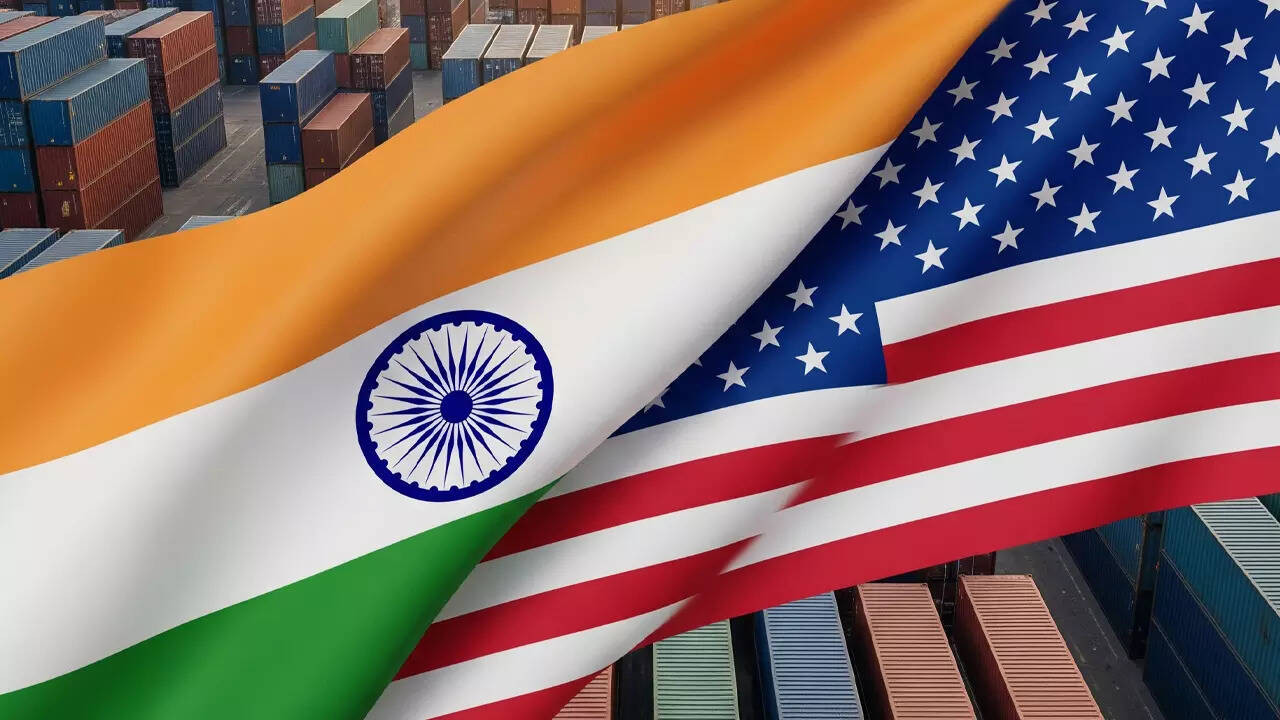
Prime Minister Modi, addressing his constituency, emphasized prioritizing farmers’ welfare, small industries, and youth employment amid global economic instability. He urged citizens to embrace ‘swadeshi’ products and support local businesses, highlighting India’s economic resilience and commitment to its interests. Modi also transferred Rs 20,500 crore to farmers under the PM-KISAN scheme, reaffirming his government’s dedication to agriculture.
Riding Out the Storm: How India Plans to Shield Farmers and Small Businesses
Global winds are shifting, and with them, whispers of trade turbulence. The threat of renewed tariffs hangs heavy in the air, particularly after pronouncements from across the Atlantic. In the face of this potential economic squall, India’s Prime Minister has stepped forward with a commitment to safeguard the backbone of the nation’s economy: its farmers, its Micro, Small, and Medium Enterprises (MSMEs), and its vibrant youth. The message is clear: India intends to weather this storm, and emerge stronger on the other side.
The reassurance came during a recent address, where the Prime Minister underscored the vital role these sectors play in driving India’s growth engine. While specific policy details are still emerging, the commitment itself is a significant signal, suggesting a proactive approach to mitigating potential negative impacts. It hints at a strategy beyond mere reaction, one designed to foster resilience and unlock new opportunities, even amidst global uncertainty.
Protecting the Pillars: Focus on Agriculture
Agriculture, the lifeblood of rural India, is particularly vulnerable to tariff wars. Fluctuations in global demand and price pressures can quickly trickle down, impacting the livelihoods of millions of farmers. The Prime Minister’s pledge likely entails a multi-pronged approach to insulate farmers from these shocks. This could involve strengthening existing support mechanisms like minimum support prices (MSPs) for key crops, improving irrigation infrastructure, and promoting diversification into higher-value agricultural products.
<img src="image-url-here.jpg" alt="Indian farmers working in a lush green field, highlighting the importance of agricultural support.”/>

Furthermore, the emphasis on technology and innovation in agriculture cannot be overstated. Imagine a scenario where farmers have access to real-time market information, precision farming techniques, and climate-resilient crop varieties. This is not just a futuristic vision; it’s a practical necessity. By empowering farmers with the tools and knowledge they need, India can build a more robust and sustainable agricultural sector.
Boosting MSMEs: The Engine of Growth
MSMEs are the unsung heroes of the Indian economy, contributing significantly to employment generation and innovation. These businesses, however, often operate on thin margins and are particularly susceptible to disruptions in global supply chains and export markets. The Prime Minister’s promise to protect MSMEs suggests a focus on policies that enhance their competitiveness and access to finance.
One crucial area is streamlining regulations and reducing bureaucratic hurdles. Imagine a small business owner spending less time navigating complex paperwork and more time focusing on innovation and growth. This requires a concerted effort to simplify processes, promote digitalization, and create a more business-friendly environment. Also, easier access to credit is vital. Government-backed loan schemes and initiatives aimed at improving financial literacy can empower MSMEs to invest in expansion and technology upgrades. This will help them compete on a global scale. You might find this article on [government initiatives for SMEs](internal-link-here) helpful.
Empowering the Youth: Investing in the Future
India’s demographic dividend is its young and dynamic workforce. Investing in their skills and creating opportunities for employment is crucial for sustained economic growth. The Prime Minister’s pledge likely includes initiatives aimed at promoting entrepreneurship, skill development, and access to quality education.
The focus should be on equipping young people with the skills needed for the jobs of the future. This means investing in vocational training programs, promoting digital literacy, and fostering a culture of innovation. Moreover, creating a supportive ecosystem for startups is essential to unleash the entrepreneurial potential of India’s youth. Access to mentorship, funding, and incubation programs can help young entrepreneurs turn their ideas into thriving businesses.

Navigating the Uncertainties: A Path Forward
The global economic landscape remains volatile, and the threat of trade wars is a real concern. However, India’s proactive approach and unwavering commitment to its farmers, MSMEs, and youth offer a glimmer of hope. By focusing on strengthening these pillars of the economy, India can build resilience and navigate the uncertainties ahead.
The key lies in implementing concrete policies that translate the Prime Minister’s pledge into tangible benefits for the stakeholders. This requires a collaborative effort from the government, the private sector, and civil society. Only then can India truly weather the storm and emerge stronger on the other side. The commitment to shielding these vital sectors suggests a path forward, one characterized by resilience, innovation, and a focus on inclusive growth.