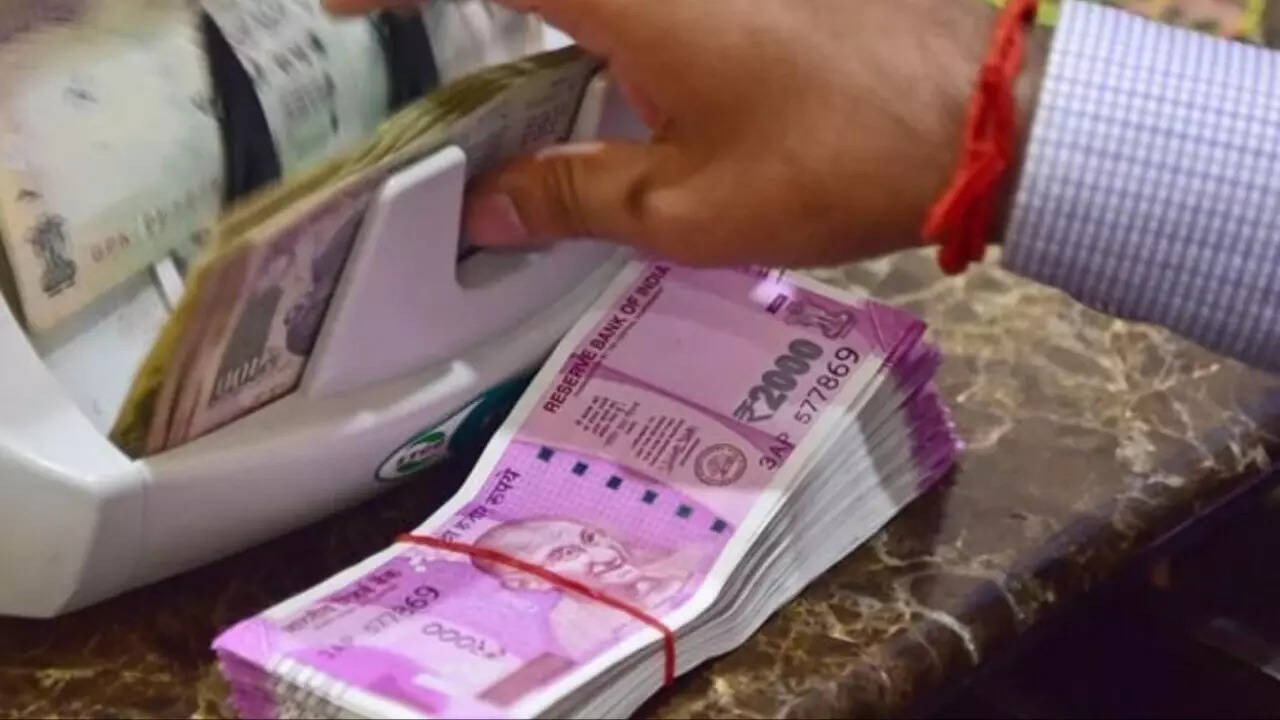
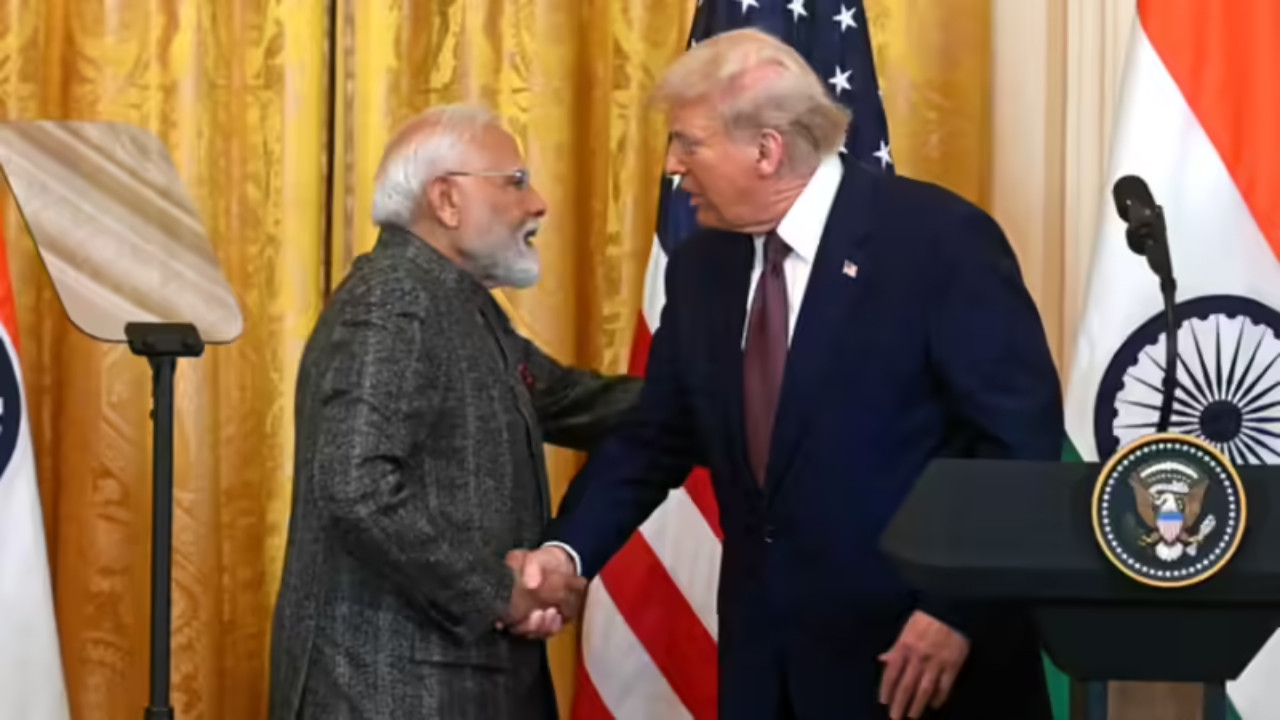
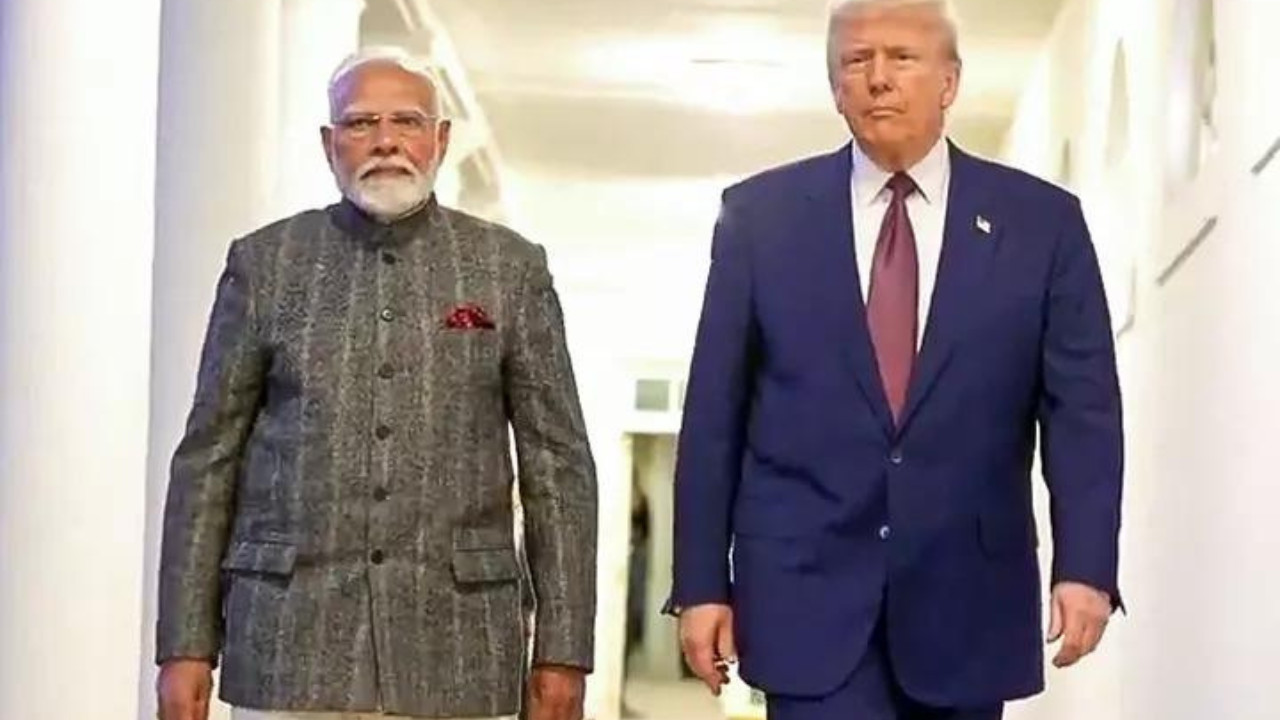
Prime Minister Modi, addressing his constituency, emphasized prioritizing farmers’ welfare, small industries, and youth employment amid global economic instability. He urged citizens to embrace ‘swadeshi’ products and support local businesses, highlighting India’s economic resilience and commitment to its interests. Modi also transferred Rs 20,500 crore to farmers under the PM-KISAN scheme, reaffirming his government’s dedication to agriculture.
India’s Balancing Act: Navigating Global Trade Winds While Bolstering Local Strength
The air in Delhi crackled with anticipation as Prime Minister Modi addressed the nation recently, a speech laced with reassurance and a clear vision for India’s economic future. While shadows of potential trade friction, reminiscent of the Trump-era tariff threats, loom on the horizon, the message was resolute: India will stand tall, protecting its farmers, MSMEs, and youth – the very backbone of its burgeoning economy.
The global landscape is, let’s face it, a bit turbulent right now. Trade wars, geopolitical tensions, and fluctuating markets create a constant need for agile policy and strategic foresight. Modi’s address wasn’t just a political statement; it was a declaration of intent. India isn’t merely reacting to global pressures; it’s proactively shaping its own destiny.
Protecting the Pillars: Farmers, MSMEs, and Youth
The Prime Minister’s focus on farmers, MSMEs (Micro, Small & Medium Enterprises), and youth is no accident. These sectors are intrinsically linked to India’s socio-economic fabric.
Farmers: They are the annadaata*, the providers of sustenance. The government’s commitment translates to ensuring fair prices for their produce, access to modern technology, and robust irrigation facilities. This isn’t just about agriculture; it’s about food security and the well-being of millions of families.
* MSMEs: These enterprises are the engines of job creation and innovation. By fostering a supportive ecosystem with easier access to credit, streamlined regulations, and technological upgrades, the government aims to empower these businesses to compete on a global scale. India’s growth story hinges on the dynamism and resilience of its MSMEs.

Youth: India’s demographic dividend is its youthful population. Investing in their skills, providing quality education, and creating ample employment opportunities are paramount. The focus is on equipping them with the tools to not only thrive in the current job market but also to become entrepreneurs and innovators of the future. The image below shows the focus that the Indian government has placed on Skilling the youth*.
“`html

“`
A Shield Against Trade Tensions
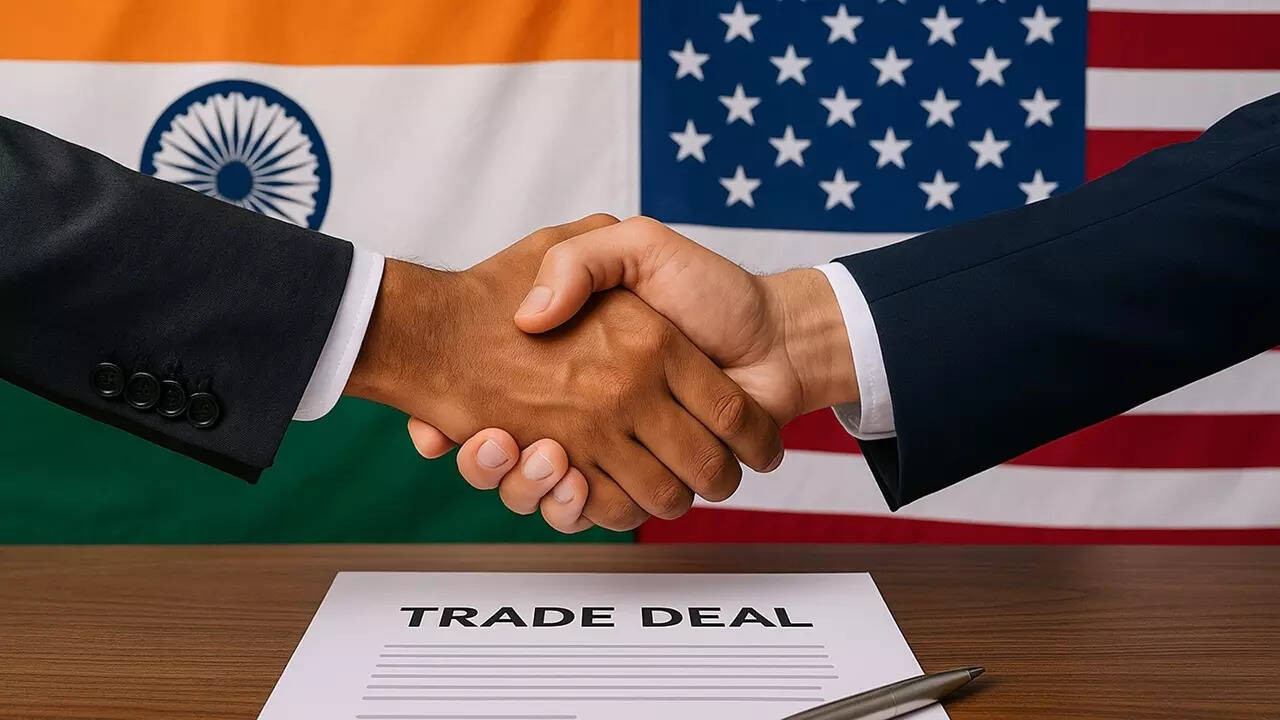
The shadow of potential tariffs, particularly echoing concerns from the Trump era, naturally raises questions about India’s trade strategy. The Prime Minister’s speech subtly but firmly addressed these anxieties. While advocating for free and fair trade practices, the emphasis was on building resilience within the domestic economy. This involves strengthening domestic manufacturing, promoting exports, and diversifying trade partnerships. It is about building self-reliance without isolating from global commerce.
Think of it as building a strong home. You welcome visitors, engage in trade, but you also ensure your foundation is solid and your walls are strong enough to weather any storm. India’s economic strategy seems to mirror this sentiment. Initiatives like “Make in India” and “Atmanirbhar Bharat” (Self-Reliant India) are designed to bolster domestic capabilities, reducing over-reliance on any single trade partner and enhancing competitiveness.
The Road Ahead: Opportunities and Challenges
The commitment to protect farmers, MSMEs and youth underscores a broader vision for inclusive and sustainable growth. However, turning this vision into reality requires addressing several key challenges. Infrastructure development is critical to ensure efficient supply chains and seamless connectivity. Skill development programs need to be aligned with industry needs, ensuring that the youth are job-ready. And perhaps most importantly, fostering a culture of innovation and entrepreneurship is essential to unlock the full potential of India’s economy.

Moreover, navigating the complexities of international trade requires adept diplomacy and strategic partnerships. Diversifying export markets, negotiating favorable trade agreements, and proactively addressing trade disputes are crucial to safeguard India’s economic interests. As an example of navigating these complexities, consider the ongoing discussions surrounding digital trade and data localization policies.
As India strives to balance global engagement with domestic resilience, the focus will remain on empowering its citizens and building a strong, self-reliant economy. The pledge to protect farmers, MSMEs, and youth isn’t just a promise, it is an investment in India’s future. It’s a bet on the ingenuity, resilience, and determination of its people. The true test, however, lies in the implementation of these policies and the ability to adapt to the ever-changing global economic landscape. Learn more about the Indian Economy and its growth potential on our website.
In conclusion, India’s path forward involves a delicate balancing act – embracing global opportunities while safeguarding its domestic interests. The government’s commitment to its farmers, MSMEs, and youth highlights a strategic focus on inclusive growth and economic resilience, positioning India to navigate future trade uncertainties and emerge stronger on the global stage. The key to success lies in effective policy implementation and fostering a culture of innovation and adaptability.