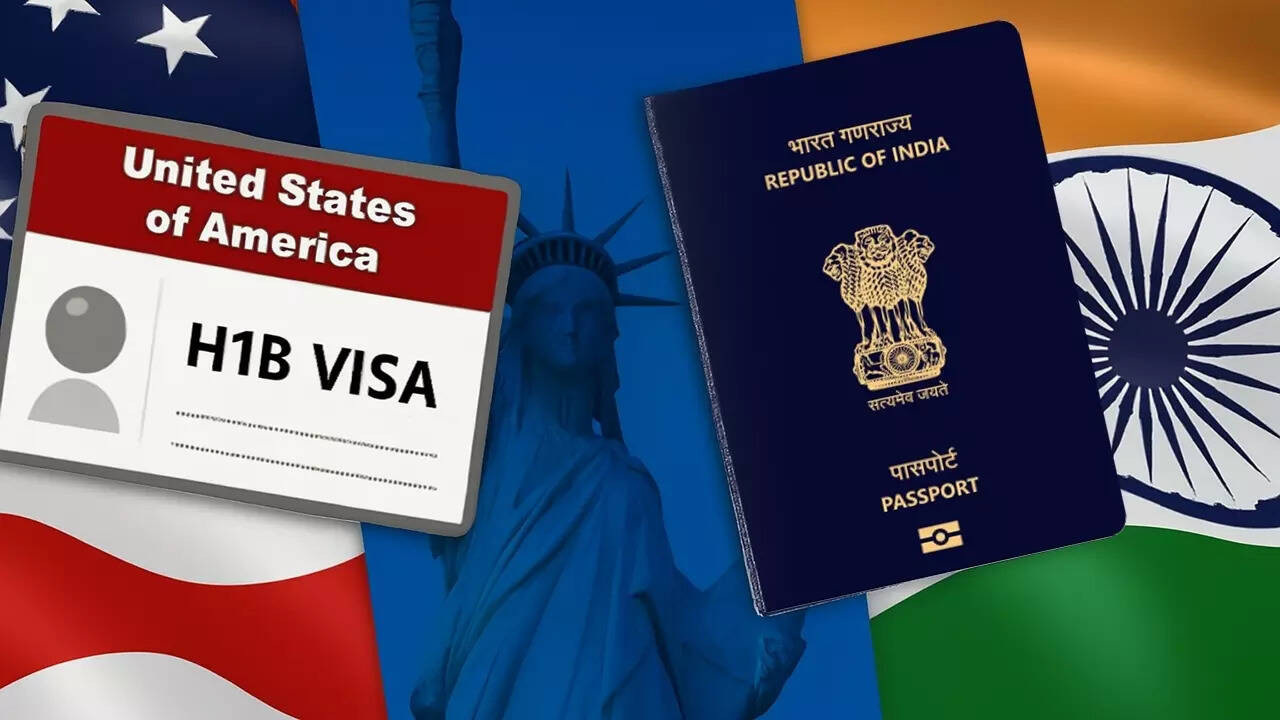
Indian students in the US face job rejections due to a significant H-1B visa fee hike by the Trump administration, impacting their career prospects. Companies are increasingly hesitant to sponsor, leading to a sharp decline in available positions for international graduates.
The H-1B Squeeze: Are International Students Losing Out?
The American dream, for many international students, starts with an H-1B visa. It’s the golden ticket to transitioning from academic life to professional contribution, a chance to apply hard-earned skills and build a career in the US. But recent changes are leaving many Indian students, fresh out of university and eager to launch their careers, feeling more like they’ve been slammed with a harsh dose of reality.
For years, the H-1B visa program has been a pathway for skilled workers, particularly in the tech sector, to fill roles that companies struggle to find domestic talent for. Indian students, known for their strong academic backgrounds and work ethic, have consistently been a significant part of the applicant pool. However, the path to obtaining this coveted visa is becoming increasingly treacherous, with reports suggesting that even applications with fees paid are facing automatic rejection. This sudden shift has triggered understandable anxiety and confusion, leaving many wondering what the future holds.
Paying the Price, Facing Rejection: What’s Going On?
Imagine this: you’ve spent years studying, excelling in your field, and securing a job offer. You carefully prepare your H-1B application, diligently pay the hefty $100,000+ fee (often footed by the sponsoring company), and then…silence. Or worse, an immediate rejection. This is the disturbing reality many Indian students are now facing. While the exact reasons for this alleged surge in automatic rejections are still murky, the impact is crystal clear: dreams are being deferred, careers are being put on hold, and the feeling of being unfairly targeted is palpable.


The complexities surrounding the H-1B visa lottery are nothing new. The demand for these visas far outweighs the available supply, resulting in a lottery system that, by its very nature, leaves many qualified candidates disappointed. But this apparent rise in rejections before the lottery even takes place adds a new layer of frustration. Some suspect stricter interpretations of eligibility criteria or increased scrutiny of sponsoring companies might be at play. Others fear the automatic rejections have to do with potential increased fees under consideration by the Department of Homeland Security. Whatever the cause, the lack of transparency only amplifies the uncertainty.
Job Hunting in Limbo: The Ripple Effect of H-1B Visa Rejections
The impact of these rejections extends beyond individual students. US companies that rely on this talent pool are also feeling the pressure. The inability to secure visas for qualified candidates can disrupt projects, hinder innovation, and ultimately impact competitiveness. Startups and smaller businesses, in particular, often rely on the H-1B visa program to access specialized skills they can’t find locally. For them, the recent rejections are not just a bureaucratic headache; they are a significant threat to their growth and survival.
Furthermore, the negative perception created by these challenges could deter future international students from choosing US universities. Why invest time and money in an education if the pathway to a career is fraught with uncertainty and potential roadblocks? The US has long benefited from the intellectual capital and diverse perspectives that international students bring. Losing this influx of talent would be a significant loss, potentially impacting its position as a global leader in innovation and research.

Students are not entirely without options. Consulting with immigration lawyers is essential to understanding the specifics of individual cases and exploring alternative visa options. Some may consider pursuing advanced degrees to improve their chances in future H-1B lotteries, while others might explore opportunities in other countries with more welcoming immigration policies. Students can also explore companies that have a proven track record with H-1B visa sponsorships. Learn more about [Navigating your STEM OPT Extension](internal-link-to-stem-opt-article).
A Call for Clarity and Fairness
The current situation demands greater transparency and clarity from the relevant authorities. Students deserve a fair chance to compete for H-1B visas, and companies need assurance that the system is predictable and reliable. Open communication about the reasons behind the increased rejections is crucial to restoring confidence and ensuring that the H-1B visa program continues to serve its intended purpose: attracting and retaining the best and brightest talent from around the world. The potential ramifications of continued uncertainty for these students are significant, and the entire technology industry will feel the shockwaves. Addressing the current problems effectively is not just a matter of policy; it’s a matter of ensuring the future of innovation and competitiveness in the United States.