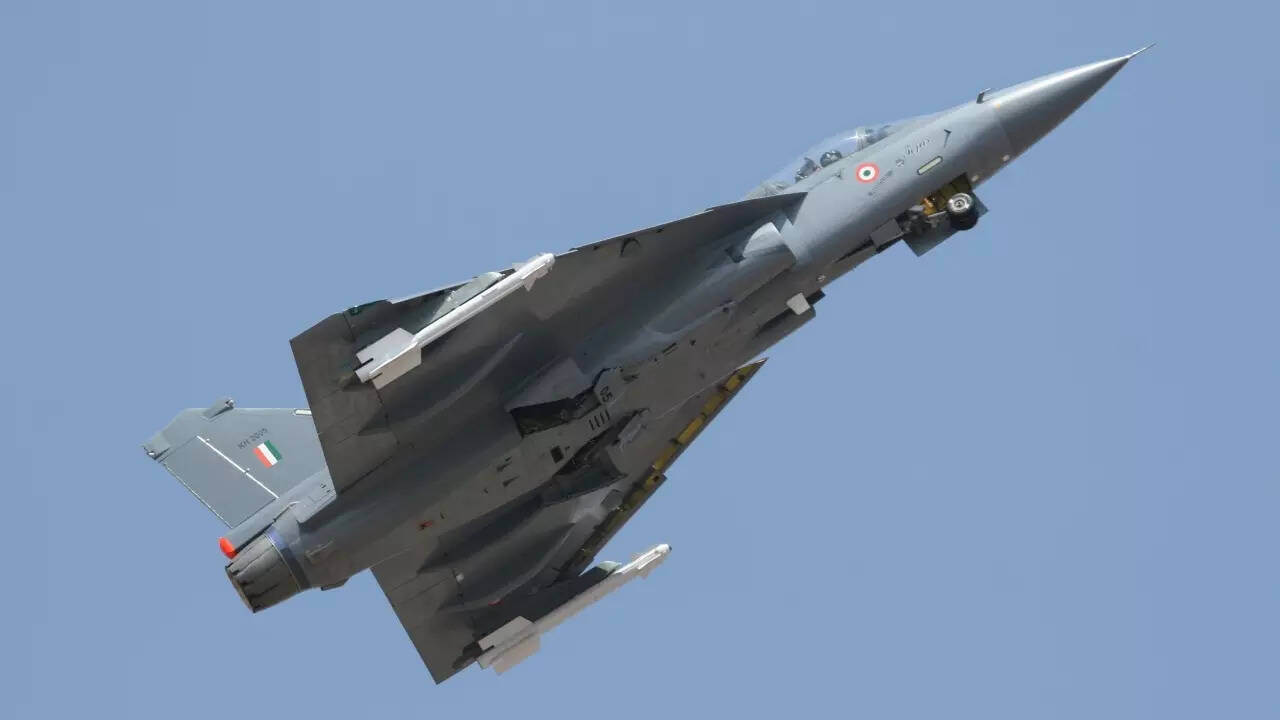
India has approved the acquisition of 97 LCA Mark 1A fighter aircraft for the Indian Air Force, boosting the ‘Make in India’ initiative. This follows an earlier order of 83 aircraft and aims to replace the MiG-21 fleet.
India’s Skies Prepare for a Homegrown Revolution: The LCA Tejas Takes Flight
The roar of the engines, the glint of sunlight off polished metal – it’s a sound and a sight that speaks of strength, of innovation, and of national pride. And soon, that sound will be amplified across India’s airfields as the Indian Air Force (IAF) prepares to welcome 97 new Light Combat Aircraft (LCA) Mark 1A Tejas fighter jets. This isn’t just another procurement; it’s a giant leap for India’s self-reliance in defense and a powerful endorsement of the “Make in India” initiative.
For years, India has navigated the complex world of defense acquisitions, often relying on foreign suppliers for its military hardware. While strategic partnerships remain crucial, the LCA Tejas project represents a paradigm shift. It’s about building capacity, fostering indigenous talent, and ultimately, controlling our own destiny when it comes to national security. The decision to induct nearly 100 of these advanced aircraft speaks volumes about the IAF’s confidence in the capabilities of the Tejas and the progress made by the Hindustan Aeronautics Limited (HAL), the state-owned aerospace and defense company spearheading the project.
Why the LCA Tejas Mark 1A is a Game Changer
So, what makes the LCA Tejas Mark 1A such a significant addition to the IAF’s arsenal? It’s more than just a fighter jet; it’s a symbol of India’s technological prowess. The Mark 1A variant boasts several advanced features that enhance its combat effectiveness. Think of advanced electronic warfare suites, active electronically scanned array (AESA) radar for superior detection and tracking, and beyond-visual-range (BVR) missile capabilities. These improvements translate to a more agile, versatile, and lethal platform capable of taking on a wide range of aerial threats. The avionics systems are cutting-edge, giving pilots a significant advantage in situational awareness and decision-making.

But the significance goes beyond just the technical specifications. This order provides a massive boost to the Indian aerospace industry. It secures jobs, encourages further investment in research and development, and builds a robust ecosystem of suppliers and manufacturers. The “Make in India” ethos is not just about assembling components; it’s about designing, developing, and producing world-class military equipment within India, by Indian engineers and technicians. This creates a virtuous cycle of innovation and growth, strengthening the nation’s overall economy.

The Long Road to Self-Reliance: The Journey of the Tejas
The development of the LCA Tejas has been a journey of perseverance, facing numerous challenges and setbacks along the way. From initial design hurdles to technological complexities and funding constraints, the project has weathered many storms. But the unwavering commitment of scientists, engineers, and policymakers has kept the dream alive. The successful induction of the LCA Tejas Mark 1A is a testament to their dedication and a reward for their hard work.
This order represents a significant upgrade over the earlier Mark 1 version. The IAF already operates a squadron of Mark 1 Tejas aircraft, providing valuable operational experience and feedback that has been incorporated into the design of the Mark 1A. This iterative approach to development, constantly refining and improving the aircraft based on real-world performance, is a key to ensuring its long-term success. This incremental process is discussed further in our article examining advancements in Indian defense technology.

What This Means for India’s Defense Posture
The induction of 97 new LCA Tejas Mark 1A fighters significantly strengthens India’s defense capabilities. It provides the IAF with a modern, capable platform to protect its airspace and project power in the region. The Tejas will complement the IAF’s existing fleet of fighter jets, adding to its overall strength and versatility. Furthermore, it sends a clear message to the world that India is serious about building a self-reliant defense industry and is capable of producing world-class military equipment.
The move underscores a broader strategic shift towards greater indigenization in defense. It reduces India’s dependence on foreign suppliers, enhances its strategic autonomy, and strengthens its position as a major player in the global arena. As the Tejas program continues to evolve, with further advancements planned for the Mark 2 variant and beyond, India is well on its way to achieving its goal of becoming a self-reliant defense powerhouse.
In conclusion, the IAF’s acquisition of 97 LCA Tejas Mark 1A fighter jets is a landmark achievement for India’s defense industry and a significant boost to the nation’s security. It’s a powerful demonstration of the “Make in India” initiative’s success and a testament to the talent and ingenuity of Indian engineers and scientists. The skies are now set for an indigenous revolution, with the LCA Tejas leading the charge.