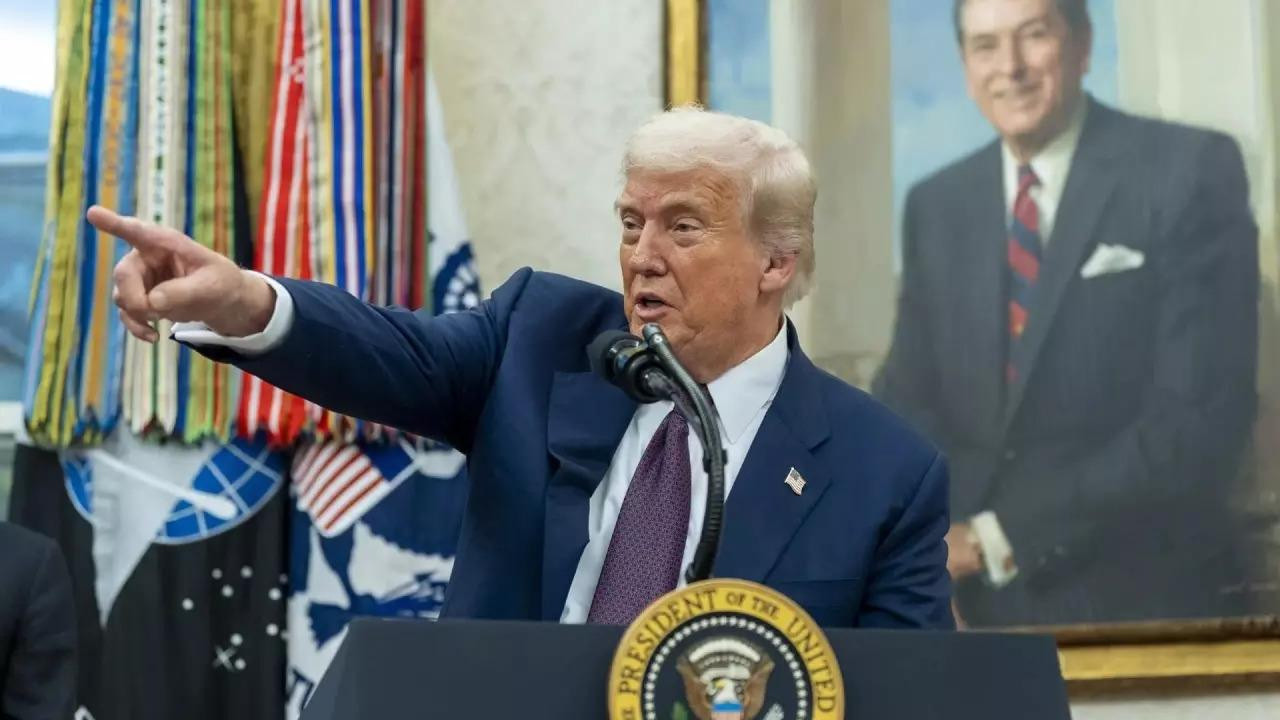
Dalal Street plunged this week, with over 440 BSE 500 stocks in red, following US President Trump’s H-1B visa fee hike and new medicine tariffs. The BSE 500 dropped 3.3%, led by IT and pharma sector losses. While Coforge and Tech Mahindra saw significant declines, 44 stocks, including Tata Investment Corporation, defied the gloom.
When the Market Catches a Cold: Understanding the Recent Stock Market Dip
The air crackled with uncertainty. You could practically taste the nervousness on Dalal Street. It wasn’t just a minor tremor; it was a full-blown quake that sent shivers down the spines of investors across India. The Bombay Stock Exchange (BSE) witnessed a sea of red as a staggering 440 out of the 500 stocks listed on the BSE 500 index took a tumble. What triggered this sudden downturn, and what does it mean for the future?
One of the primary catalysts seemed to originate across the globe, specifically with comments made by former President Donald Trump. His stance on tariffs, particularly the threat of imposing significant tariffs on all imported goods, sent ripples of apprehension through international markets. This protectionist rhetoric, while aimed at boosting domestic industries in the US, carries the potential to disrupt global trade and hurt companies relying on international supply chains and exports.
The Indian stock market, deeply intertwined with the global economy, felt the immediate impact. Investors, always wary of uncertainty, reacted swiftly, initiating a widespread sell-off. The fear? That higher tariffs could stifle economic growth, reduce corporate earnings, and ultimately diminish the value of their investments.


But Trump’s tariff pronouncements weren’t the only weight dragging the market down. Rising bond yields in the US also played a significant role. Higher yields make bonds more attractive to investors, drawing capital away from riskier assets like stocks, especially in emerging markets. This capital outflow from India further exacerbated the downward pressure on stock prices.
Adding fuel to the fire were concerns about the upcoming Indian general election. Political uncertainty, regardless of the country, often creates volatility in the stock market. Investors tend to adopt a “wait-and-see” approach until the political landscape becomes clearer, leading to selling pressure as they reduce their exposure. The potential for policy changes following the election only adds to the anxiety.
It’s crucial to remember that stock market dips are a natural part of the economic cycle. Volatility is inherent in the market, and periods of decline are often followed by periods of recovery. Panic selling, driven by fear, can often lead to investors making hasty decisions that ultimately harm their portfolios.
Instead of succumbing to panic, a more prudent approach is to view such downturns as potential opportunities. While it’s impossible to predict the bottom of the market, a well-diversified portfolio and a long-term investment strategy can help weather these storms. Consider revisiting your asset allocation and rebalancing your portfolio if necessary.
Moreover, doing your homework is paramount. Understanding the underlying fundamentals of the companies you invest in can provide a sense of reassurance during times of market stress. Are the companies fundamentally sound, with strong financials and growth prospects? If so, a temporary dip in their stock price may present a buying opportunity.

However, it’s equally important to acknowledge that not all companies will weather the storm equally well. Some sectors may be more vulnerable to tariffs or rising interest rates than others. Diversification across sectors can mitigate the risk associated with sector-specific downturns. Learn more about [responsible investment strategies here.](link-to-related-article)
The recent bloodbath on Dalal Street serves as a stark reminder of the interconnectedness of the global economy and the inherent volatility of the stock market. While external factors like US tariffs and rising bond yields certainly contributed to the decline, internal factors such as political uncertainty also played a role. The key takeaway for investors is to remain calm, avoid panic selling, and focus on a long-term investment strategy grounded in sound fundamentals. This stock market dip, while concerning, also represents a chance to reassess your portfolio and potentially capitalize on opportunities as the market eventually recovers.