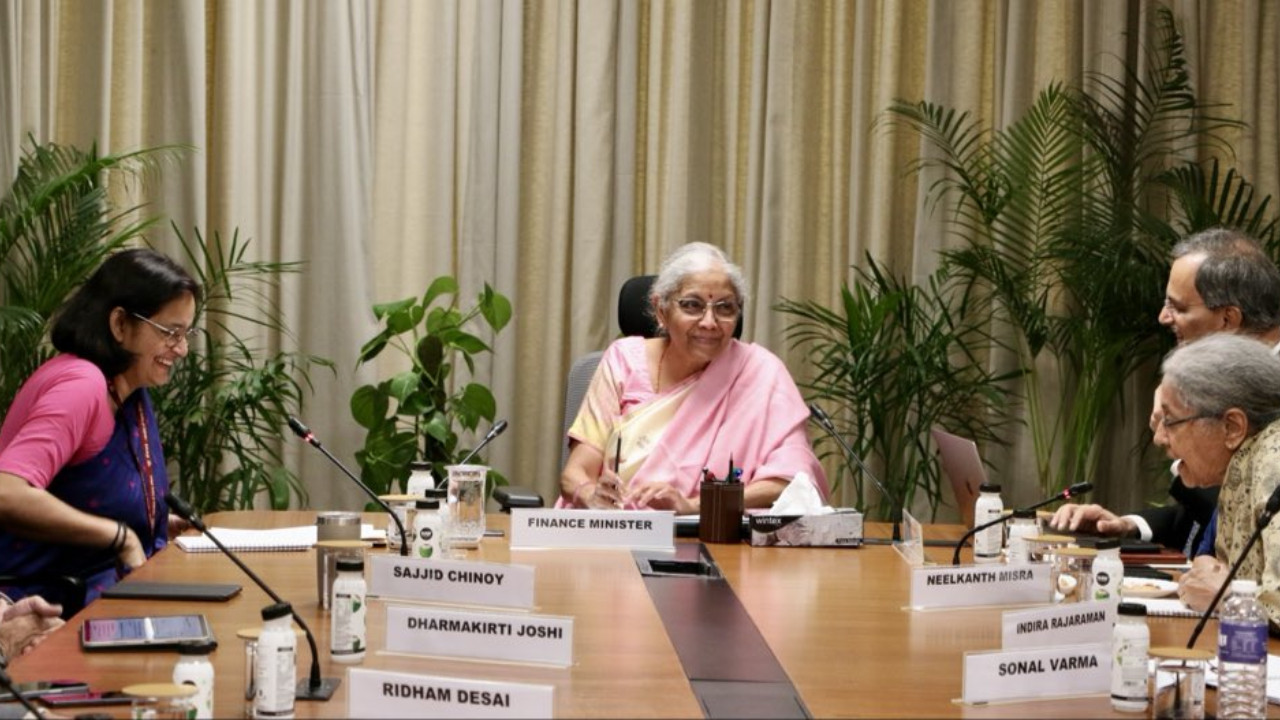
Finance Minister Nirmala Sitharaman commenced pre-Budget consultations for the 2026-27 fiscal year, engaging with leading economists and agricultural stakeholders. These crucial discussions aim to incorporate diverse feedback and sectoral insights into the upcoming budget. Industry bodies have already proposed tax reforms and manufacturing incentives, setting the stage for Sitharaman’s February 1st presentation.
Decoding India’s Economic Blueprint: Early Whispers from Budget 2026
The air in Delhi is already buzzing with anticipation. While we’re still some distance from the formal presentation, the initial conversations surrounding Budget 2026 have commenced, spearheaded by Finance Minister Nirmala Sitharaman. These aren’t just routine meetings; they’re the foundational discussions that will shape the economic landscape of India for years to come. The spotlight, as anticipated, is firmly fixed on tax reforms and bolstering the nation’s manufacturing prowess. But what exactly does this mean for the average citizen and the business community? Let’s delve into the nuances.
Tax Reform Takes Center Stage
Taxation, a topic that often evokes a mix of anxiety and hope, is naturally high on the agenda. Sources suggest that the government is keenly examining ways to simplify the tax structure, making it more transparent and efficient. This isn’t just about tweaking rates; it’s about fundamentally rethinking how India collects revenue. The goal is to foster greater compliance by removing complexities and reducing the burden on taxpayers.
One area under scrutiny is the Goods and Services Tax (GST). While GST has been a game-changer in unifying the Indian market, there’s room for improvement. Streamlining the rate structure and addressing persistent challenges faced by small and medium-sized enterprises (SMEs) are crucial for unlocking its full potential. Could we see a reduction in the number of GST slabs or a more simplified return filing process? It’s certainly within the realm of possibility.
Beyond GST, discussions are likely to touch upon direct taxes. Incentivizing savings and investments, perhaps through modifications to existing deductions or the introduction of new tax-saving instruments, could be on the cards. The aim is to encourage responsible financial behavior and channel funds into productive sectors of the economy.


Powering the Manufacturing Engine
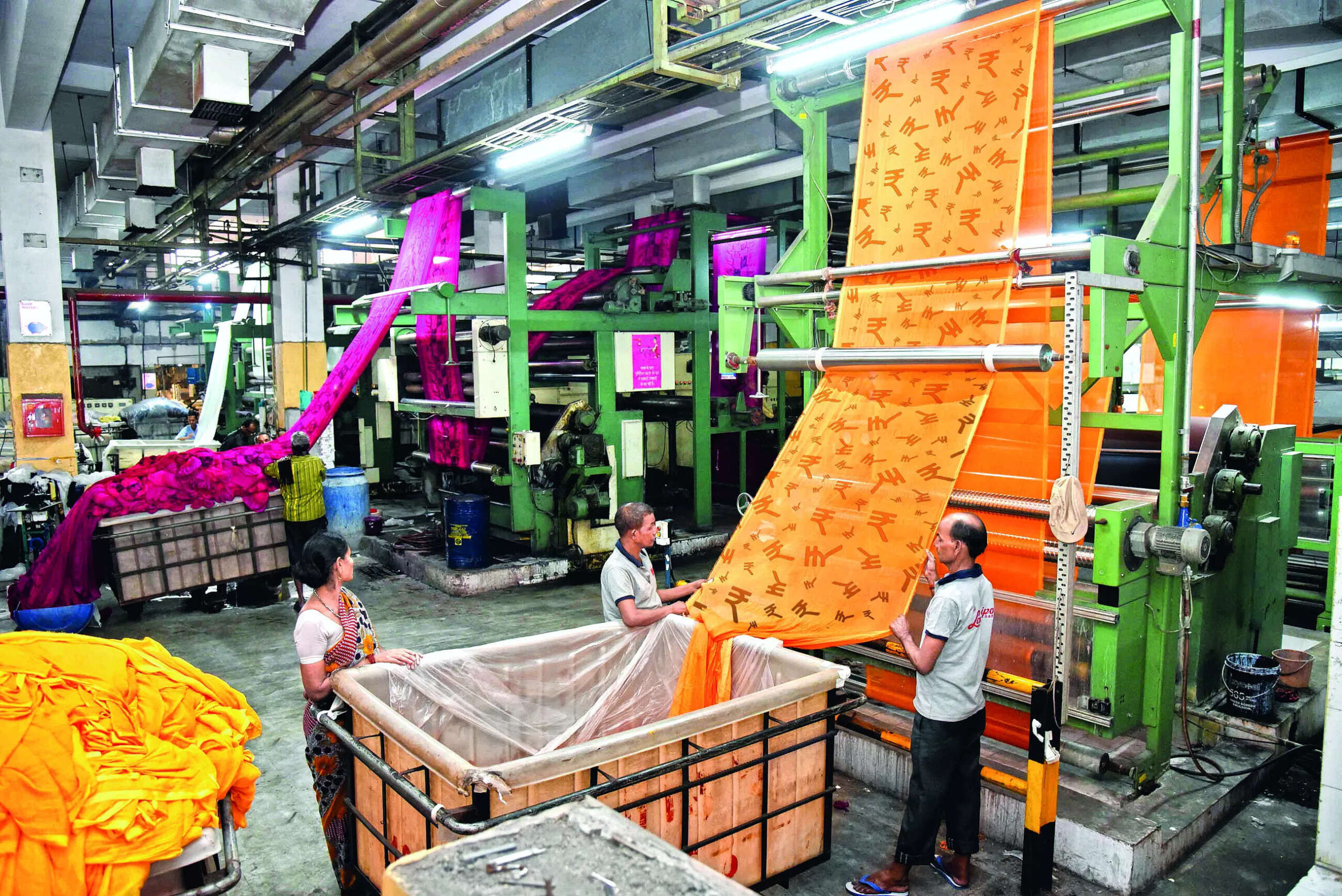
“Make in India” has been more than just a slogan; it’s become a national mission. Budget 2026 is expected to further fuel this ambition by providing targeted support to the manufacturing sector. This could involve a multi-pronged approach, encompassing infrastructure development, skill enhancement, and policy reforms.
One key area of focus is likely to be attracting foreign direct investment (FDI) into manufacturing. India needs to position itself as a compelling alternative to other manufacturing hubs, and this requires creating a business-friendly environment. Streamlining regulatory processes, reducing bureaucratic hurdles, and offering attractive incentives are essential ingredients for success.
Another critical aspect is strengthening the domestic manufacturing ecosystem. This involves supporting local suppliers, promoting technology adoption, and fostering innovation. The government may consider extending production-linked incentive (PLI) schemes to new sectors or increasing the incentives for existing ones. This could encourage companies to invest in expanding their manufacturing capacity and enhancing their competitiveness. The goal is to create a self-reliant and globally competitive manufacturing base.
For more insights into how India is fostering innovation, check out our article on [India’s Startup Ecosystem](internal-link-to-related-content).
Navigating Global Economic Winds
The pre-budget consultations are also taking place against a backdrop of global economic uncertainty. Geopolitical tensions, inflationary pressures, and supply chain disruptions are creating headwinds that could impact India’s growth trajectory. Budget 2026 will need to address these challenges head-on by adopting a prudent and proactive approach.

This could involve prioritizing fiscal discipline, managing inflation expectations, and diversifying trade relationships. The government may also need to strengthen its social safety nets to protect vulnerable sections of the population from economic shocks. Resilience is the name of the game in today’s volatile global environment.
Looking Ahead: What to Expect from Budget 2026
While the specifics of Budget 2026 remain under wraps, the early signals suggest a strong emphasis on tax reform, manufacturing growth, and economic resilience. The government appears committed to creating a stable and predictable policy environment that encourages investment, innovation, and job creation. The hope is that the budget will not only address the immediate challenges facing the economy but also lay the foundation for long-term sustainable growth. The emphasis on tax reforms and strategies to boost Budget 2026 should help the manufacturing sector points toward a forward-thinking and optimistic approach.