The Seamless Tube Manufacturers’ Association of India (STMAI) has urged the government to implement a 10% production-linked incentive on exports and increase customs duty on seamless pipe imports to 20%. This call comes amid a significant surge in imports from China, which are undercutting domestic producers and impacting capacity utilization.
Will “Make in India” Extend to Seamless Pipes? Why the Industry is Pushing for PLI
India’s economic narrative is increasingly woven with threads of self-reliance and export prowess. But achieving true global competitiveness requires more than just ambition; it demands strategic support for key industries. The Steel Tubes Manufacturers Association of India (STMAI) is currently advocating for precisely that, making a strong case for the inclusion of seamless pipes under the government’s Production Linked Incentive (PLI) scheme and a recalibration of customs duties. But why seamless pipes, and why now?
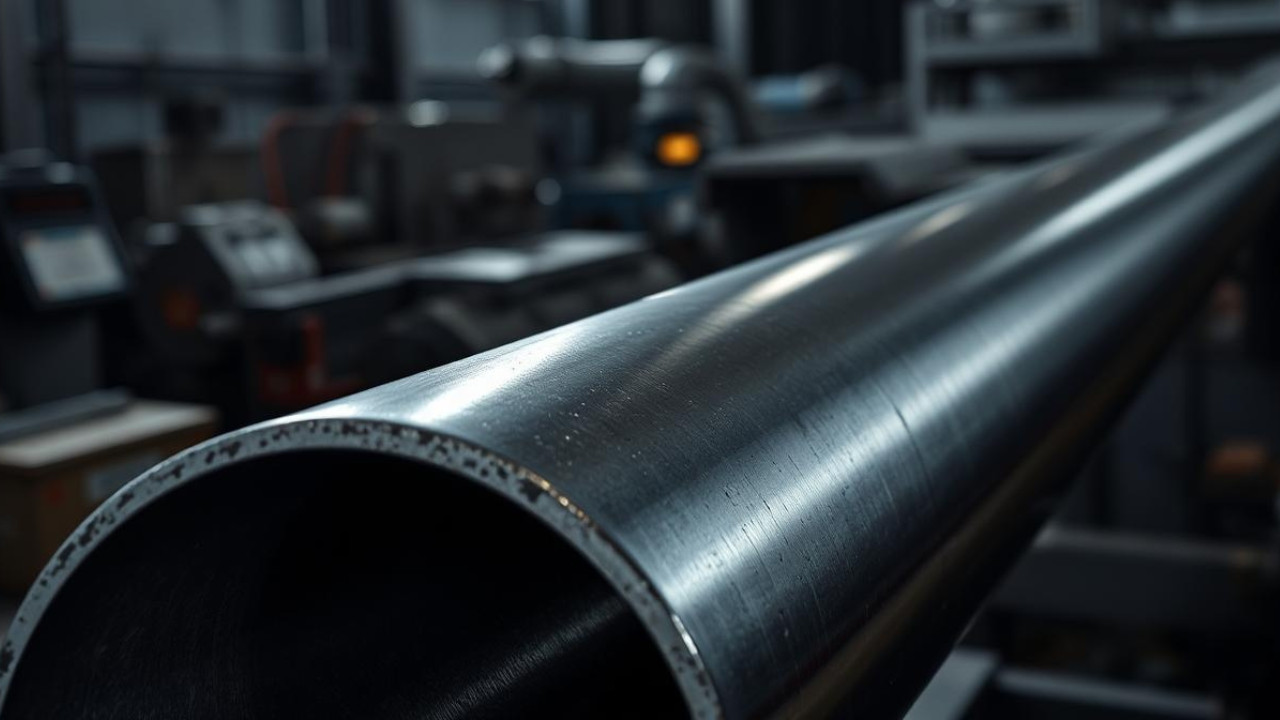
Seamless pipes, unlike their welded counterparts, boast superior strength and durability due to their manufacturing process – a single piece of steel molded into a hollow tube. This makes them indispensable across critical sectors like oil & gas exploration, power generation, and even specialized engineering applications. Think deep-sea pipelines, high-pressure boilers, and vital components in refineries. India currently relies heavily on imports to satisfy the demand for high-grade seamless pipes, a situation STMAI believes can be significantly improved with the right incentives.
Leveling the Playing Field: The Call for a PLI Scheme
The PLI scheme, designed to boost domestic manufacturing and attract investments, has already proven successful in various sectors. STMAI argues that extending this scheme to seamless pipes would create a level playing field, empowering domestic manufacturers to compete effectively with international players. The lure of financial incentives tied to increased production would undoubtedly spur investments in modernizing existing facilities and establishing new ones, leading to enhanced production capacity and technological advancements within the Indian steel industry.

Imagine a scenario where Indian companies can readily supply the domestic market with high-quality seamless pipes, reducing our reliance on imports and bolstering national security. The PLI scheme would not only achieve this but also create numerous jobs, stimulate economic growth in ancillary industries, and position India as a reliable exporter of these critical components.
Beyond Production: Addressing the Import Imbalance
While boosting domestic production is crucial, STMAI also highlights the need to address the existing import dynamics. The association is advocating for a hike in customs duties on imported seamless pipes, arguing that the current rates do not adequately protect domestic manufacturers from unfair competition, particularly from countries that may be subsidizing their own steel industries.
Think of it as nurturing a sapling. While providing it with the right nutrients (PLI scheme) is essential for growth, shielding it from harsh weather (unfair import practices) is equally important. Higher customs duties would discourage the dumping of cheap imports, allowing Indian manufacturers to operate on a more equitable footing and invest in long-term growth. This doesn’t mean isolating the Indian market; rather, it’s about creating a competitive environment that fosters innovation and efficiency.
Why This Matters for the Indian Economy
The implications of STMAI’s proposals extend far beyond the steel industry itself. A thriving domestic seamless pipe sector translates to lower infrastructure costs for critical projects, reduced dependence on foreign suppliers, and increased export earnings. This, in turn, contributes to a stronger national economy and a more resilient industrial base. Moreover, increased domestic production aligns perfectly with the government’s “Make in India” initiative, showcasing India’s capabilities on the global stage. This initiative is also crucial to the growth of other aspects of manufacturing like specialized fasteners, which are discussed here.

The Budget 2026 presents a significant opportunity to address these challenges and unlock the full potential of the Indian seamless pipe industry. By incorporating STMAI’s recommendations, the government can create a virtuous cycle of investment, innovation, and growth, further solidifying India’s position as a global economic powerhouse.
Conclusion: A Strategic Investment in India’s Future
The STMAI’s call for a PLI scheme and adjusted customs duties is more than just a plea for industry support; it’s a strategic proposal to strengthen India’s manufacturing capabilities, reduce import dependence, and boost economic growth. By investing in the domestic seamless pipe sector, India can pave the way for a more self-reliant and competitive future. Whether or not this vision materializes depends on the policy decisions made in the upcoming budget. The industry, and indeed the nation, will be watching closely.