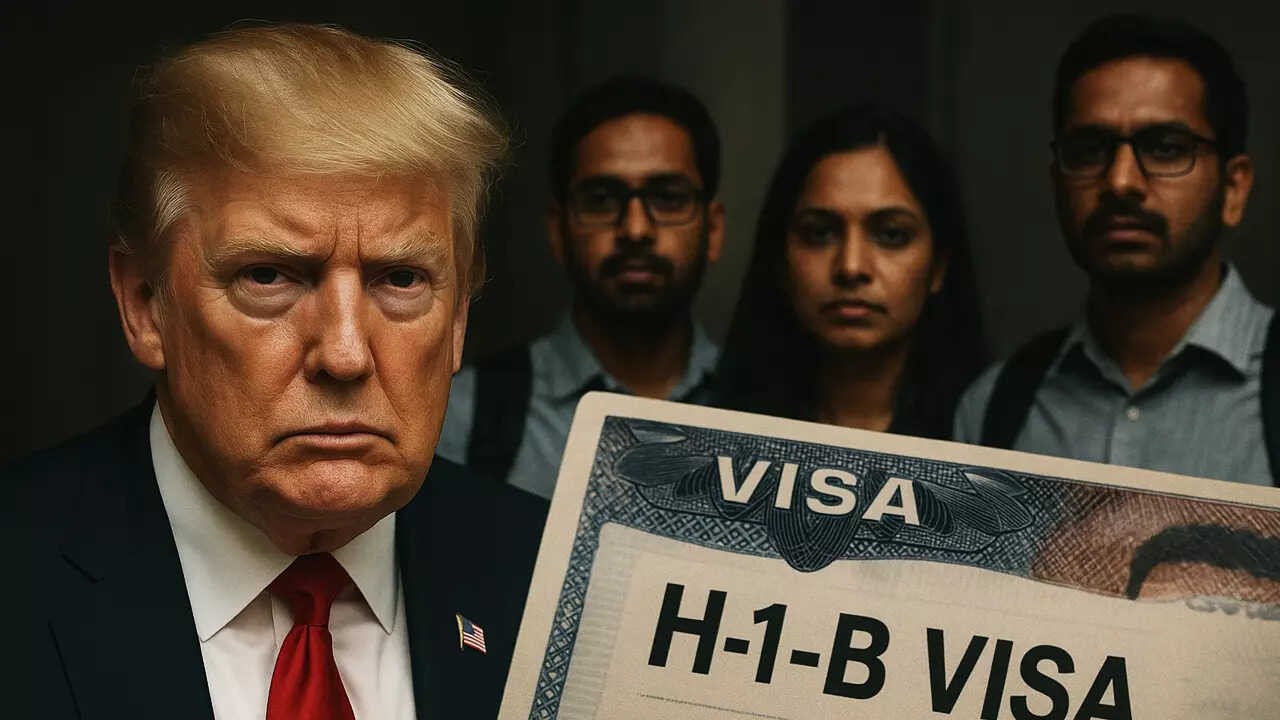
A National Foundation for American Policy report argues that H-1B visa restrictions, including a new $100,000 fee, are counterproductive. The report highlights that H-1B holders are highly skilled professionals earning substantial salaries, not cheap labor, and that limiting these visas could drive jobs and innovation abroad.
The Real Story Behind H-1B Visas: More Than Just a “Cheap Labor” Debate
The H-1B visa. Just the name conjures up a whirlwind of opinions, particularly in the United States. For years, it’s been a political football, tossed around with claims and counter-claims that often obscure the reality. One of the most persistent narratives? That H-1B visa holders are simply a source of cheap labor, undercutting American workers and depressing wages. But is that really the case? Let’s dive into the facts and unpack this complex issue.
The idea that H-1B workers are a drain on the US economy simply doesn’t hold water when you look at the data. The truth is far more nuanced. These are often highly skilled professionals filling crucial roles in industries facing significant talent shortages, particularly in STEM fields. Think software engineers, data scientists, researchers – roles vital to American innovation and global competitiveness.
Beyond the “Cheap Labor” Myth: The Value Proposition
The argument that H-1B visa holders are a source of inexpensive labor is easily debunked when examining prevailing wage data. Companies sponsoring these visas are required to pay prevailing wages, determined by the Department of Labor based on experience, education, and job responsibilities within a specific geographic area. In many cases, these wages are higher than the median salary for similar positions. Why? Because companies are actively competing for top talent on a global scale.
It’s also important to consider the broader economic impact. Foreign workers contribute significantly to the US economy through taxes, spending, and, critically, innovation. They bring fresh perspectives, specialized skills, and a drive to contribute to their adopted country. By filling critical skills gaps, H-1B visa holders enable companies to expand, innovate, and create even more jobs for American workers. It’s a symbiotic relationship, not a zero-sum game.


Why US Companies Rely on H-1B Visas
The reliance on H-1B visas isn’t about finding the cheapest option; it’s about addressing critical skills gaps within the US workforce. Certain sectors, like technology and healthcare, are experiencing rapid growth and innovation. The demand for specialized talent often outstrips the available supply of qualified American workers.
Think about it: developing cutting-edge AI algorithms, pioneering new medical treatments, designing the next generation of renewable energy solutions – these are all areas where specialized skills are paramount. By tapping into the global talent pool through the H-1B visa program, US companies can maintain their competitive edge and drive future economic growth. Without access to this talent, American innovation would undoubtedly suffer.
This isn’t to say there aren’t challenges. There are valid concerns about ensuring fair labor practices and preventing exploitation. But these issues are distinct from the fundamental argument that H-1B visa holders are inherently underpaid or detrimental to the American workforce. Strengthening oversight and enforcement mechanisms is crucial, but dismantling the program entirely would be a drastic overreaction with significant consequences.
The Future of H-1B: Navigating a Changing Landscape
The H-1B visa program is constantly under scrutiny and subject to potential reforms. Recent years have seen increased application scrutiny, higher denial rates, and more stringent requirements. It’s a dynamic situation that businesses and individuals alike need to navigate carefully.

Looking ahead, the focus should be on optimizing the program to better serve the needs of both US companies and foreign workers. This includes streamlining the application process, increasing transparency, and ensuring that the program remains a valuable tool for attracting and retaining top global talent. Internal link to more information about U.S. work visas.
The narrative surrounding the H-1B visa program needs to shift from simplistic claims of “cheap labor” to a more nuanced understanding of its true economic impact and the vital role these skilled professionals play in driving innovation and growth in the United States. By embracing facts and evidence-based analysis, we can move toward a more informed and productive discussion about the future of immigration and the American workforce.