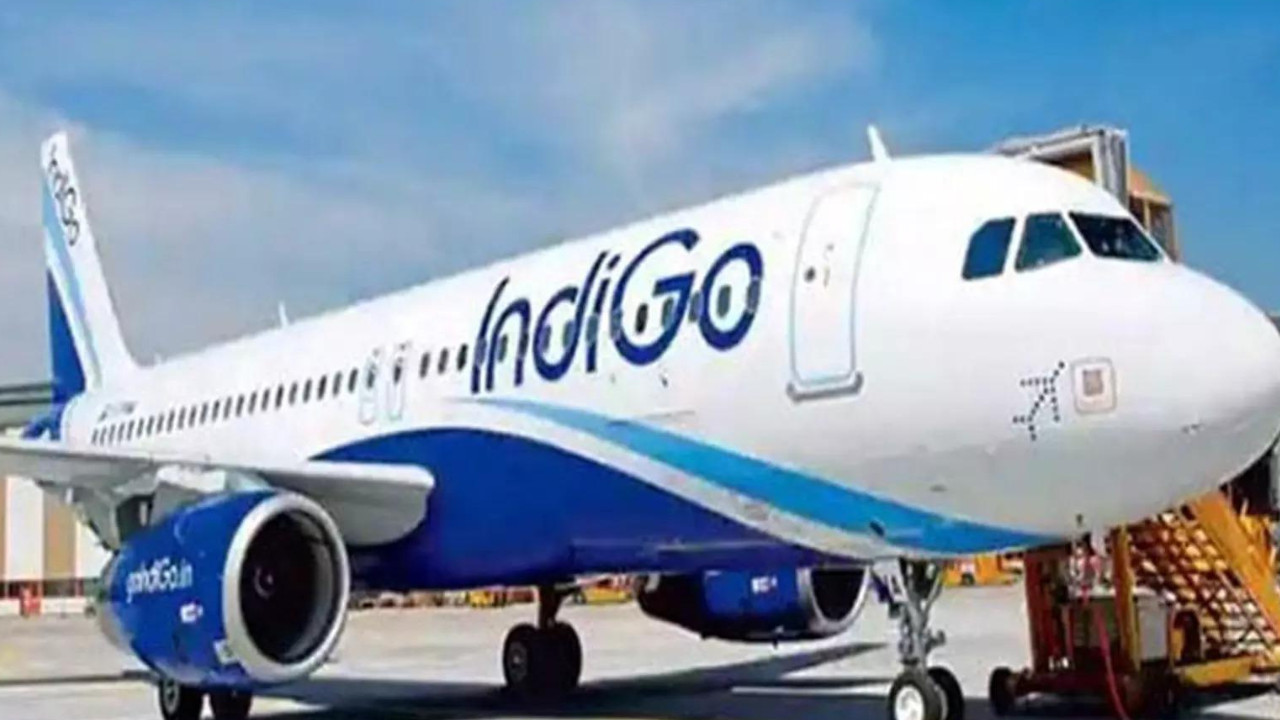
Indian pilots’ body accuses IndiGo of a hiring freeze and poor planning, leading to flight cancellations and delays. Despite a two-year window for new flight duty rules, the airline allegedly failed to adequately staff operations. The Federation of Indian Pilots urges the DGCA to reallocate IndiGo’s slots if commitments to passengers remain unmet due to avoidable shortages.
Is India’s Aviation Sector Heading for Turbulence? Indigo’s Hiring Practices Under Scrutiny
India’s skies, once buzzing with the promise of unprecedented growth, are facing some unexpected headwinds. Lately, flight cancellations have become a frustratingly common experience for travelers. Amidst this disruption, a quiet storm is brewing around Indigo, the country’s largest airline, raising questions about its competitive hiring practices and potential impact on the broader aviation sector.
The Federation of Indian Pilots (FIP), the representative body for pilots in India, has recently penned a letter to the Directorate General of Civil Aviation (DGCA), the country’s aviation regulator, expressing serious concerns about a perceived hiring freeze at Indigo. The FIP alleges that this freeze, coupled with what they term “cartel-like behaviour,” is exacerbating the existing pilot shortage and contributing to the widespread flight cancellations that have plagued the industry.


The timing of this letter is particularly noteworthy. India’s aviation sector is experiencing a boom, with passenger traffic steadily increasing. Airlines are expanding their fleets and routes to cater to this growing demand. Logically, this expansion should translate into more job opportunities for pilots. However, the FIP argues that Indigo’s actions are creating an artificial bottleneck, limiting opportunities for pilots and potentially hindering the overall growth of the industry.
What exactly is the FIP’s concern? They suggest that Indigo’s hiring freeze is not a matter of business necessity, but rather a strategic move to control pilot salaries and maintain its dominant market position. By limiting the number of available pilot positions, Indigo could potentially suppress wage growth and dictate terms to its existing employees. This, in turn, could put smaller airlines at a disadvantage, struggling to attract and retain qualified pilots.
Of course, Indigo has yet to officially respond to these specific allegations. It’s crucial to remember that these are allegations, and a thorough investigation is needed to determine the validity of the FIP’s claims. However, the concerns raised by the FIP warrant serious consideration by the DGCA. The DGCA has a responsibility to ensure fair competition and protect the interests of all stakeholders in the aviation sector, including pilots and passengers.
The impact of potential competitive hiring practices extends beyond pilot salaries. A shortage of pilots can directly impact flight safety and operational efficiency. Overworked and fatigued pilots are more prone to errors, increasing the risk of accidents. Flight cancellations, a direct consequence of pilot shortages, disrupt travel plans, damage the reputation of airlines, and ultimately erode passenger confidence.

The DGCA needs to address the concerns raised by the FIP in a proactive and transparent manner. This could involve investigating Indigo’s hiring practices, reviewing the overall supply and demand of pilots in the country, and implementing measures to ensure a level playing field for all airlines.
A healthy and competitive aviation sector is vital for India’s economic growth. Air travel connects people and businesses, facilitates trade and tourism, and contributes significantly to the nation’s GDP. Any actions that undermine the competitiveness of the sector, whether intentional or unintentional, need to be addressed promptly and effectively. You can read more about the overall state of the aviation industry on our site.
This situation serves as a reminder that even in a rapidly growing industry, vigilance is necessary to prevent anti-competitive behaviour and ensure a sustainable future for all players involved. What happens next could very well define the trajectory of India’s aviation sector for years to come.