India’s Shrinking Current Account Deficit: A Reason to Cheer?
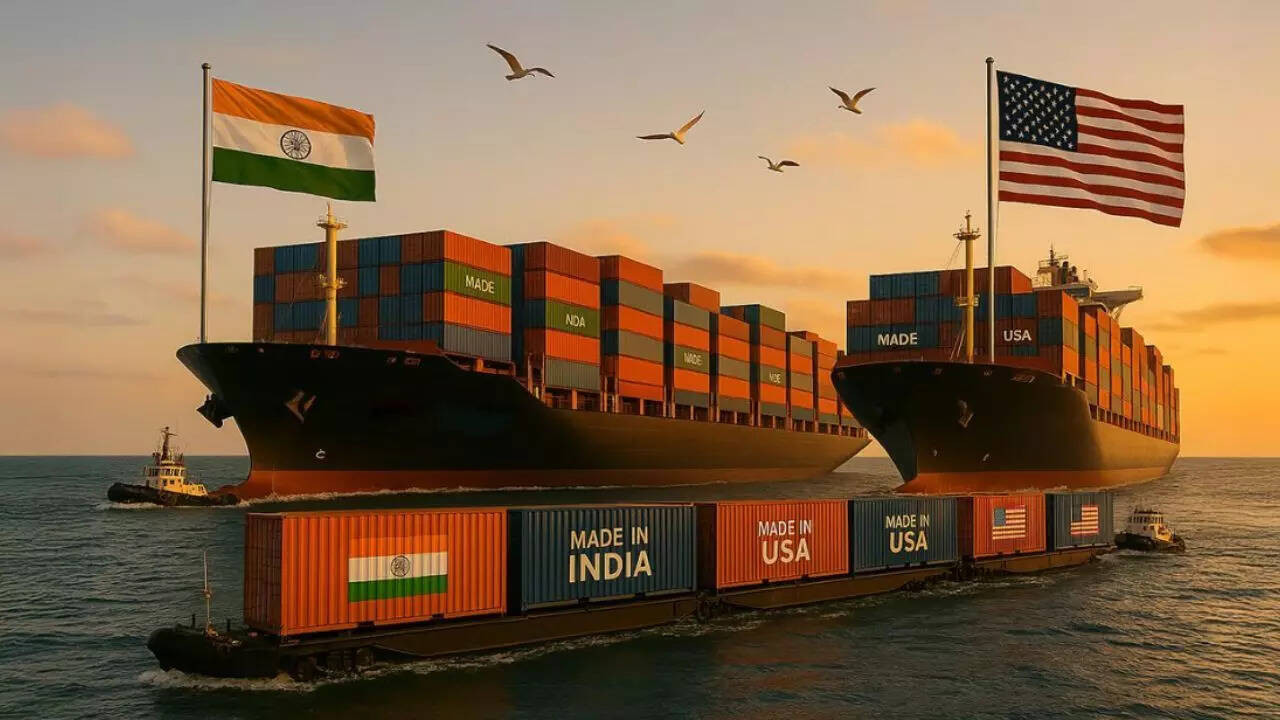
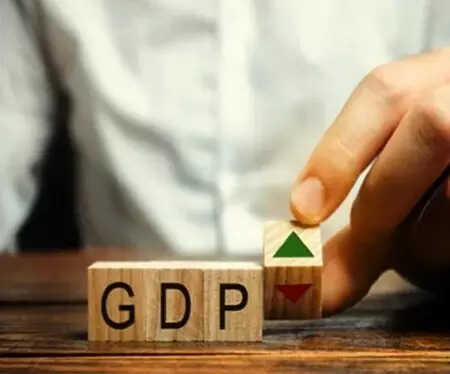
For anyone tracking India’s economic pulse, the latest figures on the current account deficit (CAD) offer a glimmer of optimism. The deficit, a measure of the difference between the value of goods and services India imports and exports, has narrowed considerably, landing at a comfortable 1.3% of GDP for the January-March quarter. This is a significant drop from the 2% recorded in the preceding quarter and a dramatic improvement from the 2.3% witnessed in the same period last year. But what does this really mean for the average person, and is it all smooth sailing from here?
The Reserve Bank of India (RBI) released these numbers, and they paint a picture of a recovering external sector. A narrower current account deficit suggests that India is becoming less reliant on foreign capital to finance its needs. Think of it like this: if you’re spending less than you’re earning, you’re in a better financial position. The same principle applies to a country’s economy.

One of the primary drivers behind this positive trend is a surge in service exports. India has long been a powerhouse in the services sector, particularly in IT and business process outsourcing. The latest data confirms this strength, with service exports showing robust growth. Imagine the country as a skilled professional offering valuable expertise to the world – the more of those services we “sell,” the better our economic standing.

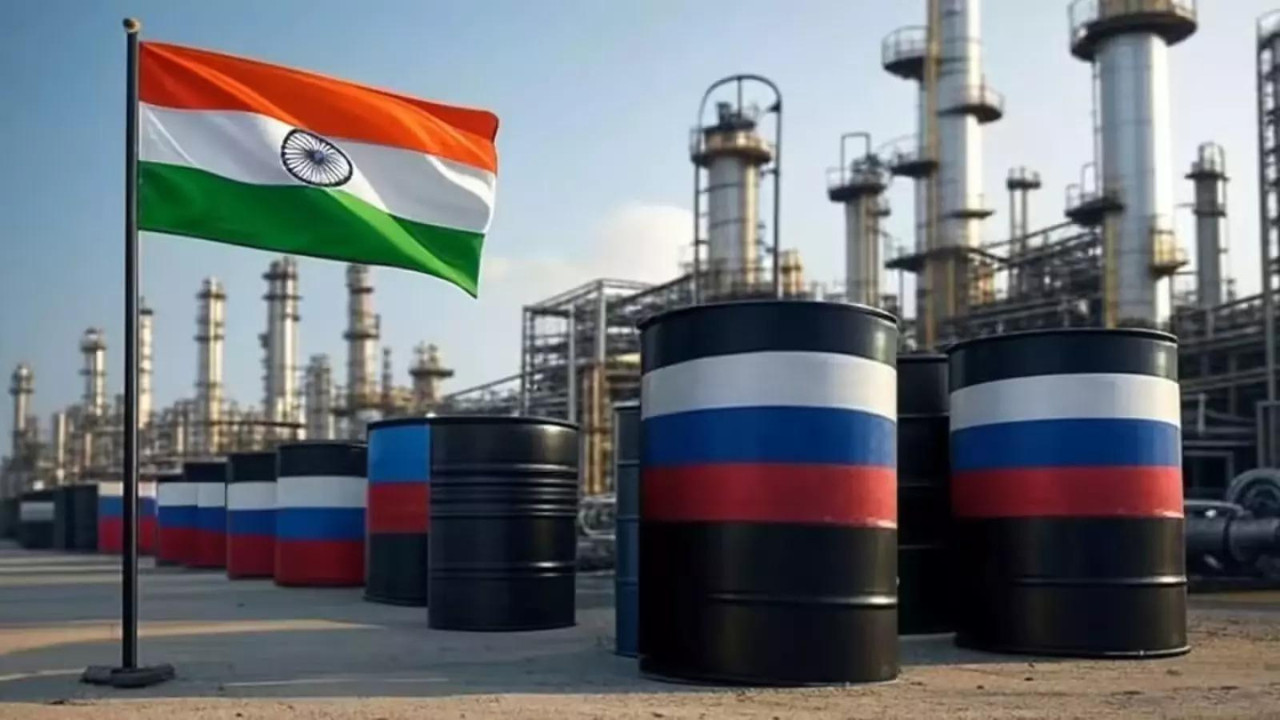
Furthermore, a moderation in merchandise trade also played a crucial role. While exports held their ground, import growth slowed. This is partly attributed to easing commodity prices, especially crude oil, which India heavily relies on. Lower oil prices translate to reduced import bills, automatically improving the trade balance. Think of it as finding cheaper gas for your car; it frees up cash for other things.
Now, before we break out the celebratory sweets, it’s important to maintain a balanced perspective. While the narrowing of the current account deficit is undoubtedly positive, the global economic landscape remains uncertain. Geopolitical tensions, fluctuating commodity prices, and potential slowdowns in major economies could all pose challenges to India’s external sector.
Looking ahead, the RBI anticipates the CAD to remain within manageable levels for the current fiscal year. They project it to be well within 1% to 2% of GDP. This range provides a comfortable buffer and reduces vulnerability to external shocks. This forecast relies on sustained growth in service exports and continued prudent management of imports. It’s a bit like carefully budgeting your expenses while simultaneously looking for opportunities to increase your income.
It is also worth remembering that a lower deficit impacts the rupee. Reduced reliance on foreign capital can provide stability to the Indian currency and potentially attract more foreign investment. A stronger rupee can, in turn, make imports cheaper and help control inflation. The pieces of the puzzle, when connected, create a ripple effect throughout the entire economy.

The improving CAD offers India a stronger foundation to navigate the complexities of the global economy. Prudent policy-making, continued focus on export competitiveness, and proactive measures to manage import dependencies are essential to ensure this positive trend continues. It’s not a sprint, but a marathon, and the country seems to be pacing itself well. For related reading, check out our piece on [India’s evolving export strategy](internal-link-to-exports-blog-post).
The shrinking current account deficit is a welcome sign, indicating improved economic stability and resilience. However, sustained vigilance and strategic economic management are crucial to solidify these gains and ensure long-term prosperity. The journey toward a balanced and thriving economy requires continuous effort and adaptability in the face of global uncertainties.