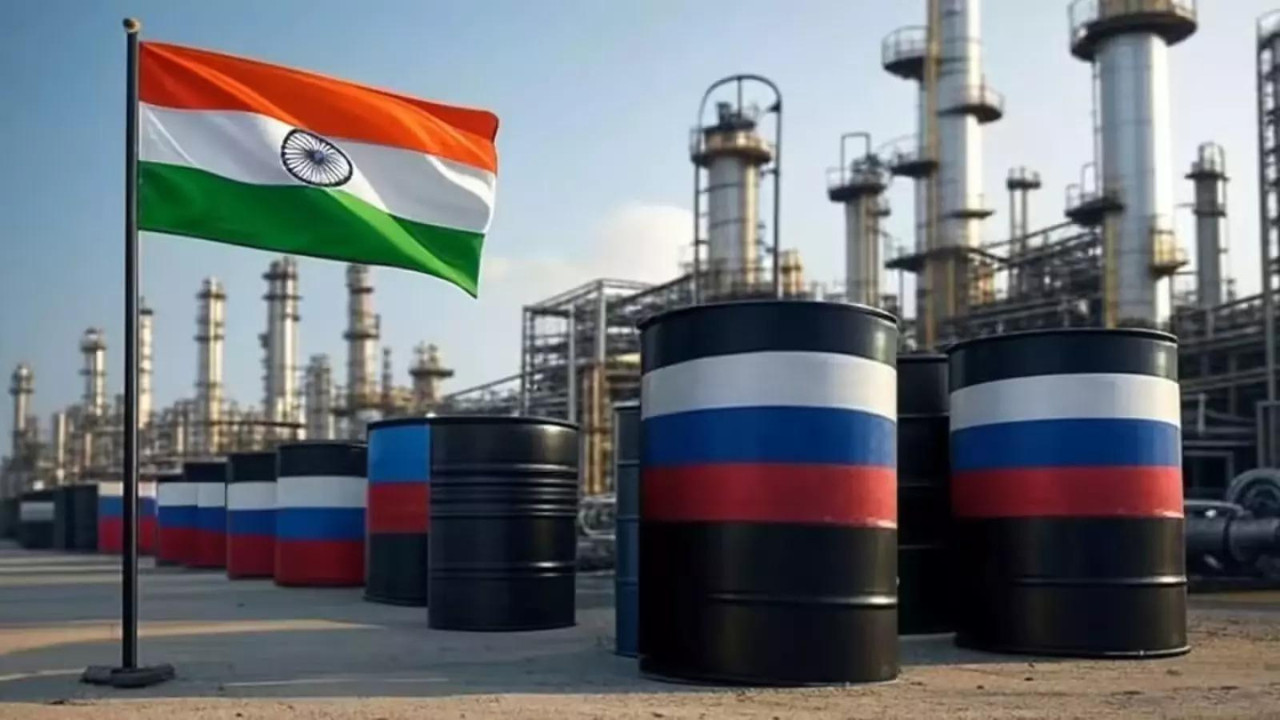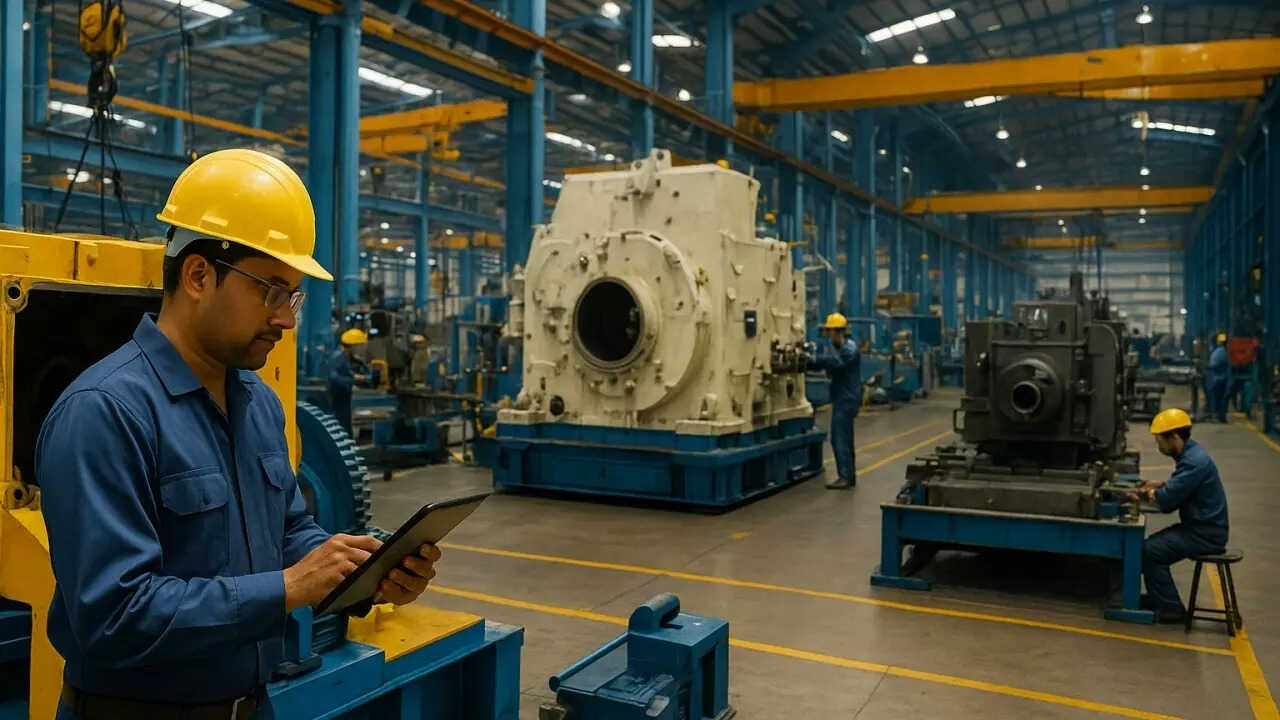
India’s industrial output saw a slowdown in October 2025, registering a mere 0.4% growth compared to 4% in September. This dip is attributed to fewer working days during major festivals. While mining and electricity sectors experienced declines, manufacturing showed resilience, driven by key industries like basic metals and refined petroleum products.
Navigating the Industrial Undercurrents: Decoding India’s October IIP Dip
The hum of India’s industrial engine seems to have softened a bit. October’s Index of Industrial Production (IIP) figures are in, and they paint a picture of slower growth, clocking in at a modest 0.4% compared to a more robust 4% the previous month. It’s a number that’s got economists and analysts alike scratching their heads, prompting a deeper dive into the underlying currents shaping India’s manufacturing landscape.
So, what exactly does this slowdown mean, and what’s driving it? Let’s unpack the key components of the IIP and try to understand the nuances behind these figures.
A Sector-by-Sector Snapshot: Where’s the Drag?
The IIP is essentially a barometer of industrial activity, measuring the production volume across various sectors. A closer look reveals that the deceleration isn’t uniform. Manufacturing, which carries the largest weight in the IIP basket, experienced a significant dip. While specific figures fluctuate, the general trend suggests a cooling down in manufacturing output. This is a crucial point, as manufacturing is often considered a key driver of overall economic growth and employment generation.
Mining also showed a subdued performance. The performance of the electricity sector, however, offered a glimmer of positivity, hinting at sustained demand. The divergence in performance across sectors highlights the complexity of the current economic environment and the varied challenges each industry is facing. Is this a temporary blip or the beginning of a more pronounced slowdown? That’s the million-dollar question everyone’s trying to answer.

Base Effect and Beyond: Disentangling the Data
When interpreting IIP figures, it’s vital to consider the “base effect.” This refers to the impact of the previous year’s corresponding period on the current growth rate. For example, if October of the previous year saw unusually high production, the current October would need to surpass that high base to show significant growth. This year, a higher base effect could be contributing to the perceived slowdown.

But the base effect is just one piece of the puzzle. Global economic headwinds, including inflationary pressures and softening demand in key export markets, are undoubtedly playing a role. Domestically, factors like fluctuating raw material prices and supply chain disruptions could also be impacting industrial output. Untangling these various influences is essential for formulating effective policy responses.
Understanding India’s Industrial Production Growth Through Use-Based Classification
Another insightful way to analyze the IIP data is through the lens of “use-based classification.” This categorizes goods based on their end-use, such as primary goods, capital goods, intermediate goods, and consumer goods. Examining the growth rates of these different categories provides valuable clues about the state of the economy.
A decline in capital goods production, for instance, could signal a slowdown in investment activity. Conversely, robust growth in consumer goods might indicate resilient consumer demand. By analyzing these granular trends, policymakers and businesses can gain a more nuanced understanding of the factors driving or hindering industrial growth. For instance, the performance of infrastructure/construction goods might point to the progress on government projects; a decrease might raise concerns.

Looking Ahead: Navigating the Uncertainty
The October IIP numbers certainly warrant attention, but it’s crucial to avoid jumping to premature conclusions. Economic data is often subject to revisions, and a single month’s performance shouldn’t be interpreted in isolation. It’s important to watch the trend over the coming months and consider a range of economic indicators to get a more complete picture.
What can be done? Possible measures include streamlining regulatory processes, investing in infrastructure development, and promoting innovation and technological upgrades in key sectors. A strategic and proactive approach is needed to ensure that India’s industrial engine continues to drive sustainable economic growth. Understanding trends like this helps us refine our strategies for long-term success. Learn more about related economic trends like [India’s recent trade balance shifts](link-to-another-article-on-your-site).
In conclusion, while the October IIP figures present a more muted picture of industrial growth, a deeper analysis reveals a complex interplay of factors at play. By monitoring these trends closely and adopting appropriate policy measures, India can navigate these industrial undercurrents and maintain its trajectory towards sustainable economic development.