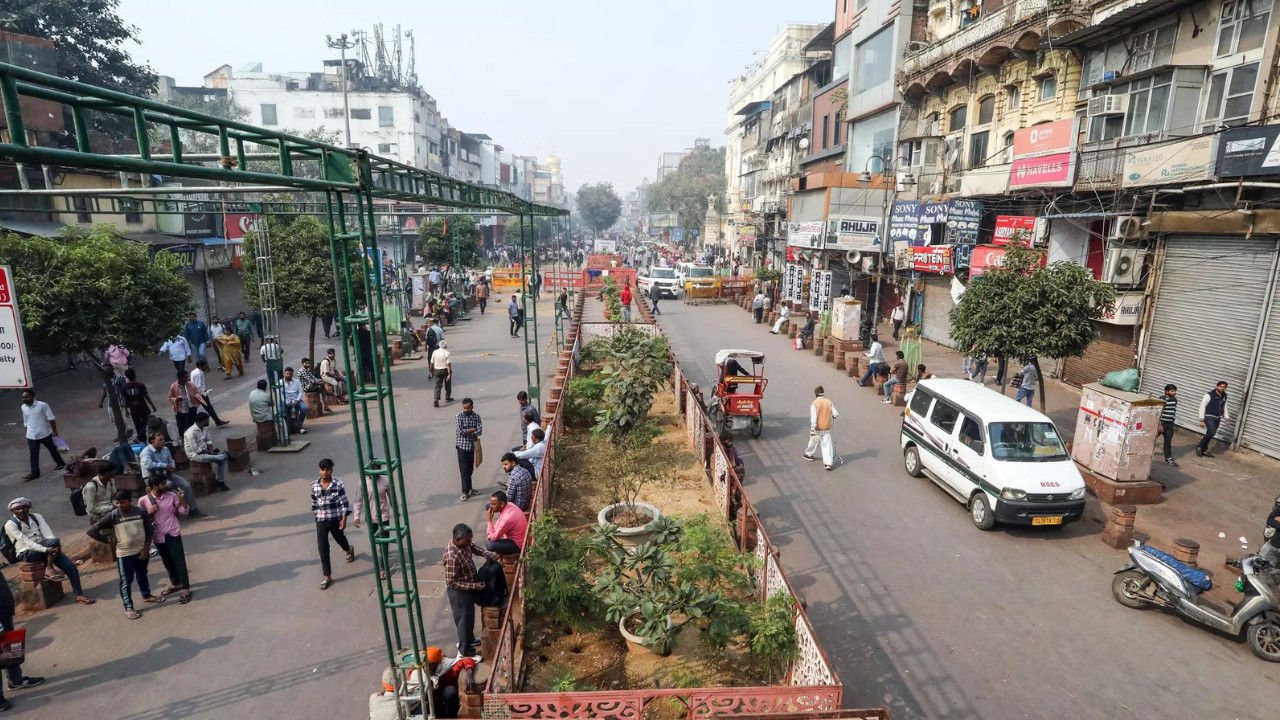
Central Delhi’s wholesale markets are experiencing a significant downturn following a blast near the Red Fort. Outstation buyers are increasingly opting for online purchases, leading to a 50% drop in footfall at Sadar Bazaar and Chandni Chowk. While Sarojini Nagar market remains unaffected, Lajpat Rai Market is largely shut, with traders expressing fear and livelihood concerns.
The Empty Bazaar: How Delhi’s Markets are Shifting Online
The vibrant chaos of Delhi’s traditional markets – the shouts of vendors, the jostle of crowds, the dazzling array of goods spilling onto the streets – is a sensory experience like no other. For generations, places like Sadar Bazaar and Chandni Chowk have been the heart of Delhi’s commerce, a testament to the enduring appeal of brick-and-mortar shopping. But a subtle shift is underway, a quiet tremor that’s changing the very fabric of these historic marketplaces. The once-unthinkable is happening: these bustling hubs are falling silent.
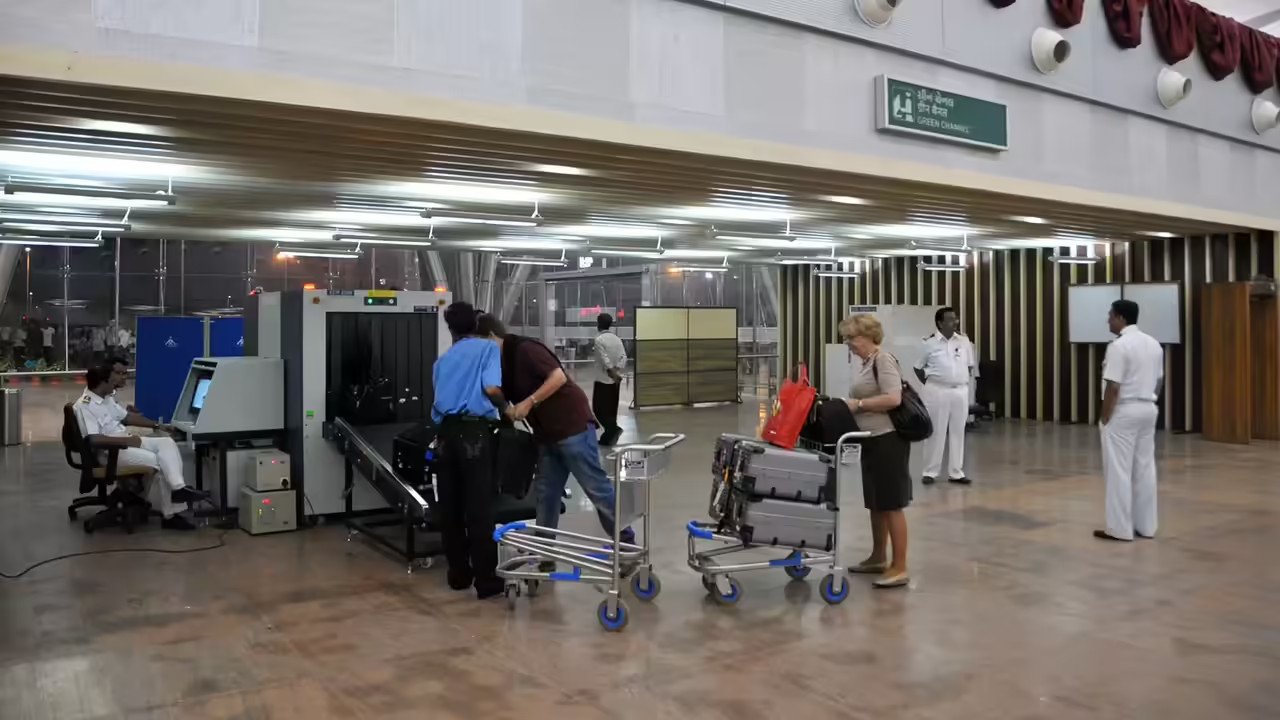
Recent events, particularly a concerning incident near the Red Fort, have cast a long shadow. While thankfully contained, the immediate aftermath saw a drastic decline in foot traffic. Fear, uncertainty, and the inevitable security measures put in place all contributed to shoppers staying away. But to attribute the changes solely to this single event would be a gross oversimplification. Something deeper is happening, a fundamental reshaping of consumer habits that’s forcing Delhi’s markets to adapt or risk being left behind.
The Allure of the Screen: Why Online Shopping is Booming
The rise of e-commerce isn’t news, but its impact on traditional markets is becoming increasingly pronounced. Why brave the crowded streets, the scorching heat, or the endless traffic when you can browse a seemingly limitless selection from the comfort of your own home? Online retailers offer convenience, often at competitive prices, and the ease of having purchases delivered directly to your doorstep is a powerful draw, especially for busy professionals and younger generations.
This isn’t just about convenience, though. The online marketplace offers a transparency that traditional markets sometimes lack. Customer reviews, price comparisons, and detailed product descriptions empower consumers to make informed decisions. The digital realm also fosters a sense of personalized shopping, with tailored recommendations and targeted advertisements that cater to individual preferences. The digital marketplace for things like home decor and hardware seems limitless when compared to the crowded stalls of older markets.


Sadar Bazaar and Chandni Chowk: Adapting to a New Reality
The owners of shops in Sadar Bazaar and Chandni Chowk aren’t oblivious to these changes. Many are beginning to understand the importance of establishing an online presence, realizing that survival in the modern marketplace demands a hybrid approach. Some have launched their own e-commerce websites, while others are partnering with existing online platforms to reach a wider audience. This transition, however, is not without its challenges.
Many of these businesses are family-owned, passed down through generations. They may lack the technological expertise or the financial resources to compete effectively with established online giants. Moreover, the very essence of these markets lies in the tactile experience – the ability to see, touch, and haggle for goods. Replicating that online is a complex and ongoing process. The spirit of the bazaar is in the experience.
The Future of Delhi’s Markets: A Blend of Old and New
So, what does the future hold for Delhi’s iconic marketplaces? Are we witnessing the slow decline of a cherished tradition? Not necessarily. What we are likely seeing is an evolution. The markets may become less reliant on day-to-day retail traffic and more focused on specialized goods, unique experiences, and serving as hubs for wholesale trade.
Imagine Chandni Chowk becoming a destination for artisanal crafts, offering handcrafted goods and immersive cultural experiences that cannot be replicated online. Picture Sadar Bazaar transforming into a center for wholesale distribution, leveraging its existing network of suppliers to serve businesses across the country. This is an opportunity for these markets to redefine themselves, to leverage their strengths and adapt to the changing needs of consumers. For example, local governments are incentivizing Delhi markets to promote their local specialties online.

The key is adaptation. Embracing technology, enhancing the customer experience, and finding new ways to attract visitors are crucial steps. Preserving the heritage and character of these markets while simultaneously embracing innovation is a delicate balancing act, but one that is essential for ensuring their survival and continued relevance in the 21st century. You might find the story of how Connaught Place is adapting to new technologies to be interesting.
Finding Equilibrium: Where Bricks Meet Clicks
The narrative isn’t about the demise of traditional markets, but rather their evolution. It’s about finding a balance between the convenience of online shopping and the unique charm and character of these historic marketplaces. By embracing technology, enhancing the shopping experience, and focusing on what makes them special, Delhi’s markets can not only survive but thrive in the digital age. The future likely lies in a synergistic approach – where the bricks-and-mortar world of Delhi’s markets seamlessly blends with the clicks of the online realm.