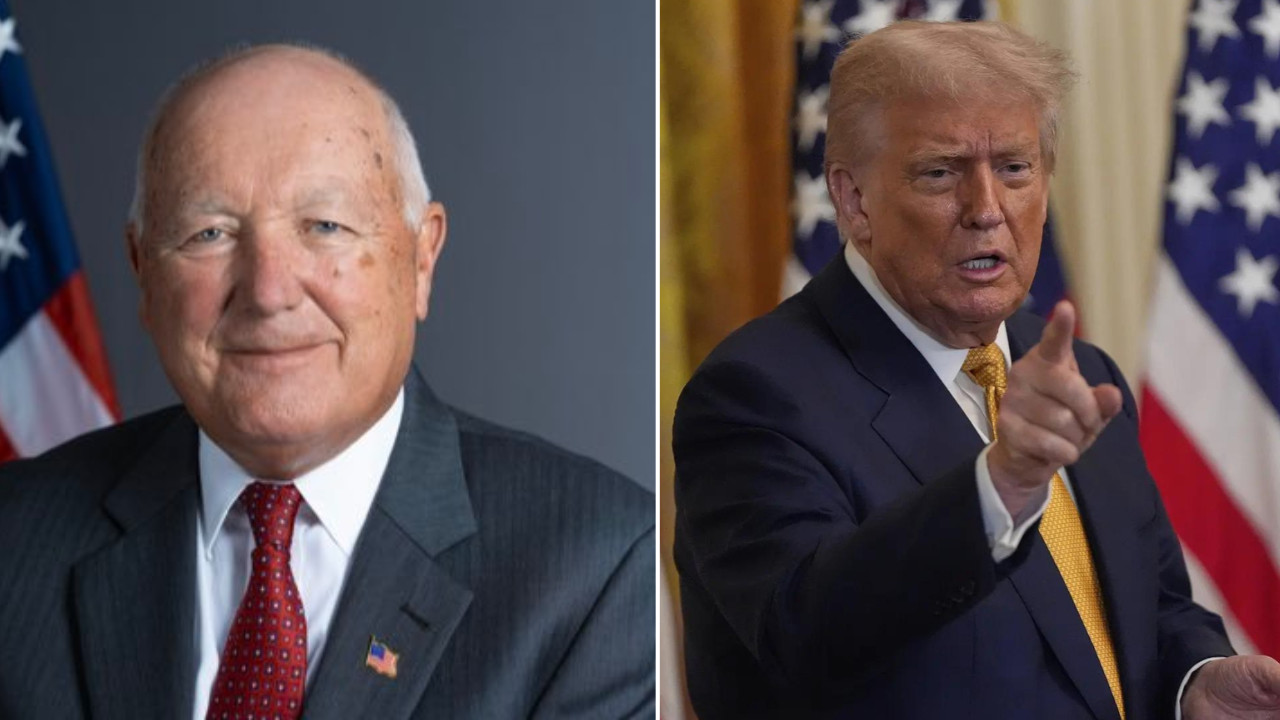
US Ambassador Pete Hoekstra expressed his disappointment with growing anti-American sentiment in Canada, particularly from politicians, following US tariffs. He criticized the use of terms like “war” to describe the trade dispute and defended Trump’s tariff agenda. Hoekstra welcomed Canada’s decision to drop retaliatory tariffs and expressed optimism about future trade relations despite challenges.
Is the Maple Leaf Losing Its Shine? A Look at Rising Anti-American Sentiment in Canada
Canada, the land of breathtaking landscapes, poutine, and famously polite people. But beneath that veneer of amiability, is a different sentiment brewing? Recent statements from David Cohen, the U.S. Ambassador to Canada, suggest a growing unease – a palpable anti-American sentiment that’s raising eyebrows on both sides of the border.
Cohen, speaking candidly at a recent event, didn’t mince words. He expressed his disappointment at encountering more anti-American feeling than he anticipated upon taking up his post. This wasn’t just a casual observation; it was a genuine concern voiced by a key figure in the U.S.-Canada relationship. And it begs the question: What’s fueling this shift in attitude?
Unpacking the Roots of Anti-Americanism in Canada
It’s not exactly news that Canada and the U.S., despite their close proximity and economic ties, have always had a complex relationship. Canada, often seen as the smaller sibling to its powerful southern neighbor, has historically grappled with maintaining its own identity and sovereignty. The fear of being culturally and economically overshadowed by the U.S. has always been a simmering concern, and this fear seems to be bubbling closer to the surface.


But the rise of present-day anti-American sentiment in Canada isn’t just about historical anxieties. Several factors appear to be contributing to this growing tension. The political climate, both north and south of the border, plays a significant role. The Trump era, with its focus on “America First” policies and trade protectionism, undoubtedly strained the relationship between the two countries. Canadians, known for their generally progressive values, often found themselves at odds with the former administration’s policies on issues ranging from climate change to international cooperation.
Trump’s Tariffs: A Lingering Sore Point
Ambassador Cohen addressed the elephant in the room: the legacy of Donald Trump’s tariff policies. He defended these policies, arguing that they were necessary to protect American industries and level the playing field. However, it’s undeniable that these tariffs, particularly those imposed on Canadian steel and aluminum, left a bitter taste in the mouths of many Canadians. They were seen as an attack on Canada’s economy and a betrayal of the long-standing partnership between the two nations. The wounds inflicted by these tariffs are still healing, and the skepticism they engendered continues to shape Canadian perceptions of the U.S.
Beyond trade disputes, broader geopolitical issues also contribute. Differing approaches to foreign policy, international agreements, and even social issues can create friction. Canada, with its emphasis on multilateralism and international cooperation, often finds itself taking a different stance than the U.S. on global matters. These divergences, while not necessarily indicative of outright hostility, can contribute to a sense of distance and even resentment.

Beyond Politics: Cultural Identity and Economic Concerns
The anti-American sentiment isn’t solely a political phenomenon. Cultural identity also plays a crucial role. Canada has worked hard to cultivate a distinct national identity, separate from the American cultural juggernaut. This includes supporting Canadian artists, filmmakers, and musicians, and promoting Canadian content in the media. The perceived threat of American cultural dominance is a constant undercurrent in Canadian society.
Furthermore, economic anxieties are a major contributing factor. While Canada benefits from its close economic relationship with the U.S., it also faces the challenges of competing with a much larger and more powerful economy. Concerns about jobs, investment, and the future of Canadian industries are often intertwined with anxieties about American influence. You can learn more about Canadian economic trends in our analysis of [recent shifts in North American trade dynamics].
Navigating the Path Forward
Cohen’s remarks are a wake-up call, highlighting the need for both countries to address the underlying issues fueling this anti-American sentiment. Open dialogue, mutual respect, and a willingness to understand each other’s perspectives are crucial for mending fences and rebuilding trust. This means acknowledging past grievances, addressing current concerns, and working together to forge a stronger, more equitable partnership for the future. It requires a commitment from both nations to move beyond simplistic narratives and engage in honest, nuanced conversations about the complexities of their relationship. The future of the Canada-U.S. relationship depends on it.