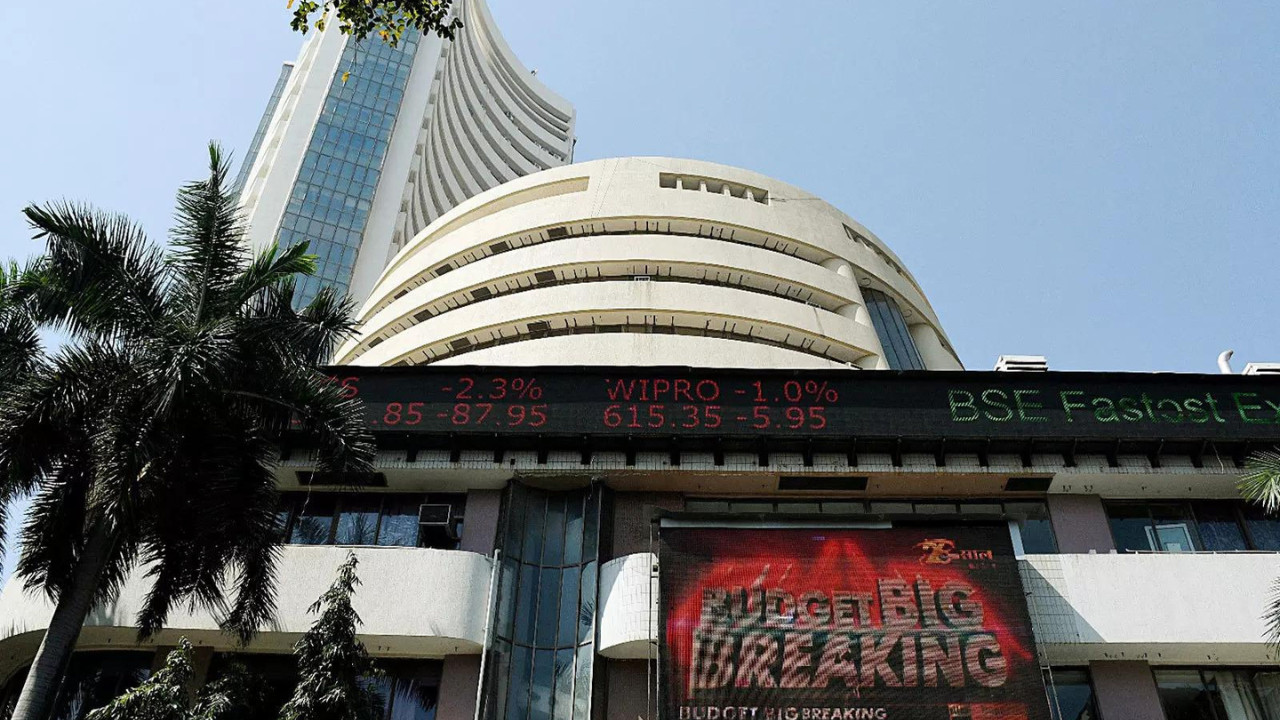
Domestic institutional investors now hold a record 18.26% of Indian equities, surpassing foreign ownership for the first time in 13 years. This shift, driven by strong retail inflows into mutual funds, highlights India’s ‘retailisation’ amid global uncertainties and stretched valuations, making the market resilient to foreign selling.
The Shifting Sands of Indian Markets: How Local Investors Are Reshaping the Landscape
For decades, the narrative of the Indian stock market has been inextricably linked with the ebbs and flows of foreign investment. Foreign Portfolio Investors (FPIs) were the kingmakers, their decisions wielding immense influence over market sentiment and direction. But a quiet revolution has been brewing, one powered by the burgeoning confidence and financial muscle of domestic investors. And the numbers are painting a compelling picture: a dramatic widening of the ownership gap between domestic and foreign investors, reaching a 25-year high. What does this mean for the future of Indian markets? It’s a story of empowerment, resilience, and a fundamental shift in control.
A Homegrown Force: The Rise of Domestic Investors
The Indian retail investor, once a marginal player, has stepped into the spotlight with unprecedented gusto. Fuelled by increasing financial literacy, easier access to markets through online platforms, and a growing belief in the long-term potential of the Indian economy, domestic participation has surged. Systematic Investment Plans (SIPs), in particular, have become a cornerstone of this movement, allowing individuals to invest small, regular amounts, effectively insulating them from the volatility that often spooked previous generations.  This steady, unwavering commitment from local investors has acted as a powerful counterweight to the often-temperamental nature of foreign capital.
The data speaks volumes. Ownership of listed Indian companies by domestic investors, including retail participants and domestic institutions, has soared, while the share held by FPIs has relatively plateaued. This gap, now at its widest in a quarter of a century, signifies more than just a statistical anomaly. It reflects a fundamental change in the power dynamics of the Indian stock market.
Why the Shift? Decoding the Driving Forces
Several factors are contributing to this remarkable shift. Firstly, the Indian economy has demonstrated remarkable resilience in the face of global headwinds. While other economies have struggled, India has maintained a relatively robust growth trajectory, attracting domestic investment and reinforcing the belief in its long-term prospects.

Secondly, a growing middle class with increasing disposable income is actively seeking avenues to grow their wealth. The stock market, once viewed as a risky proposition, is now seen as a viable and accessible investment option. The proliferation of discount brokerages and user-friendly trading apps has further democratized access, empowering a new generation of investors.
Thirdly, there’s been a visible increase in the awareness of mutual funds and other investment vehicles. Investor education initiatives undertaken by regulatory bodies and market participants have played a crucial role in building trust and confidence among domestic investors. SIPs are a great example of how investor education has paid dividends. These have become so popular that they’re a buzzword in Indian households.
Finally, global uncertainties and geopolitical tensions have made some foreign investors more cautious about emerging markets, including India. While India remains an attractive destination for foreign capital, the increased focus on domestic stability and growth has strengthened the resolve of local investors.
Implications for the Future: A More Resilient Market?
The increasing dominance of domestic investors has profound implications for the future of the Indian stock market. It could potentially lead to greater stability and resilience, as domestic investors are generally less prone to panic selling during periods of global volatility. A strong base of local ownership can act as a cushion, mitigating the impact of sudden outflows of foreign capital.
Furthermore, this shift in power dynamics could lead to a more nuanced and long-term investment approach. Domestic investors, deeply invested in the Indian economy and its future, are more likely to focus on fundamental analysis and long-term growth potential, rather than short-term gains. This could foster a more sustainable and responsible investment culture.

This isn’t to say that foreign investment is no longer important. FPIs still play a vital role in providing liquidity and introducing global best practices to the Indian market. However, the narrative has clearly shifted. The Indian stock market is no longer solely reliant on the whims of foreign capital. It is increasingly driven by the confidence and ambition of its own people.
For businesses, this means understanding the changing priorities and sentiments of the domestic investor base. Transparency, good governance, and a clear focus on sustainable growth will be crucial to attract and retain their support. [Learn more about corporate governance best practices.](internal-link-to-related-content)
A New Era of Market Dynamics
The growing strength of domestic investors in the Indian stock market marks a significant turning point. It’s a testament to the resilience of the Indian economy, the growing financial literacy of its citizens, and the increasing confidence in its long-term potential. While challenges remain, the shift in power dynamics suggests a more stable, resilient, and fundamentally sound future for the Indian stock market, one increasingly shaped by the aspirations and investments of its own people. The age of domestic dominance has arrived, and the Indian markets may never look back.