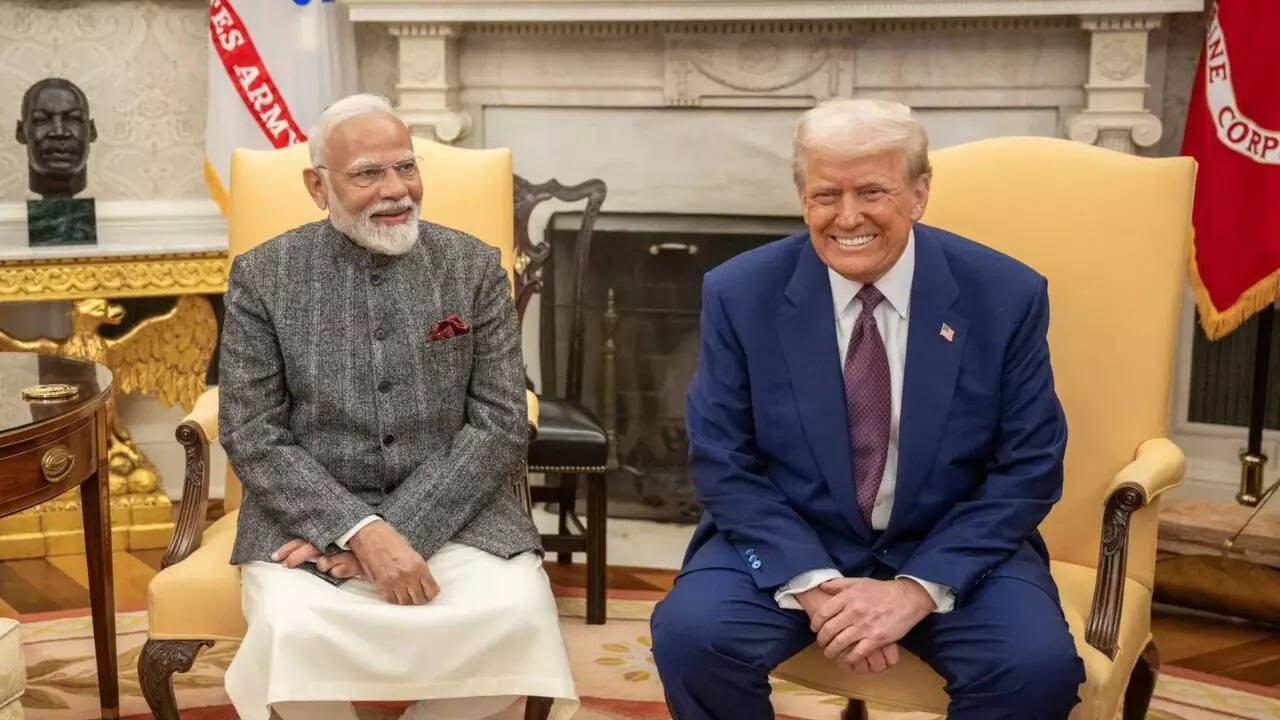
Pfizer agreed to lower prescription drug costs for Medicaid and invest $70 billion in US manufacturing, President Trump announced. This deal includes most-favoured-nation pricing for Medicaid, aiming to significantly reduce healthcare expenses. Pfizer’s shares surged following the announcement, which precedes new US tariffs on branded drugs.
Navigating the Pharmaceutical Landscape: Trump’s Proposed Changes and Pfizer’s Response
The American healthcare system, a perpetually debated and often turbulent terrain, recently experienced another tremor. This time, the focal point was prescription drug pricing, specifically concerning Medicaid, the government program providing healthcare to millions of low-income Americans. Former President Donald Trump unveiled a proposal aiming to significantly cut drug prices within the Medicaid system, a move met with both anticipation and scrutiny.
The immediate reaction? A flurry of activity from pharmaceutical giants, perhaps most notably, Pfizer. The company swiftly announced it would comply with the proposed Medicaid price cuts, while simultaneously committing to a substantial $70 billion investment in the United States. This dual announcement sent ripples through Wall Street, with Pfizer’s stock experiencing an immediate, albeit modest, jump.
So, what’s really going on here? Let’s unpack the layers of this complex situation.
The push for lower drug prices, particularly within Medicaid, has been a recurring theme in American politics for years. The argument, championed by various administrations and advocacy groups, centers on accessibility and affordability. High drug prices can create a barrier to essential medications, forcing individuals to make difficult choices between healthcare and other necessities. Cutting Medicaid drug prices is presented as a solution to alleviate this burden and ensure broader access to potentially life-saving treatments.
But it’s not as simple as just lowering the prices. Pharmaceutical companies, understandably, operate within a profit-driven system. They invest heavily in research and development, a process that can be incredibly expensive and time-consuming. These companies argue that high drug prices are necessary to recoup their investments and fuel future innovation. Without adequate financial incentives, they contend, the pipeline of new medications could dry up, ultimately harming patients. This is a valid argument and needs to be factored into the equation.


Pfizer’s response to the proposed Medicaid price cuts reflects this inherent tension. On the one hand, agreeing to lower prices demonstrates a willingness to cooperate with the government and address affordability concerns. It’s a calculated move that could improve public perception and potentially mitigate stricter regulations down the line.
The $70 billion investment, on the other hand, is a strategic counterbalance. It serves as a strong signal of Pfizer’s commitment to the American economy, creating jobs and bolstering research and development within the country. This investment could also be interpreted as a bargaining chip, potentially softening the blow of the price cuts by highlighting Pfizer’s overall contribution to the nation’s well-being. It is a tangible asset that can be used in further negotiations.
The long-term implications of these actions are far from certain. Will the proposed price cuts genuinely improve access to medications for Medicaid recipients? Will they significantly impact Pfizer’s bottom line? Will other pharmaceutical companies follow suit, creating a domino effect across the industry? Only time will tell. One thing is clear: the dynamics between government, pharmaceutical companies, and patients are constantly evolving, shaping the future of healthcare in America.
It’s crucial to consider the potential unintended consequences. Drastically reducing drug prices could disincentivize research into certain diseases or conditions, particularly those affecting smaller populations. It’s a delicate balancing act, ensuring both affordability and continued innovation.
The response from other players in the healthcare system – hospitals, doctors, insurance companies – will also be critical. Their reactions and adaptations will ultimately determine the true impact of these changes. The ripple effects can spread far and wide.

This situation also highlights the complex relationship between government regulation and market forces within the pharmaceutical industry. Finding the right balance – one that encourages innovation, ensures affordability, and promotes patient access – remains a significant challenge.
The current administration also has their own plans regarding drug costs. Find out more about the administration’s stance on healthcare [here](internal-link).
In conclusion, Trump’s proposed Medicaid price cuts and Pfizer’s subsequent response represent a significant moment in the ongoing debate over prescription drug pricing in the United States. While the immediate impact may seem clear – lower prices and a boost in Pfizer’s stock – the long-term consequences remain to be seen. It’s a complex interplay of economic forces, political pressures, and ethical considerations that will continue to shape the American healthcare landscape for years to come. Continuous monitoring of this evolving situation is of paramount importance.