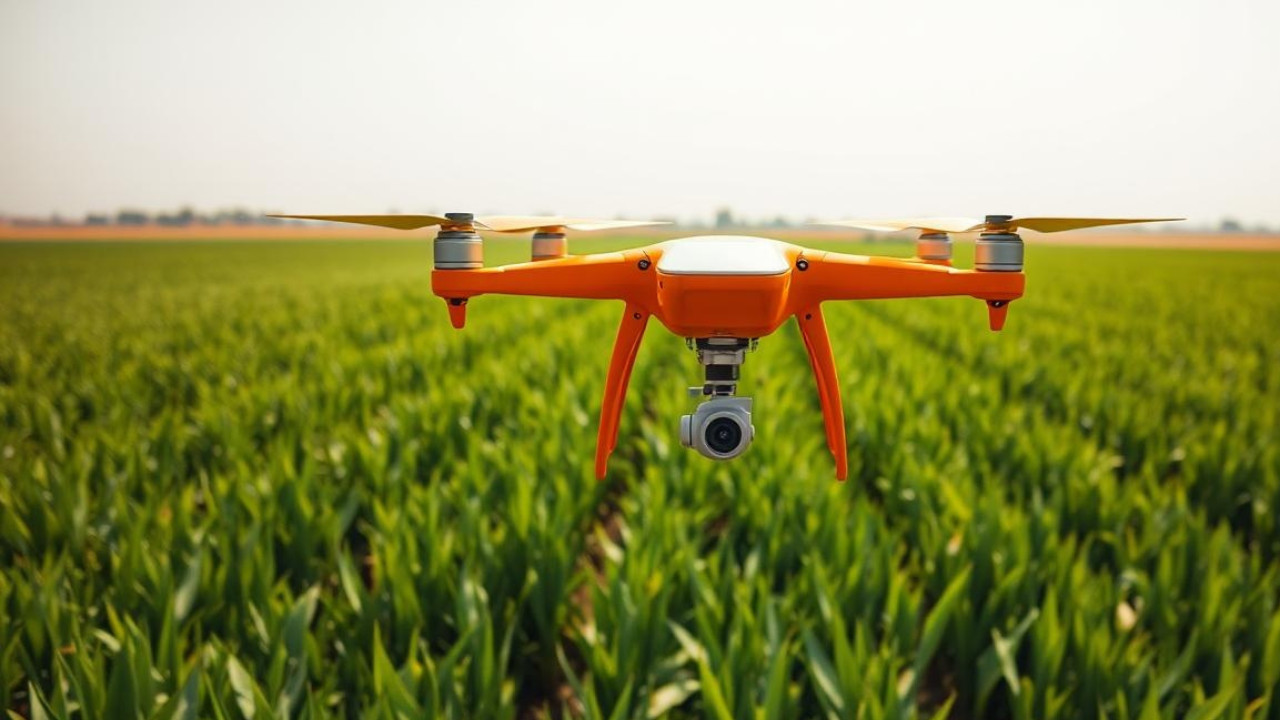
A new report by Nexgen Exhibitions projects India’s drone industry could unlock $23 billion in manufacturing potential by 2030, fueled by demand from defense, agriculture, logistics, and infrastructure. Operation Sindoor has accelerated drone adoption, with agriculture expected to be the largest consumer by 2030. The Drone International Expo 2025 in Delhi will showcase global innovation in the sector.
India’s Drone Revolution: Taking Flight Towards a $23 Billion Future
Imagine a not-so-distant future where drones are as commonplace as smartphones, buzzing across the Indian landscape, playing vital roles in everything from delivering life-saving medicines to meticulously surveying agricultural fields. It’s not just a futuristic fantasy; it’s a rapidly approaching reality fueled by innovation, supportive government policies, and a burgeoning domestic manufacturing ecosystem. Recent reports paint a vibrant picture of India’s drone industry, suggesting it’s poised for explosive growth, potentially reaching a staggering $23 billion by 2030.
But what’s driving this incredible surge? It’s a confluence of factors, but two sectors stand out as primary catalysts: defense and agriculture.
Drones in Defence: Enhancing Security and Surveillance
The defence sector is emerging as a major consumer of drone technology. From border surveillance and reconnaissance missions to counter-terrorism operations and logistics support, drones offer a cost-effective and versatile solution for enhancing national security. The Indian military is actively exploring and integrating drones into its operational framework, recognizing their potential to provide real-time intelligence, improve situational awareness, and reduce risks to personnel. Think of drones as tireless, ever-vigilant eyes in the sky, providing crucial information that can make all the difference.

The government’s push for indigenization in defence manufacturing further fuels this growth. By encouraging domestic drone production, India not only reduces its reliance on foreign suppliers but also creates opportunities for local businesses and fosters technological innovation. This strategic shift is creating a vibrant ecosystem of drone manufacturers, software developers, and service providers, all contributing to the sector’s rapid expansion.

Agriculture: A Drone-Powered Transformation
Beyond defence, the agricultural sector presents another significant opportunity for drone adoption. Indian agriculture faces numerous challenges, including fragmented landholdings, water scarcity, and pest infestations. Drones can help address these challenges by providing farmers with valuable data and insights. Equipped with sensors and cameras, drones can map fields, assess crop health, monitor irrigation needs, and even spray pesticides with pinpoint accuracy. This precision agriculture approach can lead to increased yields, reduced input costs, and more sustainable farming practices.
Imagine a farmer using a drone to identify areas in their field that are suffering from nutrient deficiencies, allowing them to apply fertilizer only where it’s needed. Or picture a drone precisely targeting a pest infestation, minimizing the use of harmful chemicals. These are just a few examples of how drones are revolutionizing agriculture, making it more efficient, productive, and environmentally friendly. You can also find more information on related technologies in our article about the future of agri-tech in India.
Manufacturing Momentum: Building a Drone Ecosystem
The growth of India’s drone industry isn’t just about adoption; it’s also about building a robust domestic manufacturing base. The government’s supportive policies, including production-linked incentives (PLI) and simplified regulations, are attracting investments and encouraging local production. This is crucial for creating a sustainable and self-reliant drone ecosystem.
A thriving manufacturing sector will not only meet the growing demand for drones in India but also position the country as a global export hub. Indian drone manufacturers are increasingly competitive, offering innovative and cost-effective solutions for various applications. This competitiveness will be key to capturing a significant share of the global drone market.
The Road Ahead: Challenges and Opportunities

While the outlook for India’s drone industry is undeniably bright, there are challenges to overcome. These include addressing concerns about data privacy and security, ensuring safe and responsible drone operations, and developing a skilled workforce to support the industry’s growth.
Nevertheless, the opportunities are immense. As drone technology continues to evolve and become more affordable, its applications will expand beyond defence and agriculture to include logistics, infrastructure monitoring, disaster management, and even healthcare delivery. Imagine drones delivering vital medical supplies to remote areas or inspecting critical infrastructure like bridges and pipelines.
The Indian drone industry is on the cusp of a major transformation. With the right policies, investments, and technological innovation, India has the potential to become a global leader in drone technology, creating jobs, driving economic growth, and improving the lives of its citizens. The journey has just begun, and the future of drones in India looks brighter than ever.
India’s drone sector presents a significant opportunity for economic growth and technological advancement. By focusing on strategic investments, skill development, and responsible regulatory frameworks, India can unlock the full potential of drone technology and solidify its position as a global leader in this rapidly evolving field.