Starlink Lands in India: Connecting the Unconnected?
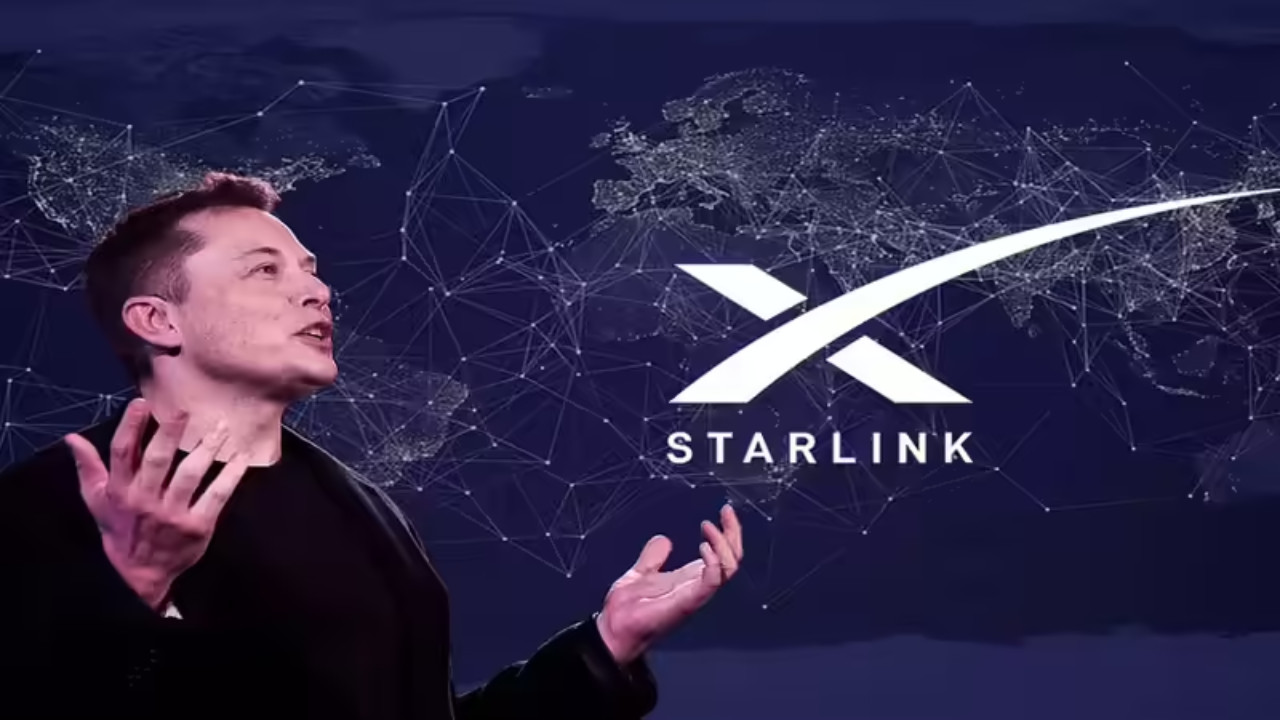
The final frontier of connectivity just got a little closer. After navigating a regulatory landscape as complex as a star chart, Elon Musk’s Starlink has secured the crucial unified license in India. This isn’t just another business permit; it’s a launchpad towards potentially revolutionizing internet access for millions, particularly in the country’s most remote corners.
The Department of Telecommunications (DoT) greenlit the license following recommendations from the Telecom Regulatory Authority of India (TRAI). This approval signals a significant step forward in Starlink’s ambition to beam down high-speed internet via its constellation of low-Earth orbit (LEO) satellites. The promise? Bridging the digital divide, where terrestrial infrastructure struggles to reach.
But it’s not just a free-for-all. The license comes with stipulations. A key condition prevents Starlink from mirroring or decrypting data abroad. This requirement underscores the Indian government’s focus on data security and sovereignty, ensuring that user data remains within the nation’s digital borders.
What Does the Starlink License Mean for India?
Imagine a village nestled deep in the Himalayas, where patchy phone signals are the norm and reliable internet is a distant dream. Suddenly, access to online education, telemedicine, and e-commerce becomes a reality. This is the transformative potential Starlink brings to the table.
The unified license allows Starlink to offer a full suite of telecom services, utilizing its satellite technology to bypass the limitations of traditional fiber optic or cellular networks. For businesses, this could unlock new markets and opportunities, fostering growth in underserved regions. For individuals, it means empowerment through access to information and resources previously unavailable.


The implications extend beyond rural areas. Even in urban centers, Starlink could serve as a crucial backup for critical infrastructure during natural disasters or network outages, providing a resilient communication lifeline when terrestrial systems fail. Think hospitals, emergency services, and government agencies maintaining essential functions even when the ground network is down.
Navigating the Regulatory Hurdles
Starlink’s journey to securing the license wasn’t without its twists and turns. Early pre-bookings were put on hold as regulatory clarity was sought. Concerns were raised about spectrum allocation and ensuring a level playing field for existing telecom operators.
The DoT’s approval, with its accompanying conditions, reflects a balanced approach. It welcomes innovation while safeguarding national interests and ensuring fair competition. The restriction on data mirroring and decryption is a clear message about data security, aligning with the growing global emphasis on digital sovereignty. This isn’t unique to India; similar scrutiny and conditions are being applied worldwide as satellite internet providers expand their reach.
A Competitive Landscape
Starlink isn’t alone in the satellite internet arena. Other players are also vying for a slice of the Indian market. Bharti Airtel-backed OneWeb is another significant contender, already operational in certain parts of the country. Jio also announced its satellite internet intentions, creating a potential future rivalry. This increasing competition is likely to drive innovation and lower prices, ultimately benefiting consumers.
This competitive pressure also means Starlink needs to demonstrate not just technological superiority but also affordability and customer service excellence. Winning over the Indian consumer will require more than just beaming down high-speed internet; it requires understanding their needs and delivering a reliable and accessible service.
The Future of Connectivity is Here?
The arrival of Starlink in India marks a pivotal moment. It’s more than just another internet provider entering the market. It represents a paradigm shift in how connectivity can be delivered, especially to those who have been left behind by traditional infrastructure. Will Starlink truly bridge the digital divide and empower underserved communities? The potential is undeniably there. It’s time to see if that potential turns into reality.

What’s next? The rollout of services, the expansion of Starlink’s ground infrastructure, and the fine-tuning of its offerings to suit the specific needs of the Indian market. And of course, the ongoing dance with regulators as the industry evolves. As India embraces satellite-based internet, we can expect a dynamic landscape of innovation, competition, and hopefully, a more connected and equitable future for all.
You may also be interested in reading about other ways India is working to [improve internet access](internal-link-to-related-content-on-your-site).
The possibilities are transformative, but the journey has just begun.