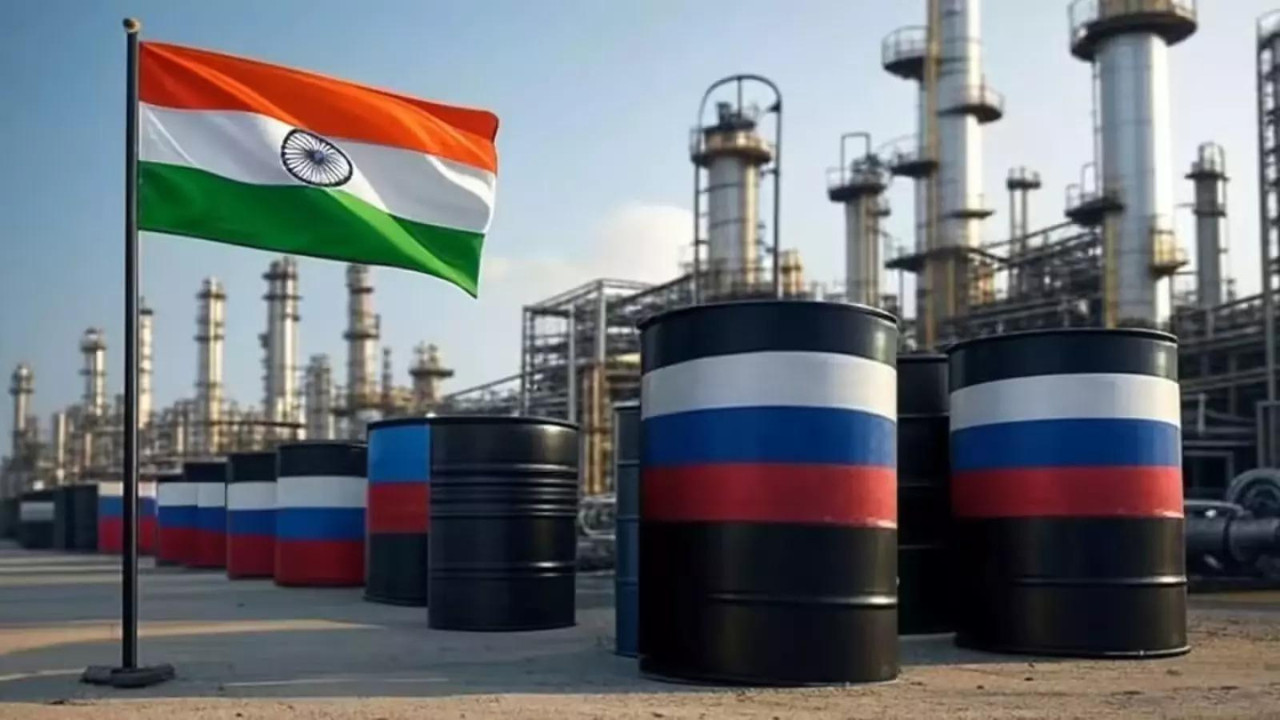
Union minister Hardeep Singh Puri stated that sufficient crude oil is available globally, with India’s refining capacity poised to reach third position. India imports crude from 40 countries, with consumption expected to rise. The government has issued no directive on sourcing oil from Russia, with companies making independent decisions.
Navigating the Energy Maze: How India’s Securing a Stable Crude Oil Future
The world of energy feels a little like a rollercoaster these days, doesn’t it? Geopolitical tensions, fluctuating prices, and the ever-present push for sustainable alternatives all contribute to a sense of constant motion. But amidst this turbulence, India is quietly charting a course towards energy security, a goal made all the more crucial in our interconnected global landscape.
Union Minister Hardeep Singh Puri recently offered a reassuring perspective on India’s crude oil supply, emphasizing the stability of the global market despite ongoing disruptions. His message? India is proactively navigating the complexities of the energy sector, ensuring a reliable flow of crude oil to meet the nation’s growing demands.
Decoding the Global Crude Oil Picture
It’s tempting to see every headline about geopolitical instability as a harbinger of immediate fuel price hikes. However, the global oil market is more nuanced than that. While events undoubtedly have an impact, the reality is that there’s currently sufficient supply to cushion those blows. This isn’t to say we’re entirely immune to price fluctuations – far from it. But Puri’s comments suggest that India is well-positioned to weather the storm.
The key lies in diversification. India isn’t relying on a single source for its crude oil. Instead, the country is actively pursuing partnerships with a range of suppliers, mitigating the risk associated with over-dependence on any one nation or region. This strategic approach adds a layer of resilience to India’s energy security.

India’s Refining Prowess: A Strategic Advantage
Beyond securing a stable supply of crude, India is also boosting its own refining capacity. This is a crucial element in the energy independence equation. By processing crude oil domestically, India reduces its reliance on imported refined products, adding another layer of control over its energy future.
The country’s refineries are not just churning out gasoline and diesel, though. They’re also playing a vital role in producing essential petrochemicals, which are the building blocks for countless industries, from plastics to pharmaceuticals. This makes India’s refining sector a key pillar of its economic growth.
The Ethanol Revolution: Fueling a Greener Future
Let’s talk about ethanol. India’s blending program is not just about reducing reliance on imported crude oil; it’s also a powerful step towards a cleaner environment. By incorporating ethanol into gasoline, India is lowering its carbon emissions and supporting its agricultural sector.

The numbers speak for themselves. India has made significant strides in increasing ethanol blending rates, with ambitious targets for the coming years. This commitment to biofuels demonstrates a proactive approach to sustainable energy, positioning India as a leader in the global transition towards cleaner fuels. Consider exploring related content about [India’s renewable energy initiatives](internal-link-to-renewable-energy-article).

Geopolitical Strategy and Long-Term Vision
Securing energy isn’t just about today’s prices; it’s about tomorrow’s stability. India’s active engagement in international energy forums and its pursuit of strategic partnerships are all aimed at ensuring a reliable energy future. These diplomatic efforts, coupled with investments in domestic refining and renewable energy sources, paint a picture of a nation taking charge of its energy destiny.
India’s Energy Independence: A Promising Trajectory
Ultimately, Puri’s message is one of cautious optimism. While the global energy market will likely remain volatile, India is taking concrete steps to mitigate risks and build a more secure and sustainable energy future. The combination of diversified supply chains, enhanced refining capacity, and a strong push for alternative fuels like ethanol, positions India well to navigate the complexities of the global energy landscape and achieve its long-term energy goals. This proactive approach makes India a compelling case study in energy resilience.