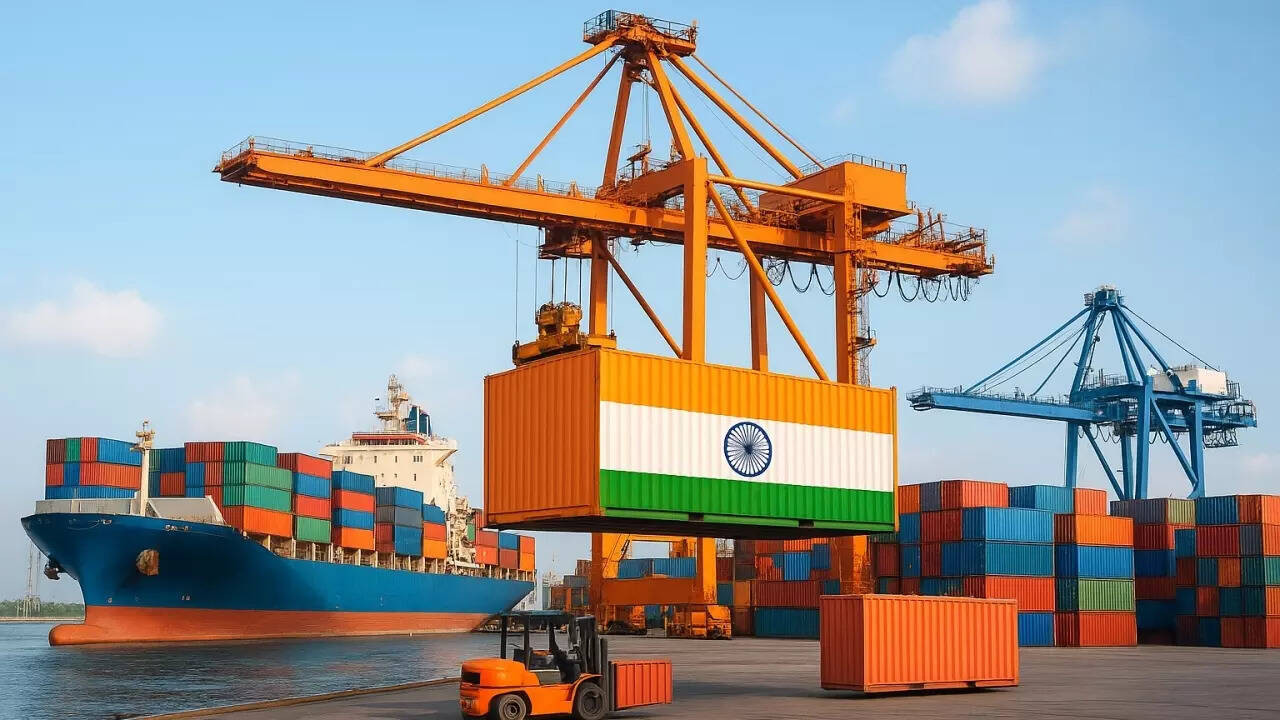
India’s Auto Industry: Shifting Gears and Conquering the Globe
For years, the Indian automotive market has been a battleground. Intense competition, fluctuating consumer preferences, and evolving regulatory landscapes have kept manufacturers on their toes. But while some companies struggle to gain traction domestically, a fascinating trend is emerging: India-made cars are making a serious splash on the global stage. This isn’t just a story of exporting surplus vehicles; it’s a testament to the growing sophistication and competitiveness of the Indian auto industry.
From Local Roads to Global Highways: The Rise of Indian Car Exports
Think “Made in India,” and you might conjure images of textiles or spices. But increasingly, you should be picturing cars. Recent data reveals a significant surge in exports, suggesting that Indian manufacturers are finally hitting their stride in international markets. The numbers paint a clear picture: despite domestic challenges, exports are booming.
Several factors contribute to this success. Firstly, cost-effectiveness plays a crucial role. Indian manufacturers have honed their ability to produce high-quality vehicles at competitive prices. This gives them a significant edge in markets where affordability is paramount. Secondly, the quality of vehicles has improved drastically. Gone are the days of purely utilitarian cars; now, manufacturers are churning out models with advanced technology, stylish designs, and enhanced safety features, making them attractive to a wider range of international consumers.
The Sweet Spot: Identifying Key Export Markets
So, where are these Indian-made vehicles finding their homes? While specific figures fluctuate, certain regions stand out. Markets in Africa, Latin America, and Southeast Asia are proving particularly receptive. These regions often have similar consumer demands to India – a need for reliable, affordable, and fuel-efficient vehicles. Moreover, the increasing diaspora in countries like USA, Canada, and UK provide an existing market for cars that are ‘Made in India’.

Furthermore, the strategic geographic location of India allows for relatively easy access to these markets, reducing transportation costs and lead times. This logistical advantage further enhances the competitiveness of Indian exports.

Navigating the Challenges Ahead for Indian Car Exports
While the export story is undoubtedly positive, it’s important to acknowledge the hurdles that remain. Stricter emission standards in developed countries, for example, require continuous investment in research and development to ensure vehicles meet stringent environmental regulations. Competition from established global players is fierce, and maintaining a competitive edge requires constant innovation and adaptation.
Moreover, geopolitical uncertainties and fluctuating currency exchange rates can impact export volumes and profitability. Indian manufacturers need to develop robust risk management strategies to mitigate these potential challenges. Despite these hurdles, the momentum is clearly in favor of increased Indian car exports.

The Road Ahead: What’s Next for India’s Automotive Industry?
The growing success of Indian car exports is not just a win for manufacturers; it’s a win for the entire Indian economy. It creates jobs, drives technological innovation, and enhances India’s reputation as a manufacturing powerhouse. To sustain this growth, continued investment in research and development, infrastructure improvements, and supportive government policies are crucial.
The automotive industry in India is at a crucial turning point. By focusing on innovation, quality, and customer satisfaction, Indian manufacturers can solidify their position as major players in the global automotive market. The future looks bright for India-made cars, and the world is watching with interest. You may also be interested in reading about how the Indian government is promoting Electric Vehicle adoption.