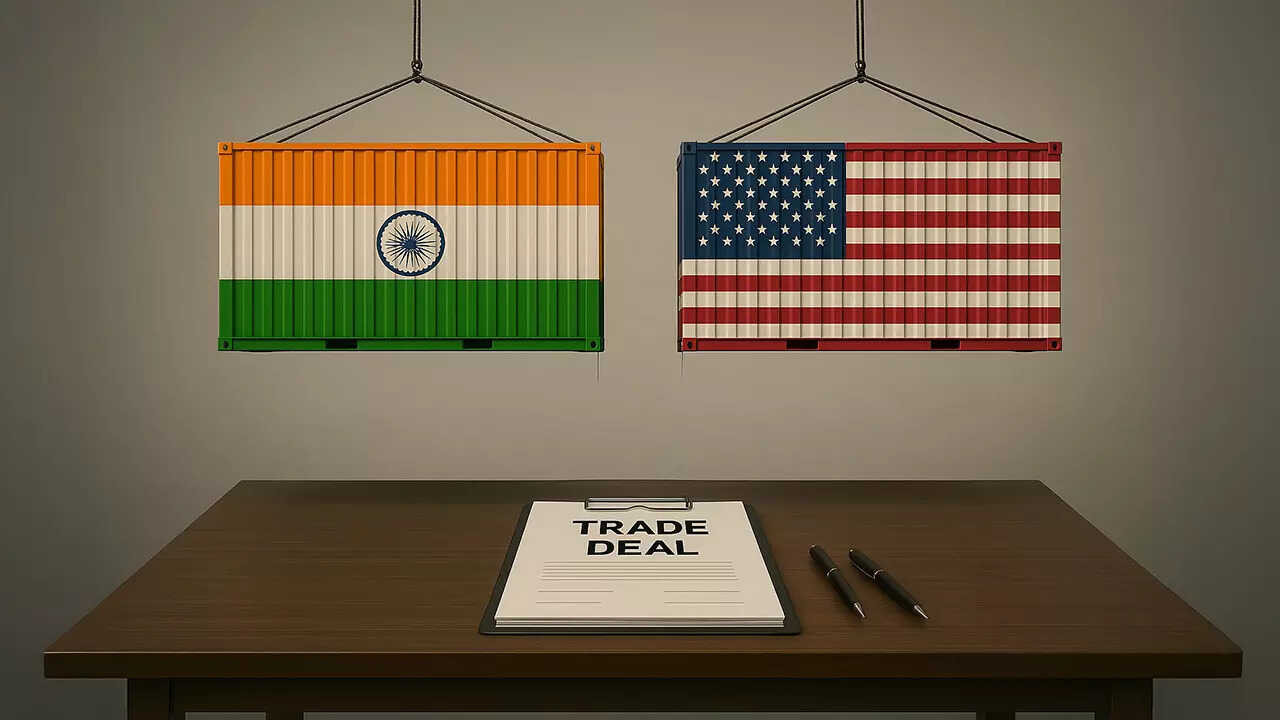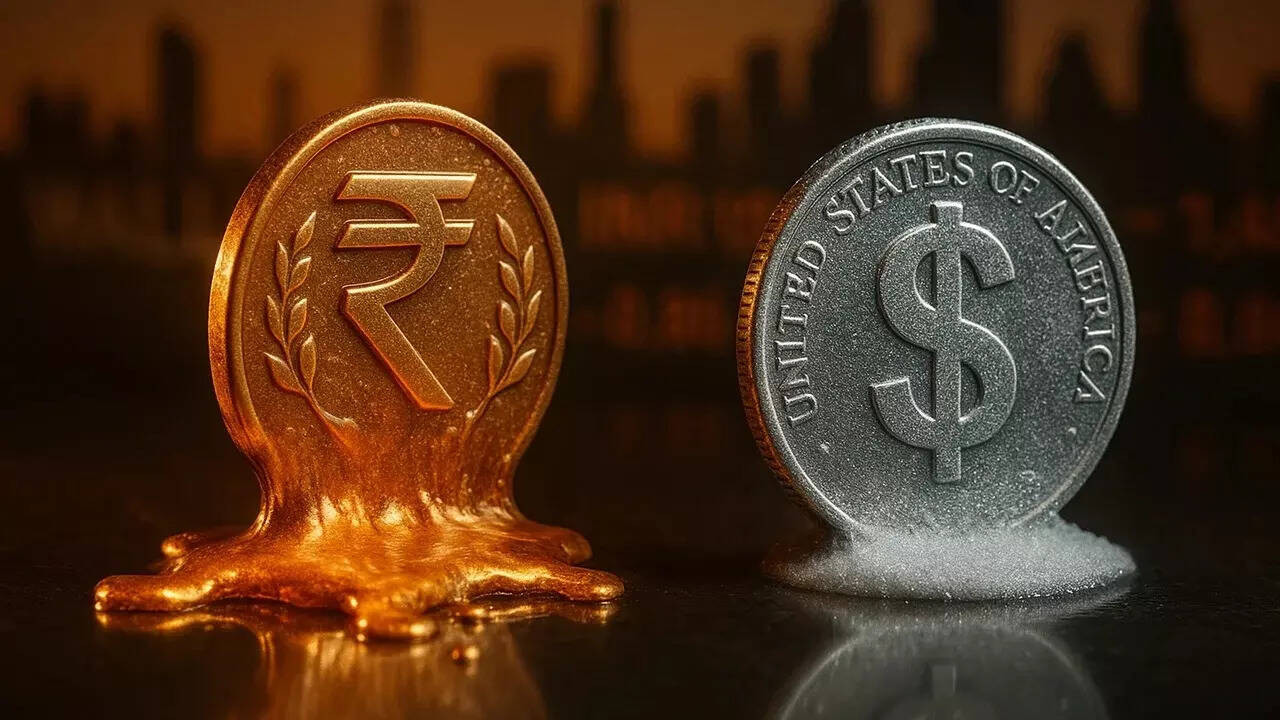
A depreciating rupee beyond Rs 90 against the US dollar is poised to trigger price hikes across consumer electronics, beauty products, and automobiles. This could negate recent GST rate cut benefits, impacting sales momentum. Manufacturers are planning 3-10% increases from December-January to offset rising import costs.
The Rupee’s Slide: Will Your Wallet Feel the Pinch?
The Indian rupee has been on a bit of a rollercoaster lately, and recently it dipped below that psychologically important 90-to-a-dollar mark. What does this mean for you, the everyday consumer? Well, buckle up, because it’s likely to affect the prices of quite a few things you buy. Let’s unpack how a weaker rupee translates into higher costs and what goods and services are most vulnerable.
Imported Goods: Prepare for Price Hikes
The most immediate impact of a depreciating rupee is on imported goods. Think about it: Indian businesses pay for these items in dollars. When the rupee weakens, they need to shell out more rupees to buy the same amount of dollars, making the imported goods more expensive. This cost increase invariably gets passed on to the end consumer. Electronics, appliances, and even certain food items that rely on imports are all likely candidates for price adjustments. So, that new smartphone you’ve been eyeing, or that fancy coffee you enjoy – they might just get a little pricier.

Consumer Electronics: Feeling the Squeeze
Consumer electronics, heavily reliant on components and finished products from overseas, are particularly vulnerable. From smartphones and laptops to televisions and gaming consoles, expect retailers to adjust prices upwards. The magnitude of the increase will depend on factors like existing inventory, profit margins, and the pricing strategies of individual brands. However, it’s safe to say that snapping up that gadget you’ve been wanting might be best done sooner rather than later.

The Ripple Effect: Beyond Direct Imports
The impact isn’t limited to just directly imported goods. Industries that rely on imported raw materials or components will also face increased costs. This could include pharmaceuticals, automotive, and even certain segments of the textile industry. These businesses will then need to decide whether to absorb the higher costs, which would eat into their profits, or pass them on to consumers through higher prices. It’s a delicate balancing act. Consider the auto industry: while some cars are manufactured locally, they still rely on imported parts, so those prices could creep up, too. This ripple effect underscores how interconnected the global economy is and how currency fluctuations can have wide-ranging consequences.
Travel and Education: Dollars Cost More
If you’re planning an international trip or have children studying abroad, the weakening rupee will directly impact your budget. Converting rupees to dollars (or other foreign currencies) will now require more rupees, making flights, accommodation, tuition fees, and general living expenses more expensive. This can put a significant strain on families planning overseas education or vacations. Perhaps now is the time to explore domestic travel options or consider budget-friendly travel strategies.
Commodities: A Mixed Bag
The impact on commodity prices is a bit more nuanced. While a weaker rupee generally makes imports more expensive, global supply and demand dynamics also play a crucial role. For example, if global oil prices remain stable or decrease, the impact of the rupee depreciation might be somewhat mitigated. However, if global commodity prices are already high, a weaker rupee will exacerbate the problem, leading to even higher costs for consumers. The ultimate effect on your wallet depends on a complex interplay of these factors.
Inflationary Pressures: The Bigger Picture

The weakening rupee adds to existing inflationary pressures in the Indian economy. While the Reserve Bank of India (RBI) is working to manage inflation through monetary policy, the currency depreciation makes their task more challenging. If the rupee continues to weaken, it could lead to a broader increase in prices across various sectors, impacting household budgets and potentially slowing down economic growth.
Understanding the link between currency exchange rates and your spending habits is key to navigating the shifting economic landscape. Perhaps it’s a good time to review your budget, compare prices before buying, and explore alternatives where possible. And if you’re looking for more ways to manage your finances in a changing economic climate, check out our guide to [smart budgeting strategies](internal-link-to-budgeting-article).
Navigating the Currency Crunch: A Call to Action
The fall of the rupee below the 90 mark is a wake-up call. While the exact extent of the price increases remains uncertain, it’s clear that consumers need to be prepared for potential adjustments in the cost of various goods and services. By understanding the dynamics at play and adopting proactive financial strategies, we can better navigate these challenging economic times.