The Weight of Change: How Semaglutide Shook Up India’s Pharma Rankings
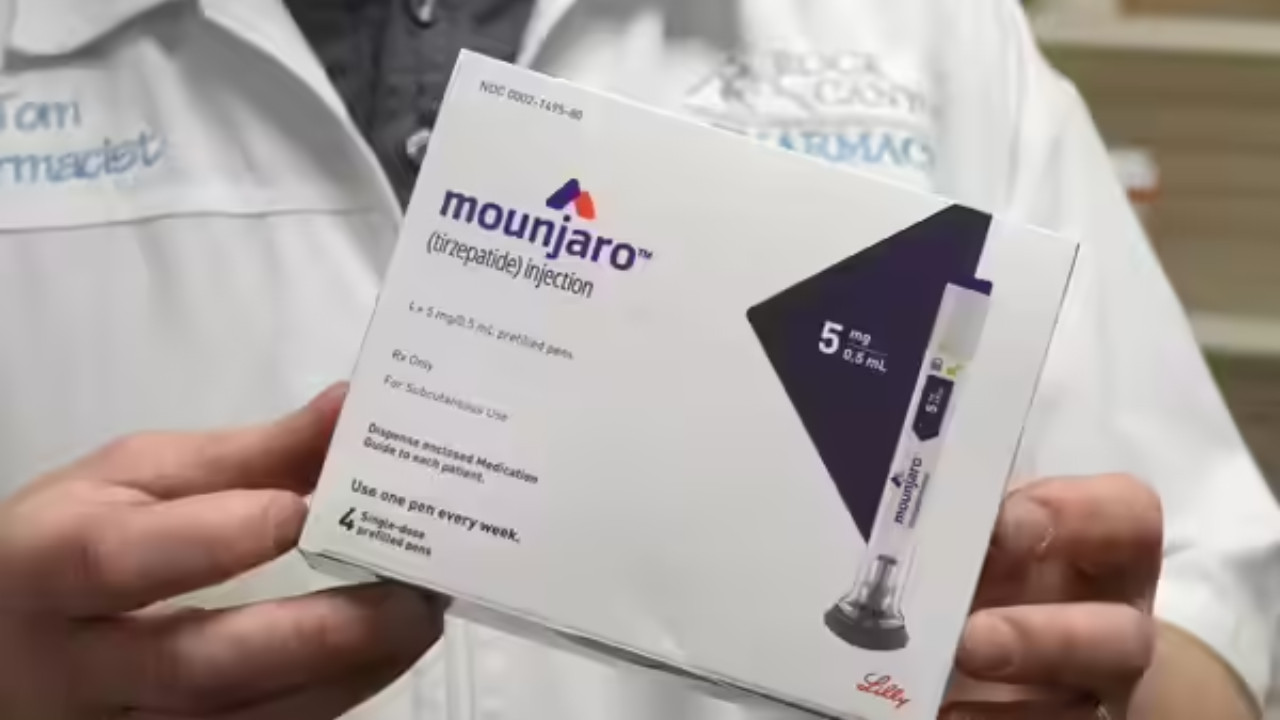
India’s pharmaceutical landscape is constantly shifting, driven by evolving health needs and the introduction of groundbreaking medications. What might surprise you is that the top seller isn’t a life-saving antibiotic, or a cardiac medication, but a drug primarily associated with weight loss. Semaglutide, the active ingredient in medications like Ozempic and Rybelsus, has surged to the top of the charts, eclipsing even established blockbusters like Augmentin. It’s a powerful testament to the growing focus on metabolic health and the increasing demand for effective weight management solutions.
This isn’t just about aesthetics; it reflects a deeper concern about the rising rates of obesity and related health issues in India. Conditions like type 2 diabetes, heart disease, and certain cancers are significantly linked to excess weight, making effective weight management a crucial aspect of preventative healthcare. While lifestyle modifications like diet and exercise remain fundamental, the allure of pharmaceutical interventions, particularly those promising significant results, is undeniable.

Why the Semaglutide Surge?
Several factors contribute to semaglutide’s meteoric rise. First, the drug has demonstrated impressive efficacy in clinical trials, leading to substantial weight loss in many individuals. Semaglutide mimics a naturally occurring hormone that regulates appetite and blood sugar levels, offering a dual-pronged approach to weight management. This has resonated strongly with both doctors and patients seeking impactful solutions.
Second, the increasing awareness of obesity as a chronic disease, rather than simply a cosmetic concern, has driven demand for medical interventions. As more healthcare professionals recognize the long-term health risks associated with excess weight, they are more likely to prescribe medications like semaglutide as part of a comprehensive treatment plan.

Third, social media has played a significant role in amplifying the drug’s popularity. While this can be a double-edged sword, with the potential for misinformation and unrealistic expectations, the widespread sharing of success stories and before-and-after photos has undoubtedly fueled interest and curiosity.
Finally, the availability of different formulations, including both injectable and oral options, has increased accessibility and convenience for patients. Rybelsus, the oral form of semaglutide, offers a needle-free alternative that appeals to those hesitant about injections. This choice empowers patients and likely contributes to greater adherence to treatment. You can also read more about other advancements in diabetes management on our site.
The Impact on the Indian Pharma Market
The ascent of semaglutide has profound implications for the Indian pharmaceutical market. It signals a shift in priorities, with metabolic health becoming a major area of focus. This could lead to increased investment in research and development of new weight management therapies, as well as a greater emphasis on preventative care and lifestyle interventions.
This also presents opportunities for Indian pharmaceutical companies to develop and manufacture generic versions of semaglutide, potentially making the drug more affordable and accessible to a wider population. However, it’s crucial that these generics adhere to the same quality standards and undergo rigorous testing to ensure patient safety and efficacy.
A Word of Caution: Not a Magic Bullet
While semaglutide offers a promising tool for weight management, it’s crucial to remember that it’s not a magic bullet. It should be used in conjunction with lifestyle modifications, including a balanced diet and regular exercise, for optimal results. Furthermore, like all medications, semaglutide can have side effects, and it’s important to discuss these with a healthcare professional before starting treatment.

The long-term effects of semaglutide are still being studied, and it’s essential to approach its use with realistic expectations and a commitment to ongoing monitoring. This means working closely with a doctor to develop a personalized treatment plan and addressing any potential side effects promptly.
The dominance of a weight loss medication in India’s pharmaceutical sales is not merely a commercial phenomenon. It is a powerful reflection of evolving health priorities and the increasing demand for effective weight management strategies in the face of rising obesity rates. While the future trajectory of semaglutide remains to be seen, its current impact is undeniable, signaling a significant shift in the Indian healthcare landscape. The challenge now lies in ensuring responsible access, promoting holistic health strategies, and closely monitoring long-term effects to harness the full potential of this groundbreaking medication.