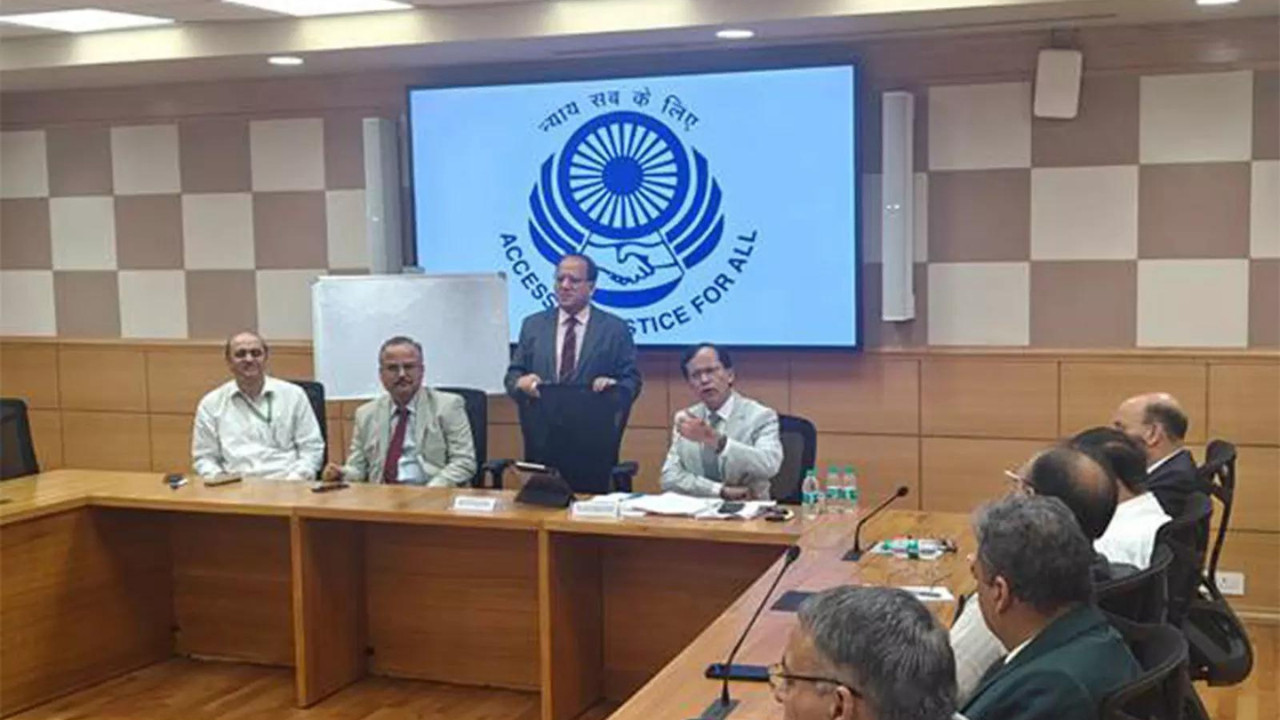
The Department of Financial Services, with the Supreme Court’s MCPC, recently conducted a 40-hour mediation training for DRT officers and public sector bank executives. Held in September, the programme highlighted alternative dispute resolution’s growing importance in the financial sector. Participants learned mediation fundamentals, negotiation, and dispute resolution techniques under RDB and SARFAESI Acts, receiving widespread appreciation for the initiative.
Beyond the Gavel: How Mediation is Changing Debt Recovery in India
For years, the Debt Recovery Tribunals (DRTs) in India have been the primary battleground for financial institutions seeking to recover outstanding loans. But the landscape is shifting. Imagine a system where negotiation and understanding replace adversarial courtroom drama. That’s the promise of mediation, and it’s becoming a key part of the DRT process.
The Department of Financial Services (DFS), recognizing the potential of alternative dispute resolution, has joined forces with a Supreme Court-appointed panel to equip DRT officers with specialized mediation training. It’s more than just a workshop; it’s a strategic move to reshape how debt disputes are handled, prioritizing amicable settlements over protracted legal battles.
Why Mediation Matters in Debt Recovery
The traditional approach to debt recovery, while sometimes necessary, can be slow, costly, and ultimately damaging to both lenders and borrowers. Court cases can drag on for years, leaving businesses in limbo and clogging up the judicial system. Mediation offers a faster, more cost-effective, and often more sustainable solution.
Think of a small business owner struggling to repay a loan due to unforeseen economic circumstances. A rigid legal process might push them into bankruptcy, benefiting no one. Mediation, on the other hand, creates a space for open communication, allowing both the lender and the borrower to explore flexible repayment options, restructuring plans, or even partial settlements. This collaborative approach not only increases the chances of recovering a portion of the debt but also preserves the relationship between the parties, potentially paving the way for future business dealings.

The Training Initiative: Building a New Skillset
The collaborative training program is designed to equip DRT officers with the specific skills needed to facilitate successful mediations. This isn’t just about understanding the legal framework; it’s about mastering the art of communication, active listening, and creative problem-solving.
The program likely incorporates elements like:
* Understanding the Psychology of Negotiation: Learning how to identify underlying needs and interests, rather than just focusing on stated positions.
* Facilitation Techniques: Mastering the skills to guide discussions, manage conflict, and help parties find common ground.
* Drafting Settlement Agreements: Ensuring that agreements are clear, legally sound, and enforceable.
* Role-Playing and Simulations: Providing practical experience in handling different types of debt recovery scenarios.
<img src="image-of-drt-officers-in-mediation-training.jpg" alt="DRT officers participating in mediation training to improve their debt recovery skills.”/>
Streamlining the Process and Reducing Backlogs
One of the biggest benefits of integrating mediation into the DRT system is its potential to significantly reduce case backlogs. By resolving disputes through negotiation, DRTs can free up valuable time and resources to focus on more complex or contentious cases. This not only speeds up the overall process but also makes the system more efficient and accessible for everyone involved.

Imagine the impact on the financial sector. Reduced backlogs translate to faster recovery of funds, which can then be reinvested into the economy, fueling growth and creating new opportunities. It’s a ripple effect that benefits not just the lenders but the entire nation. For related reading, see our piece on [Government Initiatives to Support Small Businesses](internal-link).
A Win-Win Approach to Debt Recovery
Ultimately, the move towards mediation in DRTs reflects a broader shift towards a more collaborative and solution-oriented approach to dispute resolution. It recognizes that debt recovery is not just about winning a legal battle; it’s about finding a mutually acceptable solution that benefits both the lender and the borrower. By empowering DRT officers with the skills to facilitate these conversations, the DFS and the Supreme Court-appointed panel are paving the way for a fairer, more efficient, and more effective system of debt recovery in India. This initiative could foster a more supportive environment for businesses, especially those facing financial difficulties.
The emphasis on mediation within the DRT framework represents a progressive step towards a more efficient and equitable financial ecosystem. By prioritizing dialogue and mutually beneficial solutions, this initiative promises to reshape the landscape of debt recovery in India, fostering greater financial stability and promoting a more collaborative approach to resolving financial disputes.