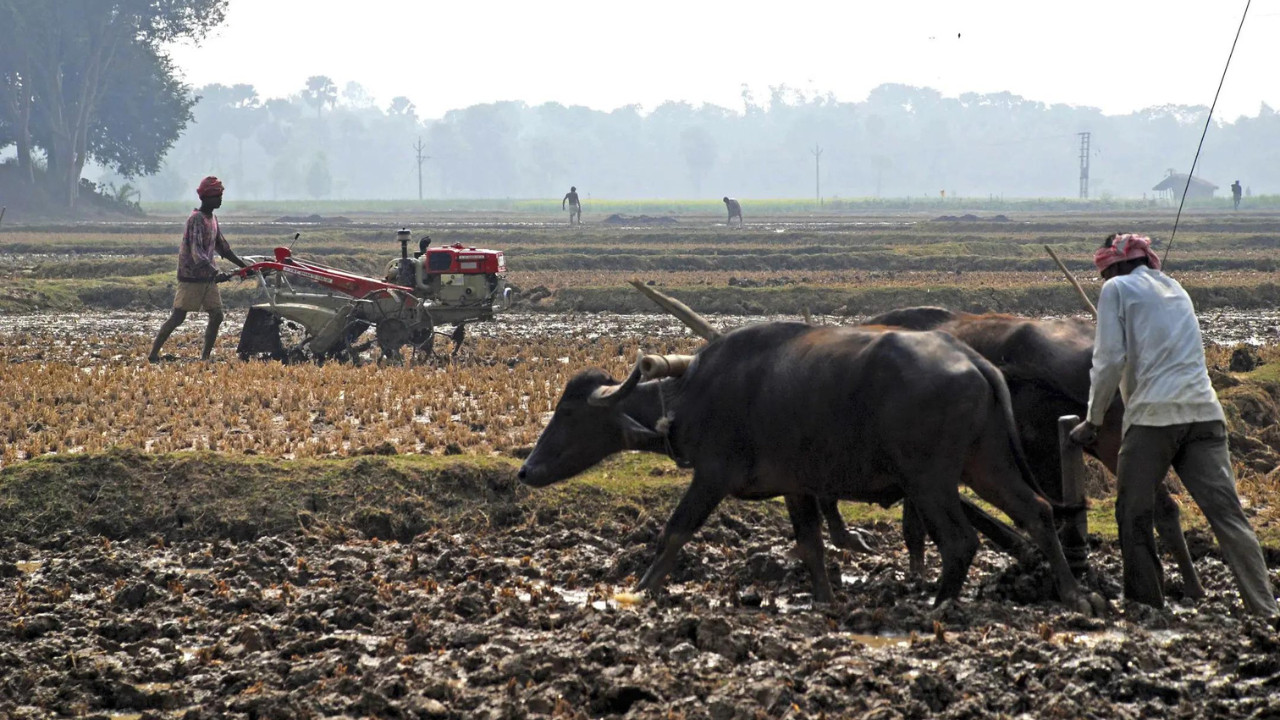
India’s food processing sector attracted investments totaling Rs 1.02 lakh crore during the World Food India 2025 summit. Twenty-six companies, including Reliance, Coca-Cola, and Amul, signed MoUs, promising over 64,000 direct and 10 lakh indirect jobs across various states. This substantial capital inflow reinforces India’s global position in food processing, fostering significant growth and innovation.
India’s Food Processing Sector: A Recipe for Growth?
India’s food processing industry is on the cusp of a potential boom, simmering with investment promises that could reshape the nation’s agricultural landscape and create employment opportunities. A wave of enthusiasm, both domestic and international, points towards a future where farm-fresh produce undergoes innovative transformations, boosting economic prosperity from the field to the consumer’s plate.
The numbers certainly whet the appetite. Whispers in the industry suggest investments reaching a staggering ₹1.02 lakh crore – that’s over $12 billion USD! If these projections materialize, the ripple effects could be significant, particularly in generating much-needed jobs across the country. But what’s fueling this sudden surge of interest in upgrading India’s food production capabilities?
Why the Sudden Investment Rush in Food Processing?
Several factors are converging to create a perfect storm for the food processing sector. Firstly, India’s burgeoning middle class is demanding higher-quality, ready-to-eat, and packaged foods. This shift in consumer preferences creates a compelling market opportunity for companies willing to invest in processing technologies and infrastructure. Forget the days of solely relying on raw produce; convenience and quality are now key.
Secondly, government initiatives are playing a crucial role. Incentives like production-linked schemes (PLI) are designed to encourage investment in specific sectors, including food processing. These schemes often provide financial support and streamlined regulatory processes, making it easier for companies to establish and expand their operations. It’s a strategic move to elevate India’s standing in the global food market.


Thirdly, the sheer scale of India’s agricultural production presents an unparalleled opportunity for value addition. Imagine minimizing post-harvest losses, ensuring better prices for farmers, and creating a more efficient supply chain – that’s the potential that food processing unlocks. Turning surplus crops into marketable products reduces waste and contributes to food security.
Job Creation: The Human Ingredient in the Food Processing Boom
Beyond the impressive investment figures, the potential for job creation is perhaps the most exciting aspect of this development. The food processing industry is labor-intensive, requiring skilled workers in various roles, from operating machinery to managing logistics and quality control. The industry may well act as a magnet, attracting talent back from urban areas to contribute to rural development.
The creation of jobs within food processing plants isn’t the only aspect of this transformation, however. Investment in packaging, transportation, and retail infrastructure further expand the potential for employment, leading to a more robust and well-rounded sector. The industry’s growth may well affect related fields, like advanced agricultural techniques and technology for improved farming practices.
Navigating the Challenges Ahead
Despite the optimistic outlook, challenges remain. India’s infrastructure, particularly in rural areas, needs improvement to support the seamless movement of raw materials and finished goods. Cold storage facilities, reliable transportation networks, and consistent power supply are crucial for ensuring the quality and safety of processed foods.

Furthermore, regulatory hurdles and bureaucratic processes can still be a deterrent for investors. Streamlining approvals, ensuring transparency, and creating a business-friendly environment are essential for attracting and retaining investments in the long run.
To ensure sustained growth, the food processing sector needs to prioritize innovation and technology adoption. Investing in research and development, embracing automation, and adopting sustainable practices will be crucial for remaining competitive in the global market. This will require collaboration between industry players, research institutions, and government agencies. The industry should also work toward improved food safety, reducing waste, and implementing sustainable processing techniques. You can explore how technology is revolutionizing farming practices in another related article.
The Future of Food Processing in India
The potential for India’s food processing sector is immense. With the right investments, infrastructure improvements, and supportive policies, India can transform its agricultural landscape and become a major player in the global food market. As companies set up plants, they promise economic growth and employment opportunities across the country, especially in rural areas. The prospect of adding value to the nation’s agricultural output has caught the attention of many companies that are now eager to transform raw produce into consumer products.
The food processing sector is, therefore, a catalyst for inclusive and sustainable development. By investing in this industry, India can unlock its agricultural potential, create jobs, and improve the livelihoods of millions of people across the country.