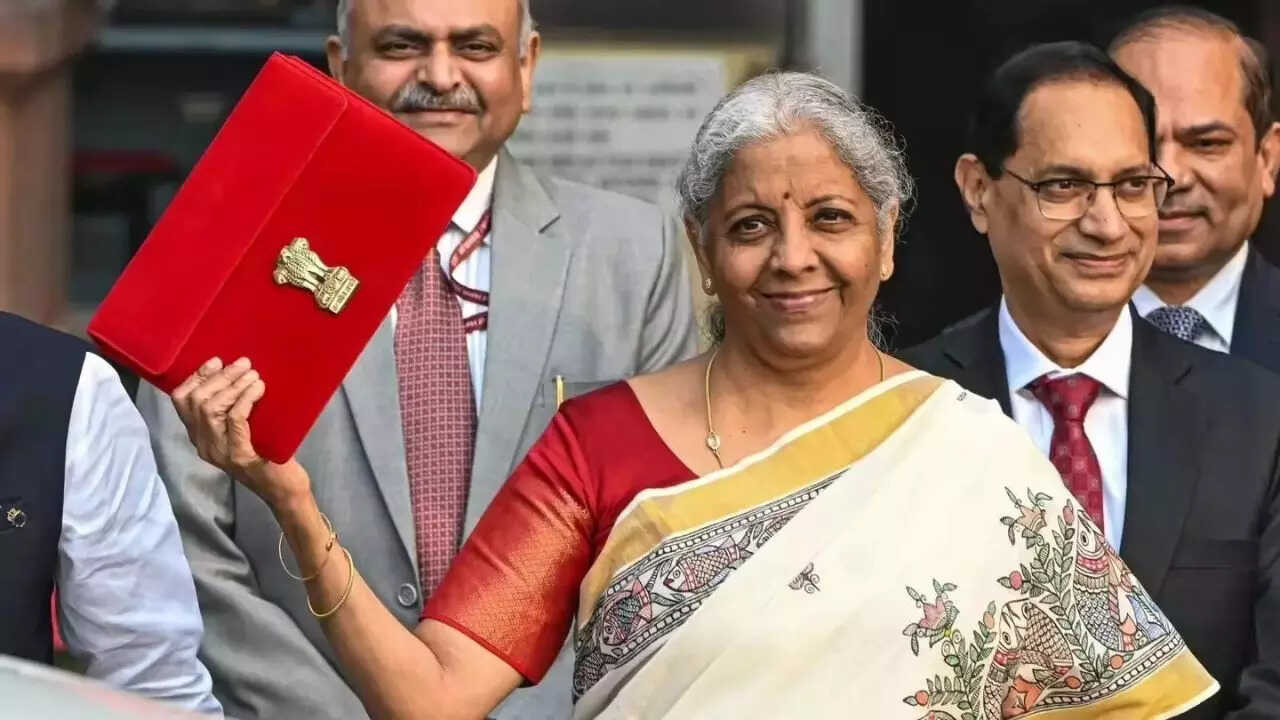
India experienced a significant drop in FDI in August, with net outflows of $616 million due to increased foreign company repatriations. This led to the rupee breaching 88 against the dollar, prompting RBI intervention. Meanwhile, outward remittances under LRS rose, driven by travel and education spending.
A Shifting Tide? Decoding the Recent Dip in Foreign Portfolio Investment in India
For months, India’s economic narrative has been one of robust growth, drawing enthusiastic investors from across the globe. Foreign Portfolio Investment (FPI) poured into the country, fueling market rallies and bolstering confidence. But the latest figures paint a slightly different picture, suggesting a possible pause, or perhaps even a change in the tide. While not a cause for immediate alarm, understanding the dynamics at play is crucial for anyone invested in the Indian growth story.
So, what exactly happened? After a period of sustained inflows, August saw a notable surge in FPI selling, ultimately pushing the net Foreign Direct Investment (FDI) figure into negative territory. This contraction arrives after a four-year peak. It’s a development that has prompted some to ask: Is this a temporary blip, or does it signal a more profound shift in investor sentiment towards India?
One key factor contributing to this shift appears to be global economic uncertainty. Rising inflation, particularly in developed economies, has forced central banks worldwide to adopt hawkish monetary policies. Higher interest rates, while aimed at curbing inflation, also make emerging markets like India relatively less attractive. Investors, seeking safer havens and higher returns in their home markets, may be pulling back some of their investments.


Another element influencing FPI flows is the performance of the Indian rupee. A weaker rupee makes Indian assets cheaper for foreign investors but can also erode returns when those investments are converted back into their home currencies. Fluctuations in the rupee’s value, often driven by global economic events and domestic policy decisions, can therefore impact the attractiveness of Indian markets.
Furthermore, domestic factors also play a role. While India’s economic fundamentals remain strong, concerns about specific sectors or policy decisions could influence investor decisions. Geopolitical events, both within and outside India’s borders, can similarly impact the risk appetite of international investors.
It’s important to remember that investment flows are rarely unidirectional. Periods of strong inflows are often followed by corrections or consolidations. The recent dip in Foreign Portfolio Investment doesn’t necessarily indicate a long-term reversal of the positive trend. India’s long-term growth prospects, driven by a large and growing consumer base, a young and dynamic workforce, and ongoing economic reforms, remain compelling.

The recent surge in FPI selling is not isolated to India. Several other emerging markets have also experienced similar outflows, indicating a broader trend of risk aversion among global investors. This suggests that the factors driving these outflows are primarily external rather than being solely India-specific.
However, India’s ability to weather this period of volatility will depend on several factors. Continued progress on economic reforms, prudent fiscal management, and a stable political environment are crucial for maintaining investor confidence. The government’s ability to attract long-term, strategic investments, rather than relying solely on FPI, will also be key. You can read more about the nuances of Indian economic policy here.
Ultimately, the recent dip in FPI serves as a reminder that even the most promising economies are subject to the ebbs and flows of global capital markets. A more nuanced understanding of the factors influencing investment decisions, both domestic and international, is crucial for navigating the complexities of the modern financial landscape. While the immediate future may bring further volatility, India’s long-term growth story remains very much in play.