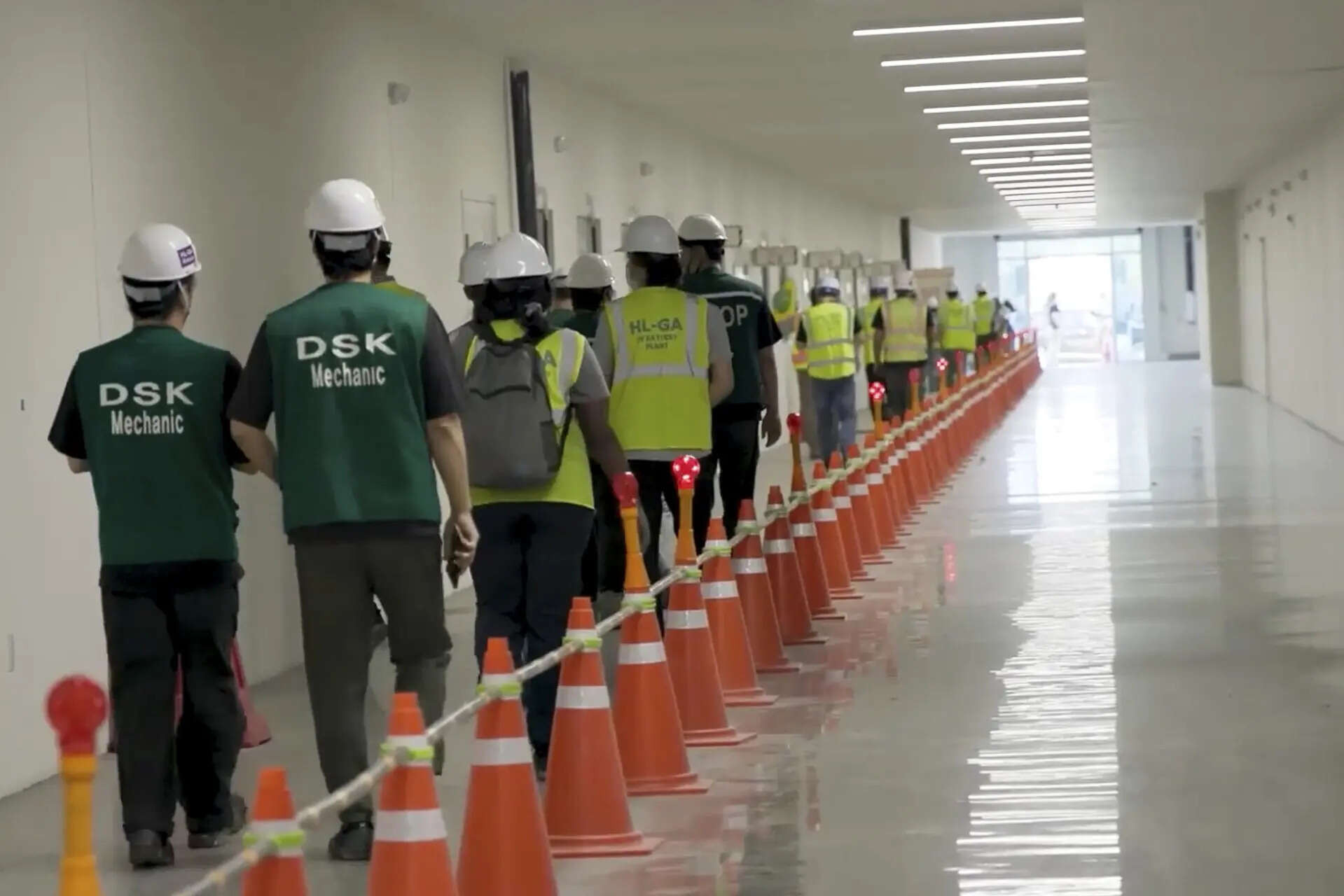
South Korea and the United States finalized an agreement for the release of South Korean nationals detained during an immigration raid at a Hyundai plant in Georgia. Over 300 South Koreans were among the 475 individuals taken into custody during the operation, which targeted a plant under construction for electric vehicle battery production.
The Hyundai Georgia Plant Raid: A Diplomatic Tightrope Walk
The scene sounds like something ripped from a thriller: a forceful raid, arrests, and international tensions simmering beneath the surface. But this wasn’t a movie; it was the reality that unfolded at the Hyundai Motor Group Metaplant America (HMGMA) site in Bryan County, Georgia. The incident, involving the detention of several South Korean nationals, has sparked a flurry of diplomatic activity and raised serious questions about labor practices and investment security in the US.
What exactly happened? Last week, a raid conducted by US authorities at the Hyundai construction site led to the apprehension of multiple South Korean workers. Details remain murky, but the core issue revolves around potential visa violations and concerns about the legality of the workers’ presence and activities at the massive electric vehicle (EV) plant. The situation quickly escalated beyond a simple labor dispute, drawing in the South Korean government and prompting high-level discussions aimed at securing the workers’ release.
Navigating the International Fallout
The South Korean government responded swiftly, engaging directly with US officials to address the situation. The priority was the safe return of its citizens. After intense negotiations, a deal was brokered facilitating the release of those detained, paving the way for their return home. This resolution highlights the complexities involved when foreign investment intersects with local labor laws and regulations. It also serves as a potent reminder of the importance of clear communication and adherence to legal frameworks in international business ventures.

While the immediate crisis appears to be averted, the ripple effects of the raid are far from over. The incident has cast a shadow over Hyundai’s ambitious plans for its Georgia EV plant, a cornerstone of its North American expansion strategy. The plant, intended to be a major hub for EV production and job creation, now faces heightened scrutiny. Beyond Hyundai, this episode has raised broader concerns among South Korean businesses investing in the US, particularly regarding the potential for unforeseen legal challenges and the protection of their workforce.
Understanding the Hyundai Georgia Plant Investigation
The underlying investigation is likely focusing on whether proper visas were obtained for the South Korean workers, and if the activities they were undertaking aligned with the conditions of those visas. Construction projects of this scale often involve specialized expertise, and companies may bring in skilled workers from overseas. However, ensuring compliance with US immigration laws is paramount, and any deviations can lead to serious legal consequences. The image below shows the massive scale of the project, hinting at the complexities involved in managing such a large undertaking.
“`html

“`
This situation underscores the importance of thorough due diligence and robust legal oversight for companies engaged in large-scale international projects. Navigating the intricacies of US labor laws, visa requirements, and local regulations can be daunting, and proactive measures are crucial to mitigate potential risks.

What’s Next for Hyundai and Foreign Investment?
The long-term impact of the raid remains to be seen. Hyundai will undoubtedly be reviewing its internal processes and working closely with legal counsel to ensure full compliance with all applicable laws and regulations. The company’s commitment to transparency and cooperation with US authorities will be vital in rebuilding trust and safeguarding its investment in Georgia.
More broadly, this incident serves as a cautionary tale for other foreign companies investing in the US. It highlights the need for a comprehensive understanding of the legal landscape and a proactive approach to compliance. Establishing strong relationships with local authorities and engaging with labor organizations can also help to foster a more collaborative and transparent environment. You can learn more about the challenges of international business in this piece on [supply chain resilience](/supply-chain-resilience).
The Hyundai Georgia plant raid is a complex situation with far-reaching implications. It underscores the intricate interplay of international relations, labor laws, and foreign investment. Moving forward, open communication, rigorous compliance, and a commitment to ethical labor practices will be essential for Hyundai and other foreign companies seeking to thrive in the US market. The success of this project, and others like it, hinges on navigating these challenges effectively and building strong, sustainable relationships with all stakeholders.