A global energy export race is on, with the US pushing fossil fuels and China leading in clean tech sales. China’s electric vehicles, solar panels, and batteries are dominating global markets, reaching $120 billion in exports by July, surpassing US fossil fuel shipments. Despite falling prices, China’s clean tech volumes are rising, securing its influence.
The Great Energy Pivot: Is the World Trading Black Gold for Green Tech?
The world’s energy landscape is shifting beneath our feet, and it’s not just about where we get our power. It’s about who sells it. For decades, nations rich in fossil fuels held considerable sway. But a fascinating new power dynamic is emerging, one where dominance in clean energy technology is rapidly becoming the new trump card. Is China pulling ahead, and is the U.S. losing ground? The story is more nuanced than it might appear.
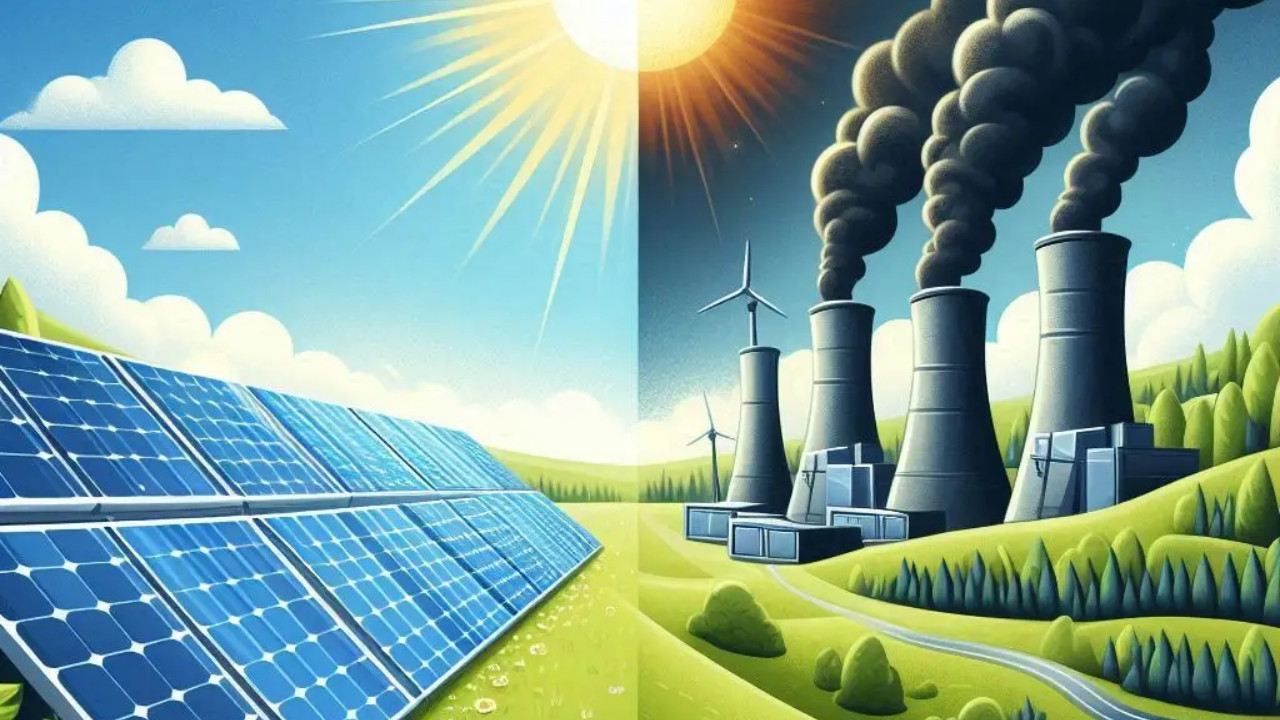
Traditionally, the energy export game was simple: countries with oil and gas reserves exported them to countries that needed them. This created massive economic and geopolitical leverage. Think Saudi Arabia, Russia, and other OPEC nations. But the world is (slowly, but surely) waking up to the urgent need to transition away from fossil fuels. That means demand will eventually dwindle, and the power shifts.
The question now is: who will dominate the new energy export market? Solar panels, wind turbines, batteries, and other clean energy solutions are the commodities of the future. And the early signs point to a significant reshuffling of the deck.

China’s Clean Energy Manufacturing Muscle
China has made no secret of its ambition to become a global leader in renewable energy. While many countries were just starting to dip their toes into the solar and wind markets, China went all in. They invested heavily in manufacturing capacity, creating massive economies of scale. This has allowed them to produce solar panels and wind turbines at prices that are often unbeatable.

The result? China now dominates the global clean energy manufacturing sector. They are the world’s largest exporter of solar panels, wind turbines, and electric vehicle batteries. This gives them a significant competitive advantage as the world transitions to cleaner energy sources. Think of it as controlling the oil wells of the 21st century, only instead of crude oil, it’s silicon and lithium.
The U.S. Plays Catch-Up: Innovation as a Counterweight
While China has focused on scaling up manufacturing, the United States has traditionally been a leader in clean energy innovation. American companies have been at the forefront of developing new solar technologies, advanced batteries, and innovative grid management systems. The problem? Turning that innovation into large-scale manufacturing and exports.
The Inflation Reduction Act (IRA), a landmark piece of legislation, is designed to change that. The IRA provides significant tax credits and incentives for companies that manufacture clean energy technologies in the United States. This is a clear attempt to level the playing field and bring more manufacturing jobs back home.
However, it’s an uphill battle. China’s head start is substantial, and its manufacturing infrastructure is deeply entrenched. The U.S. will need to move quickly and strategically to capitalize on its technological advantages and create a thriving domestic clean energy manufacturing sector. This includes investment in infrastructure, workforce training, and streamlining regulatory processes.
Fossil Fuels Still in the Mix: A Complex Transition
It’s important to remember that fossil fuels are not going away overnight. They will continue to play a significant role in the global energy mix for years to come. Countries that rely heavily on fossil fuel exports will need to adapt to the changing market dynamics. This may involve diversifying their economies, investing in renewable energy projects, or finding ways to reduce their carbon footprint.

The transition to clean energy is a complex and multifaceted process. It’s not just about replacing fossil fuels with renewables. It’s about creating a new energy system that is more sustainable, resilient, and equitable. And it’s about ensuring that the benefits of this transition are shared by all.
The Export Battle: A Race to a Greener Future
The clean energy export battle is just beginning. The stakes are high, and the competition will be fierce. The countries that can successfully develop and deploy clean energy technologies will not only benefit economically but also gain significant geopolitical influence. The U.S. has the innovation, but China has the manufacturing might. The coming years will reveal which approach wins out, and how the global energy landscape will be forever transformed. Consider, for instance, how efforts in domestic energy production might impact the current balance of power. (Internal link to related article on domestic energy production).
The world is pivoting, trading a dependence on finite resources for the promise of renewable abundance. While the path forward is not entirely clear, one thing is certain: the future of energy is clean, and the nations leading the charge in clean energy exports will be the new global power players.