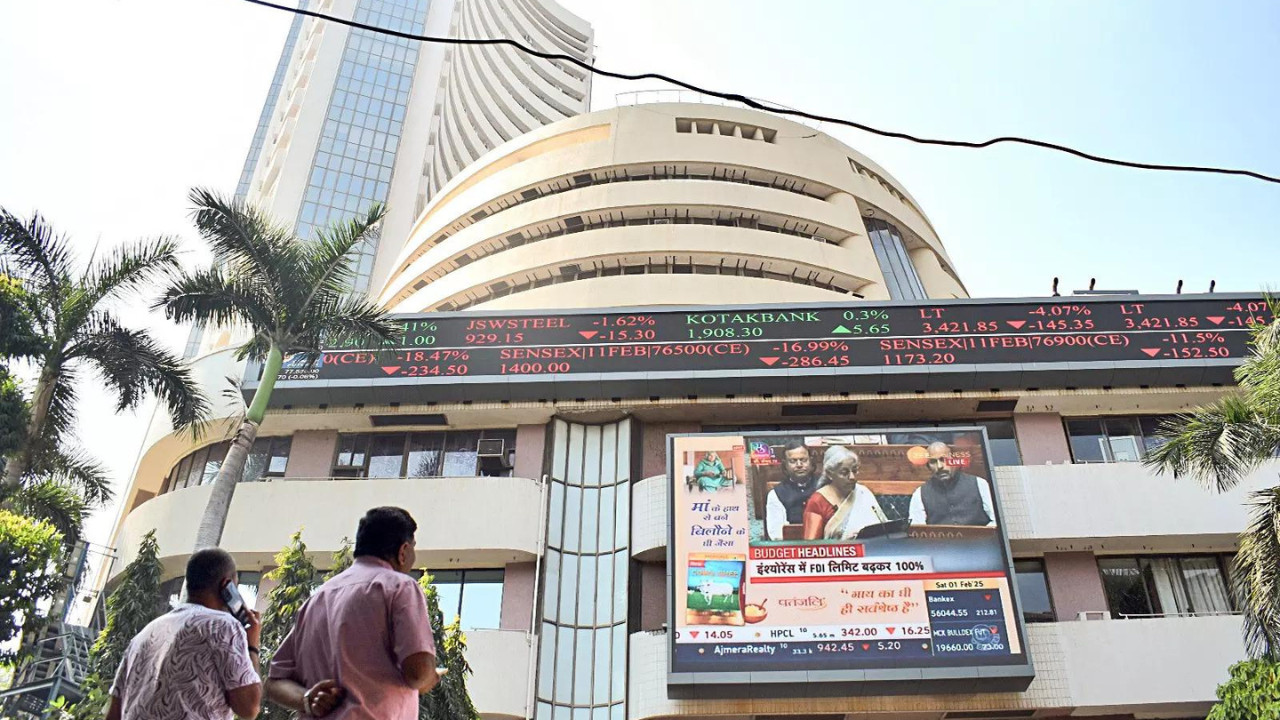
Goldman Sachs Asset Management highlights India as a prime investment opportunity for 2026, citing robust GDP growth, resilient corporate earnings, and a burgeoning consumer base. The report emphasizes India’s youthful demographic, accelerating digital transformation, and its role in global innovation, making it a compelling destination for investors seeking quality growth.
India’s Moment: Why Global Investors are Bullish on the Nation’s Future
The global economic landscape is constantly shifting, a restless ocean of opportunities and challenges. Amidst this flux, one nation is increasingly catching the eye of savvy investors: India. Goldman Sachs Asset Management (GSAM) recently released its emerging markets outlook to 2026, and the spotlight shines brightly on the subcontinent. But what’s fueling this optimism, and why should you be paying attention?
A Golden Opportunity: India’s Macroeconomic Strength
Forget fleeting trends – the GSAM report points to fundamental strengths underpinning India’s growth story. Forget the doom and gloom some predict; India is carving out a robust path for itself. Unlike many nations grappling with economic uncertainties, India boasts a resilient macroeconomic environment. Prudent fiscal policies, a stable currency (relative to other emerging markets), and a proactive central bank are contributing to a climate of stability that appeals to investors seeking long-term returns. India’s central bank has been careful to keep inflation at bay and foster an environment of controlled growth.
But it’s more than just stability. India is also demonstrating impressive growth potential. Infrastructure development, while always a work in progress, is accelerating. This is crucial as better roads, railways, and ports will inevitably unlock further economic activity and improve efficiency across various sectors. It’s a self-reinforcing cycle: improved infrastructure attracts more investment, which in turn fuels further development.
The Digital Dividend: Riding the Tech Wave
India’s digital revolution is no longer a future prospect – it’s a present reality. The country boasts a massive and rapidly growing internet user base, creating a fertile ground for innovation and digital commerce. From e-commerce giants to fintech startups, Indian companies are leveraging technology to disrupt traditional industries and reach new markets.


The government’s “Digital India” initiative is further accelerating this transformation by promoting digital literacy, expanding internet access, and fostering a supportive regulatory environment for tech companies. This focus on technology is not only driving economic growth but also creating new jobs and opportunities for millions of Indians. The rise of India’s tech sector is a compelling reason for global investors to consider investing in India. We discuss related investment strategies in our article about [emerging market investment funds](https://example.com/emerging-market-funds).
Demographic Dynamite: A Young and Growing Workforce
Perhaps the most compelling aspect of India’s growth story is its demographic advantage. With a large and young population, India possesses a vast pool of talent and a growing consumer base. This demographic dividend provides a powerful engine for economic growth.
Unlike many developed nations facing aging populations and shrinking workforces, India has a youthful demographic profile that is expected to drive consumption and investment for decades to come. This means a continued stream of new entrants into the workforce, a large domestic market for goods and services, and a sustained demand for housing, education, and healthcare.
The key will be equipping this young population with the skills and education they need to thrive in the modern economy. The government is investing heavily in education and vocational training programs, but more needs to be done to ensure that all young Indians have the opportunity to realize their full potential.
Navigating the Challenges: Risks and Considerations

While the outlook for India is undoubtedly positive, it’s important to acknowledge the challenges. Infrastructure gaps remain, bureaucratic hurdles can slow down progress, and income inequality is a persistent issue. Moreover, global economic uncertainties, such as rising interest rates and geopolitical tensions, could impact India’s growth trajectory. Investors need to be aware of these risks and carefully assess the opportunities and challenges before investing.
The Road Ahead: India’s Continued Ascent
Despite the challenges, the momentum behind India’s growth story is undeniable. The combination of macroeconomic stability, a thriving digital economy, and a favorable demographic profile makes India an attractive destination for global investors. The GSAM report simply reinforces what many have already begun to recognize: that India is poised to become a major force in the global economy in the years to come.
This isn’t just about short-term gains; it’s about long-term potential. India is building a foundation for sustainable economic growth that could transform the country and the world. While caution and due diligence are always necessary, the signs point to a future where India plays an increasingly prominent role on the global stage. It suggests a strategic opportunity for investors willing to look beyond short-term volatility and embrace the long-term prospects of this dynamic nation.