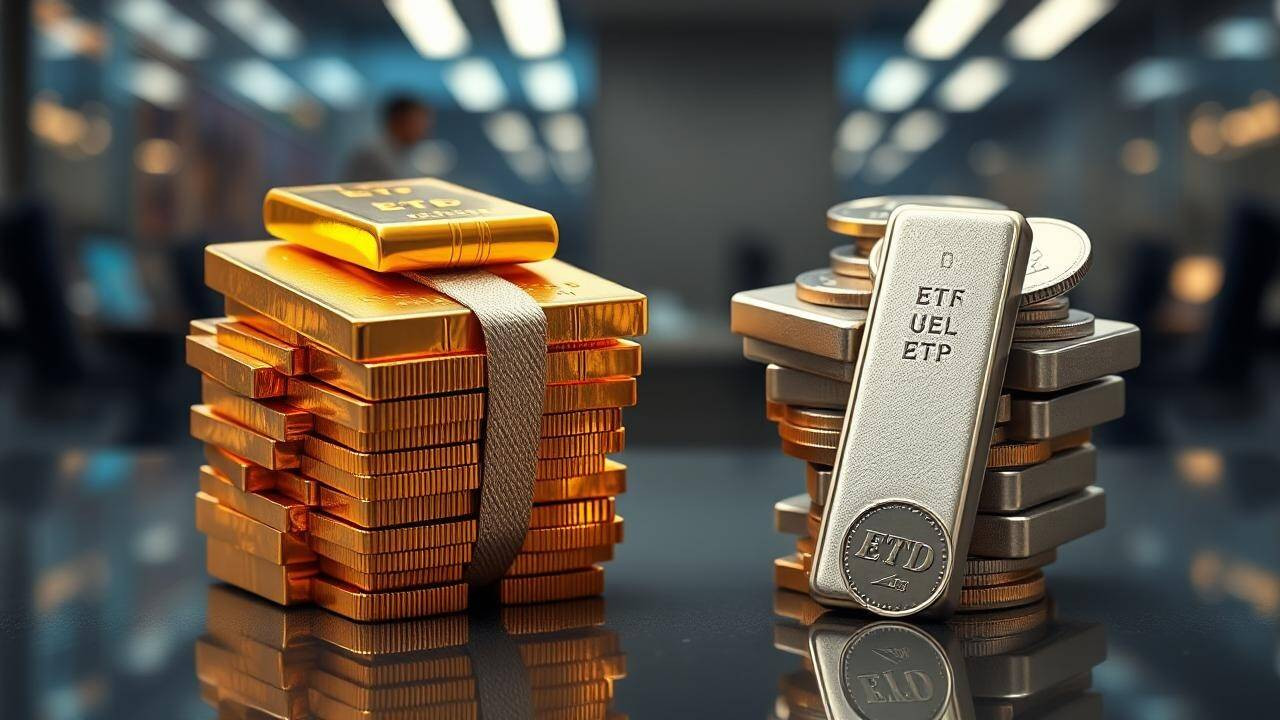
Gold and silver ETFs experienced a significant downturn, with gold down over 6% and silver nearly 9%. Experts advise a long-term perspective and systematic investment plans (SIPs) to navigate volatility. While gold is seen as a debt alternative, silver’s long-term potential is viewed as weaker. Despite recent dips, both metals show strong historical returns.
Gold and Silver ETFs: Is the Glitter Gone?
Remember when gold and silver ETFs were the hot ticket? Seemed like everyone was piling in, chasing the allure of precious metals and a safe haven in uncertain times. But lately, things have cooled off. The shine, some might say, has dulled. So, what’s happening with these once-popular investment vehicles, and should you be buying the dip, holding steady, or running for the hills?
A Shift in Investor Sentiment
The initial frenzy surrounding gold and silver ETFs was driven by a potent cocktail of factors: economic uncertainty, inflation fears, and geopolitical tensions. Investors flocked to these metals, traditionally viewed as stores of value, seeking refuge from market volatility. But as economic conditions have shifted and alternative investment opportunities have emerged, the appetite for gold and silver ETFs seems to be waning. We’re seeing money flow out, suggesting investors are redeploying their capital elsewhere – perhaps enticed by resurgent stock markets or the high yields offered by bonds.
Why the Drop in Popularity?
Several factors are contributing to this shift. The global economy, while still facing challenges, isn’t experiencing the same level of acute crisis that fueled the initial surge in precious metal investments. Moreover, rising interest rates are making fixed-income assets more attractive, drawing investors away from non-yielding assets like gold and silver. Finally, the strong performance of equities in some markets has tempted investors to chase higher returns, even if it means taking on more risk. This has directly affected the perceived attractiveness of gold ETFs.

The Case for Holding On
Despite the recent downturn, it’s crucial to remember that gold and silver still have a role to play in a well-diversified portfolio. They can act as a hedge against inflation and currency devaluation, and provide a buffer during times of geopolitical instability. For long-term investors who already own gold and silver ETFs, panic selling is rarely a wise move. Instead, consider your overall portfolio allocation and risk tolerance. If your allocation to precious metals is still within your target range, holding on may be the best course of action.
Should You Buy the Dip?
This is the million-dollar question. The answer, of course, depends on your individual circumstances. If you’ve been waiting for a more attractive entry point, the recent price declines may present an opportunity. Buying low and selling high is the name of the game, after all. However, it’s essential to conduct thorough research and understand the risks involved. Consider the long-term outlook for gold and silver, as well as your own investment goals and time horizon. Don’t pour all of your capital into gold and silver ETFs; consider how they fit in with the rest of your holdings.
Looking Ahead: Factors to Watch
The future performance of gold and silver ETFs will depend on a variety of factors, including inflation rates, interest rate policies, geopolitical events, and overall economic growth. Keep a close eye on these indicators to make informed investment decisions. For example, a resurgence of inflation could rekindle investor interest in gold and silver, while further interest rate hikes could put downward pressure on prices.


Beyond ETFs: Other Ways to Invest in Gold and Silver
It’s also worth remembering that gold and silver ETFs aren’t the only way to gain exposure to precious metals. You could invest in physical gold or silver bullion, purchase shares in mining companies, or explore other types of commodity funds. Each of these options has its own advantages and disadvantages, so it’s important to do your homework. You might also want to consider investing in other ETFs that focus on different commodities, such as [energy ETFs](internal-link-to-energy-etf-article).
Conclusion: Navigating the Precious Metals Market
The recent performance of gold and silver ETFs serves as a reminder that no investment is immune to market fluctuations. While the initial hype may have subsided, these assets still offer potential benefits for certain investors. By carefully considering your individual circumstances, monitoring key economic indicators, and diversifying your portfolio, you can make informed decisions about whether to buy, hold, or sell your gold and silver ETF holdings. The key is to avoid knee-jerk reactions and focus on a long-term investment strategy.