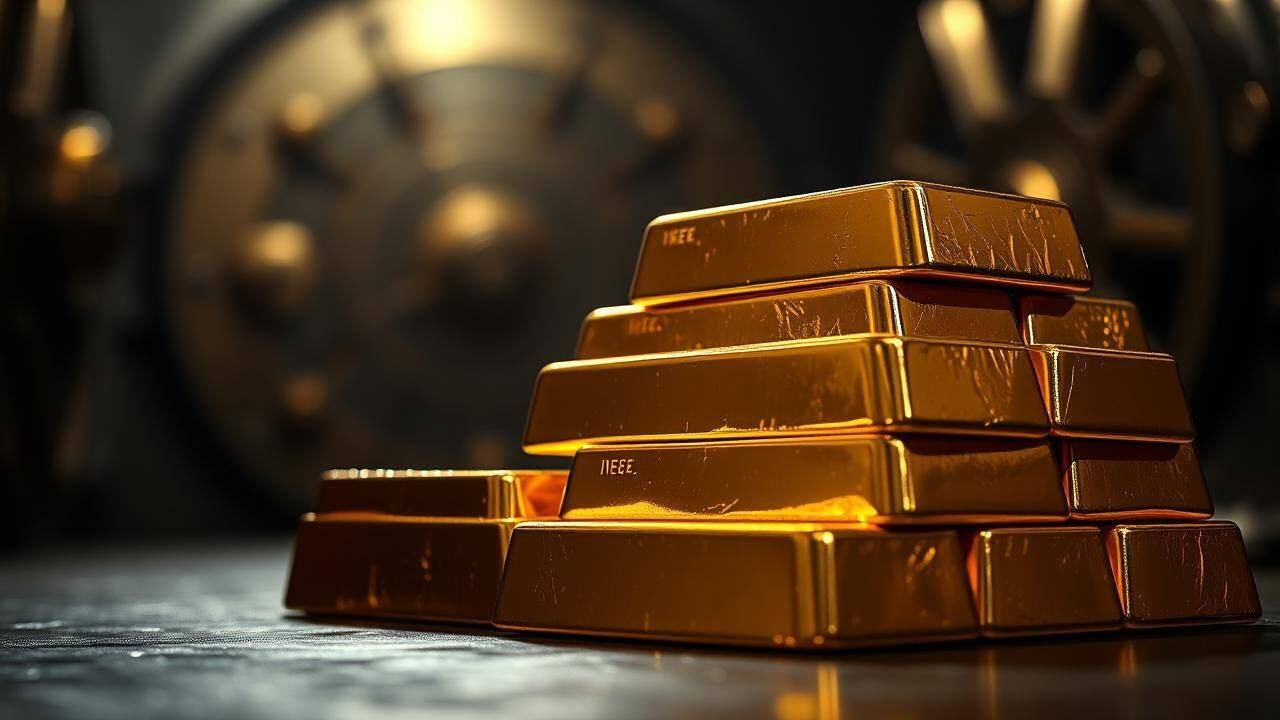
Gold prices are soaring domestically and internationally, driven by a weakening rupee and anticipation of US monetary easing. Local rates jumped significantly as the rupee hit an all-time low. Globally, gold and silver futures firmed up, with investors betting on a US Federal Reserve interest rate cut next week, boosting confidence in the precious metal.
Navigating the Golden Labyrinth: Understanding Today’s Gold Rates
The air crackles with anticipation. Is it a good day to buy? Should you hold, or perhaps even consider selling? The world of gold investments feels a bit like navigating a labyrinth, and right now, everyone’s trying to figure out which way to turn. Gold prices, as always, are a hot topic, and understanding the nuances affecting them is crucial, whether you’re a seasoned investor or just starting to dip your toes into the shimmering waters of precious metals.
So, let’s decode what’s happening with gold prices across India. As of today, December 3rd, 2025, the rates are painting a fascinating, albeit complex, picture.
City-Specific Gold Price Variations
One thing that always strikes me about the gold market in India is how location matters. It’s not a uniform landscape. The price you pay in Delhi can be noticeably different from what’s quoted in Chennai, Mumbai, or Kolkata. These regional variations are influenced by a multitude of factors: local demand, transportation costs, state taxes, and even the prevailing sentiments of jewelers and bullion dealers in each area.
For instance, if you’re in Delhi, you might be seeing slightly different figures compared to our friends down south in Chennai. Mumbai, the financial powerhouse, often sets its own rhythm, and Kolkata, with its rich history of gold craftsmanship, dances to a slightly different tune as well. These subtle differences highlight the importance of checking local rates before making any decisions.
Decoding the Drivers Behind Gold’s Performance
What’s fueling this price dance? It’s rarely just one thing. The global economic climate plays a massive role. When uncertainty reigns, gold tends to shine as a safe-haven asset. Think geopolitical tensions, volatile stock markets, or concerns about inflation – all of these can send investors scurrying towards gold, driving up demand and, consequently, the price.


Inflation is a particularly interesting driver. Gold is often seen as a hedge against rising prices. The theory goes that as the cost of goods and services increases, the intrinsic value of gold holds steady, preserving your purchasing power. This perception fuels demand, pushing prices higher.
Furthermore, currency fluctuations have a significant impact. The strength of the Indian rupee against the US dollar, for example, directly affects gold prices. A weaker rupee makes gold, which is typically priced in dollars, more expensive for Indian buyers.
Investment Strategies in a Fluctuating Market
Okay, so prices are moving. What do you do about it? This is where things get personal. Your investment strategy should align with your risk tolerance, financial goals, and time horizon.
For those looking to make a quick profit, short-term trading might be tempting. However, this approach is inherently risky, requiring constant monitoring of market movements and a high level of expertise.
A more conservative approach is to view gold as a long-term investment, a store of value that can provide stability to your portfolio over time. This strategy is less about timing the market and more about accumulating gold steadily, regardless of short-term price fluctuations.

Regardless of your approach, due diligence is paramount. Research different investment options, compare prices from reputable dealers, and be wary of deals that seem too good to be true.
Beyond Physical Gold: Exploring Alternative Investment Avenues
It’s also worth remembering that owning gold doesn’t necessarily mean physically holding bars or coins. There are other ways to participate in the gold market, such as gold ETFs (Exchange Traded Funds) and sovereign gold bonds. These offer the advantage of liquidity and ease of storage, while still providing exposure to gold prices. Learn more about investing in precious metals via ETFs on our site.
Looking Ahead: What’s Next for Gold?
Predicting the future of gold prices is a fool’s errand. However, by understanding the key drivers – global economic conditions, inflation, currency fluctuations, and local demand – you can make more informed decisions. Keep a close watch on these factors, stay informed about market trends, and consult with a financial advisor if needed. The golden labyrinth might seem daunting, but with knowledge and careful planning, you can navigate it successfully.
Ultimately, the value of gold transcends mere price fluctuations. It represents a tangible asset, a symbol of wealth, and a hedge against uncertainty. While today’s rates provide a snapshot in time, the long-term story of gold remains compelling.