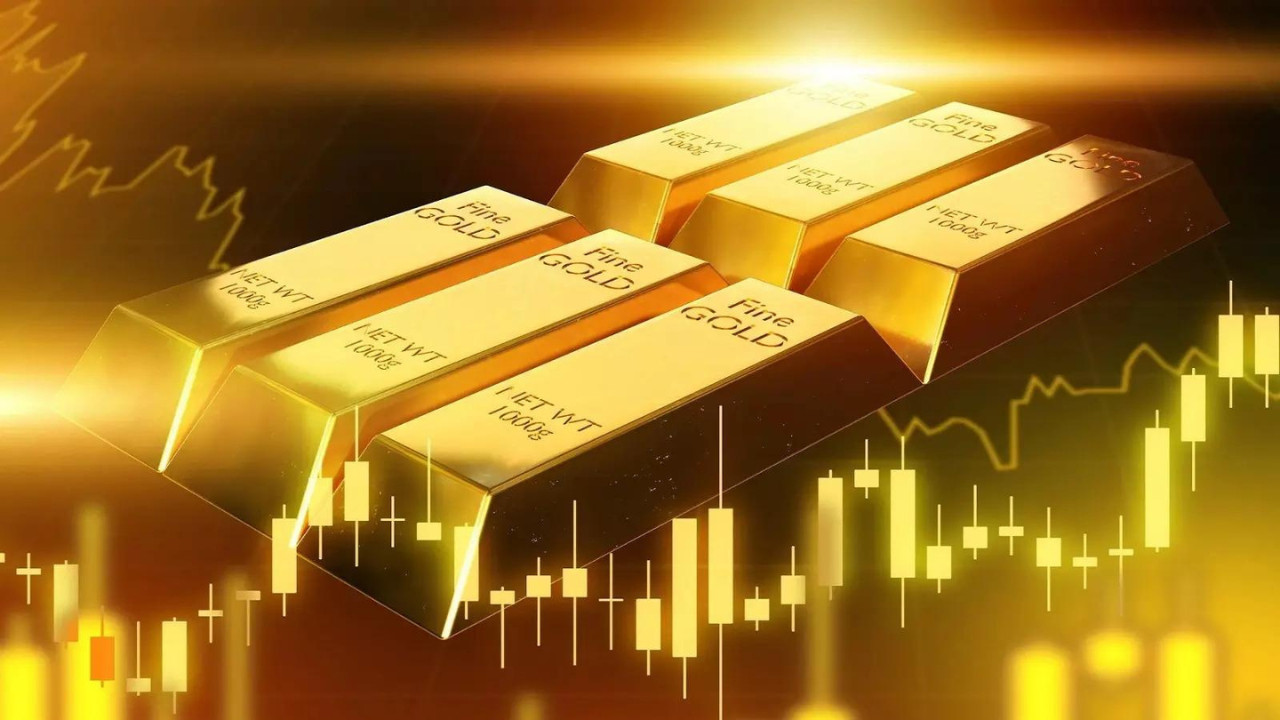
Gold and silver prices retreated on Monday following hawkish remarks from US Federal Reserve officials, dampening hopes of an imminent rate cut. This sentiment shift pulled bullion prices lower after a strong rally last week. Traders are now awaiting crucial US economic data, particularly the non-farm payrolls report, for further policy cues.
Riding the Waves: Understanding Today’s Gold Price Fluctuations
Gold. The very word conjures images of wealth, security, and timeless value. It’s been a cornerstone of economies and a coveted possession for millennia. But in today’s fast-paced world, the gold price is anything but static. It ebbs and flows, reacting to a complex interplay of global factors. So, what’s happening with the yellow metal right now, and what does it mean for you?
The latest market movements reveal a slight dip in gold prices, a subtle shift that has investors and consumers alike taking note. While the fluctuations might seem small on the surface, understanding the underlying currents is crucial for anyone involved in buying, selling, or simply tracking the precious metal. Let’s dive into what’s driving these changes.
Decoding the Dip: City-Specific Gold Price Trends
One fascinating aspect of the gold market is its regional variation. Prices aren’t uniform across the board; instead, they differ based on local market conditions, taxes, and demand. Looking at key metropolitan areas provides a more granular understanding of the trends.
For instance, Delhi, a major hub for gold trading and consumption, often sets the tone for the northern region. Mumbai, the financial capital, reflects the sentiments of the broader Indian market. Down south, Bengaluru’s vibrant economy and tech-savvy population add another layer of complexity. Analyzing these city-specific rates helps to paint a more complete picture of the gold price landscape.


These localized differences underscore the importance of staying informed about regional market dynamics, especially if you’re planning to buy or sell gold in a specific city. Small variations can add up, making a difference in the overall value of your transaction.
Factors Influencing the Price of Gold
What exactly causes these price fluctuations? A multitude of economic and geopolitical factors come into play. Inflation, for example, often drives investors towards gold as a safe haven asset, pushing prices upward. Conversely, a strong dollar can exert downward pressure on gold prices, as the metal is typically priced in US dollars.
Geopolitical instability also plays a significant role. Times of uncertainty and conflict often trigger a flight to safety, with investors flocking to gold as a hedge against risk. Central bank policies, interest rate movements, and even fluctuations in global stock markets can all influence the gold price. It’s a complex web of interconnected forces.
Gold: 24K vs. 22K – What’s the Difference?
When discussing gold, it’s essential to understand the difference between 24K and 22K gold. 24K gold is pure gold, containing 99.9% gold content. Its high purity makes it the most valuable form of gold but also the softest and most pliable, rendering it unsuitable for most jewelry applications.

22K gold, on the other hand, contains 22 parts gold and 2 parts other metals, such as silver, copper, or zinc. This addition of other metals makes it more durable and suitable for crafting intricate jewelry designs. While slightly less pure than 24K gold, 22K gold retains a high level of value and is a popular choice for traditional jewelry. Understanding this distinction is crucial when evaluating gold prices and making purchasing decisions. More resources on different gold purities can be found on our “Investing in Precious Metals” page. [Internal link to relevant page].
Navigating the Gold Market: A Word of Caution
The gold market can be volatile, and predicting future price movements with certainty is impossible. While gold has historically served as a store of value, it’s crucial to approach it as you would any other investment – with careful consideration and a clear understanding of the risks involved. Diversifying your investment portfolio and seeking professional financial advice are always prudent strategies. Keep a close eye on market trends, geopolitical developments, and economic indicators to make informed decisions.
The Future of Gold: A Steady Glow?
While daily fluctuations are a given, the long-term outlook for gold remains positive for many investors. Its enduring appeal as a safe haven asset, coupled with increasing demand from emerging markets, suggests that gold will continue to play a vital role in the global economy for years to come. Staying informed, understanding market dynamics, and making well-considered decisions will be key to navigating the world of gold effectively. Will gold price continue to fluctuate? Only time will tell, but its intrinsic value and historical significance ensure its continued relevance.