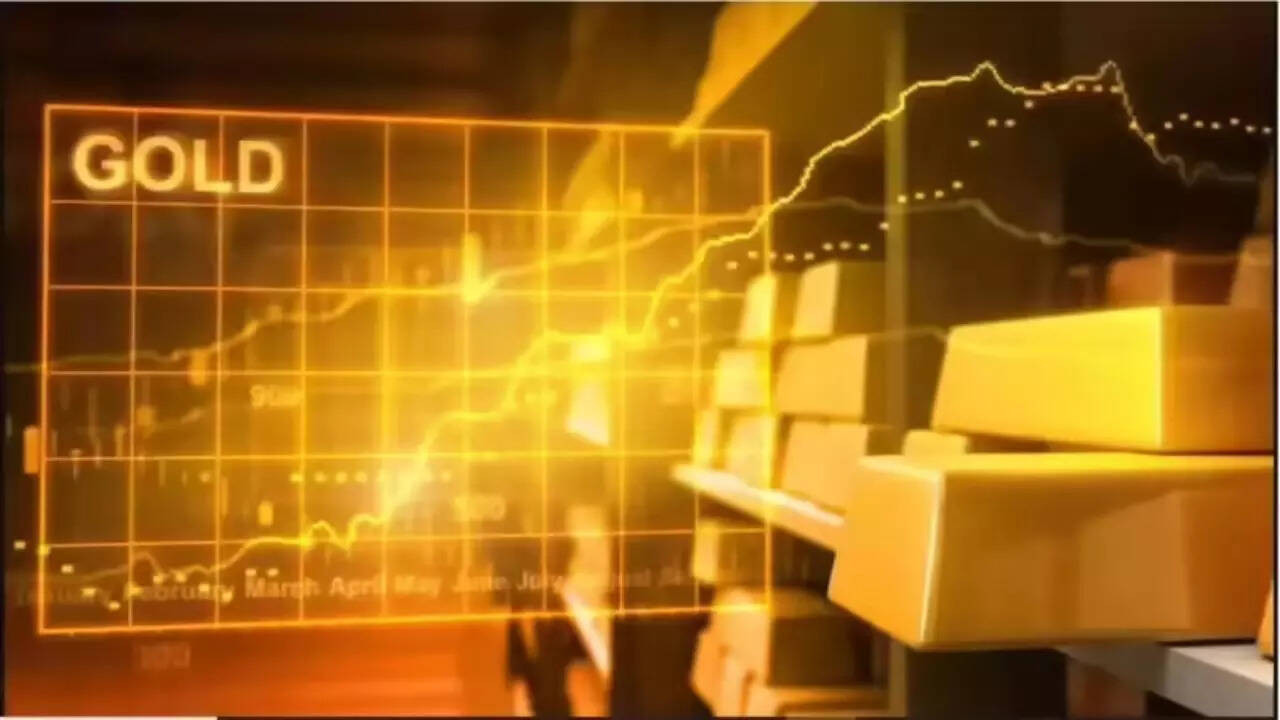
Gold and silver prices surged in futures trade on Friday, buoyed by positive global sentiment and increased expectations of a US Federal Reserve rate cut next month. City-wise, gold prices showed mixed trends, with Delhi and Chennai experiencing gains while Noida, Mumbai, and Kolkata saw slight declines.
Riding the Gold Wave: What’s Shaping the Future of Gold Prices?
Gold. The name itself conjures images of ancient empires, pirate treasure, and secure investments. It’s a commodity that has captivated humanity for millennia, and its value continues to fluctuate in the ever-changing currents of the global economy. So, what’s driving the price of this precious metal right now, and what can we expect in the coming months? Let’s dive in.
Right now, all eyes are on the gold price and its movements across major Indian cities. The figures reveal a fascinating tapestry of regional variations, influenced by local demand, import duties, and even festive seasons. In Delhi, Mumbai, and Chennai, the price is dancing around similar figures, reflecting their status as major metropolitan hubs with established gold markets. Meanwhile, cities like Kolkata, Hyderabad, Ahmedabad, and Jaipur each showcase subtle nuances, hinting at the diverse factors at play within India’s vast and varied economic landscape.

One of the most significant forces impacting gold prices today is undoubtedly global economic uncertainty. From geopolitical tensions brewing in various corners of the world to concerns surrounding inflation and potential recessions, investors often flock to gold as a safe-haven asset during turbulent times. It’s seen as a store of value that can weather the storms of market volatility, offering a sense of security when other investments appear risky.

But it’s not just fear driving the bus. Demand for gold jewelry, particularly in India and China, continues to exert a considerable influence. The cultural significance of gold in these regions, especially during weddings and festivals, creates a consistent and substantial demand base that supports prices even when investment demand cools off. This cultural affinity acts as a bedrock, preventing drastic price plunges and contributing to gold’s long-term stability.
Interest rates also play a crucial role. When interest rates rise, the appeal of holding gold, which doesn’t generate income, diminishes compared to interest-bearing assets like bonds. Conversely, lower interest rates tend to make gold more attractive. The monetary policies of central banks around the world, particularly the US Federal Reserve and the Reserve Bank of India, are therefore closely monitored by gold traders and investors. Any hint of a change in interest rate policy can send ripples through the gold market.
The strength of the US dollar is another key factor to consider. Gold is typically priced in US dollars, so a weaker dollar makes gold cheaper for buyers using other currencies, potentially increasing demand and pushing prices higher. A stronger dollar, on the other hand, can have the opposite effect. Therefore, keeping an eye on currency fluctuations is essential for understanding the dynamics of the gold market.
Supply-side considerations are also worth noting. The amount of gold being mined and entering the market can influence prices. Major discoveries of new gold deposits or disruptions to existing mining operations can impact the overall supply, leading to price volatility. Furthermore, central banks’ gold reserves and their buying or selling activities can also play a role.
So, where does all this leave us? Predicting the future of gold prices with absolute certainty is impossible. However, by carefully analyzing the factors mentioned above – global economic uncertainty, demand for jewelry, interest rates, currency fluctuations, and supply-side dynamics – we can gain a better understanding of the forces shaping the market.

For those considering investing in gold, remember to conduct thorough research and consider your own risk tolerance. Gold can be a valuable part of a diversified portfolio, but it’s not a magic bullet. Understanding the factors that influence its price is crucial for making informed investment decisions. You can find additional insights on managing investment risk [here](link-to-related-article-on-your-site).
Ultimately, the allure of gold persists. Its enduring appeal as a store of value, combined with its cultural significance and sensitivity to global events, ensures that it will continue to be a subject of intense scrutiny and a dynamic element in the global financial landscape. Keep a watchful eye on the indicators discussed here, and you’ll be better equipped to navigate the ever-changing world of gold.