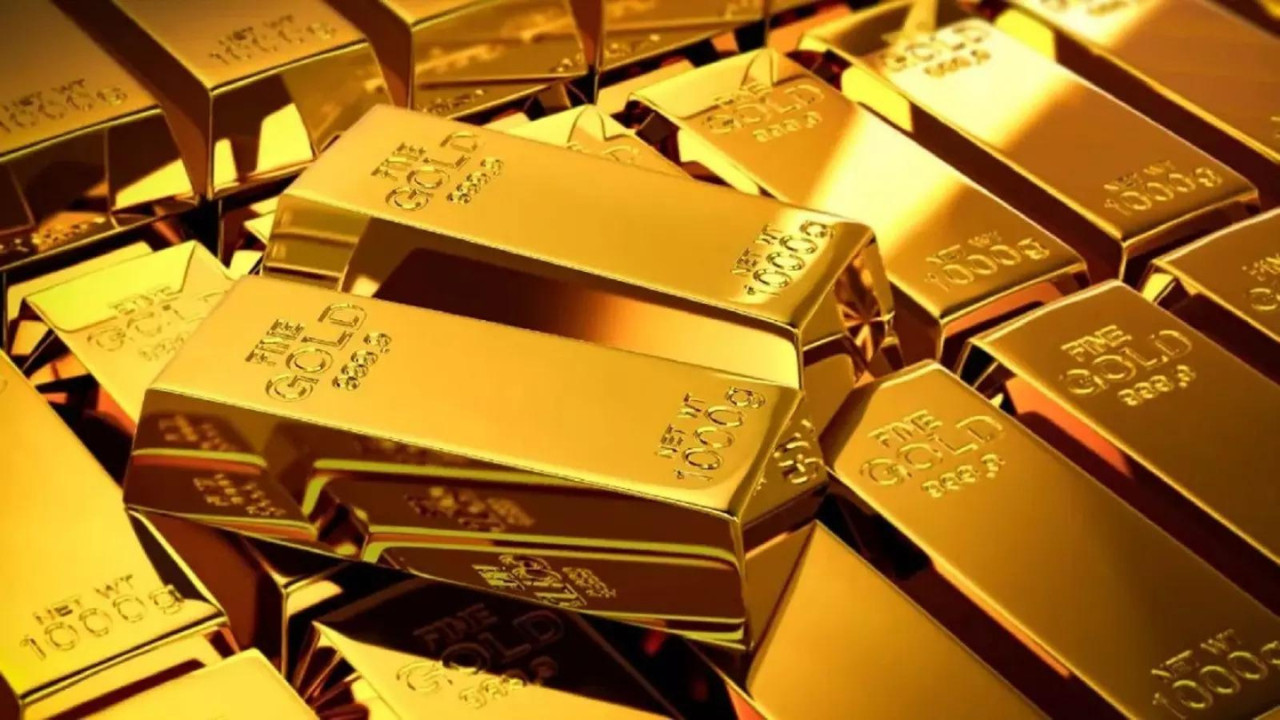
Gold prices are expected to trade within a narrow band as investors await crucial US economic data and Federal Reserve signals on interest rates. Key indicators like GDP and inflation, alongside jobless claims and consumer confidence, will heavily influence market sentiment.
Navigating the Gilded Maze: What’s Next for Gold Prices?
Gold. The very word conjures images of ancient treasures, pirate booty, and Fort Knox. Beyond the allure, however, lies a complex market influenced by global economic tides, geopolitical tremors, and the ever-watchful eye of the Federal Reserve. Lately, the path for gold prices has been anything but straightforward, leaving investors wondering what glitters on the horizon. Let’s delve into the factors currently shaping the market and explore potential future trajectories for the precious metal.
The Allure of Gold in Uncertain Times
Gold has long been considered a safe-haven asset, a beacon of stability amidst stormy seas. During periods of economic uncertainty, investors often flock to gold as a store of value, driving up demand and, consequently, prices. Think of it as a financial security blanket. But this relationship isn’t always a given, and other elements are now strongly influencing the market.
The Fed’s Footsteps and the Dollar’s Dance
One of the biggest influences on gold’s price right now is the dance between the US dollar and the Federal Reserve’s monetary policy. A stronger dollar typically puts downward pressure on gold, as it becomes more expensive for international buyers. Conversely, a weaker dollar can provide a boost.
The Fed’s signals regarding interest rate hikes are particularly crucial. Higher interest rates tend to strengthen the dollar, as they make US assets more attractive to foreign investors. The market is currently parsing every word from Fed officials, trying to anticipate the next move. The central bank’s strategy will heavily influence the sentiment surrounding gold prices.


Adding another layer of complexity, key US economic data releases – inflation figures, employment reports, and GDP growth numbers – can significantly impact both the dollar’s strength and the Fed’s policy decisions. We’re in a period where every data point is scrutinized for clues about the future direction of the economy and, by extension, the path for gold.
Range-Bound Realities: Gold’s Current Holding Pattern
In recent weeks, gold has been trading within a relatively narrow range, reflecting the tug-of-war between these competing forces. The safe-haven appeal is still there, providing a floor, but the strong dollar and the potential for further interest rate hikes are acting as a ceiling.
Several analysts believe this range-bound behavior is likely to persist in the near term, at least until there’s more clarity on the Fed’s future course of action and the overall economic outlook. This means that those hoping for a dramatic price surge – or a steep decline – may have to wait.
Geopolitical Undercurrents and Long-Term Perspectives
While the Fed and the dollar dominate the immediate narrative, it’s important not to ignore the broader geopolitical landscape. Events like ongoing conflicts, trade tensions, and political instability can all trigger safe-haven buying and affect gold. See our other article about diversification of assets for more insights.

Looking further ahead, the long-term outlook for gold remains positive for many investors. Factors such as rising global debt levels, potential currency devaluations, and the ongoing demand from central banks in emerging markets are all seen as supportive.
Decoding the Golden Signals
So, what does all this mean for you? The market for gold prices isn’t always predictable, but understanding the key drivers – the Fed, the dollar, economic data, and geopolitical events – can help you navigate the complexities. The interplay of these elements determines whether gold prices will increase, decrease, or trade sideways.
Ultimately, whether gold deserves a place in your portfolio depends on your individual investment goals, risk tolerance, and time horizon. Consider these factors and the influence they have on gold’s price to make informed decisions.
In conclusion: The future trajectory of gold prices hinges on the confluence of US economic data, Federal Reserve policy, and broader geopolitical currents. While near-term price movement remains uncertain, a vigilant understanding of these market drivers provides an advantage for navigating the gilded maze.