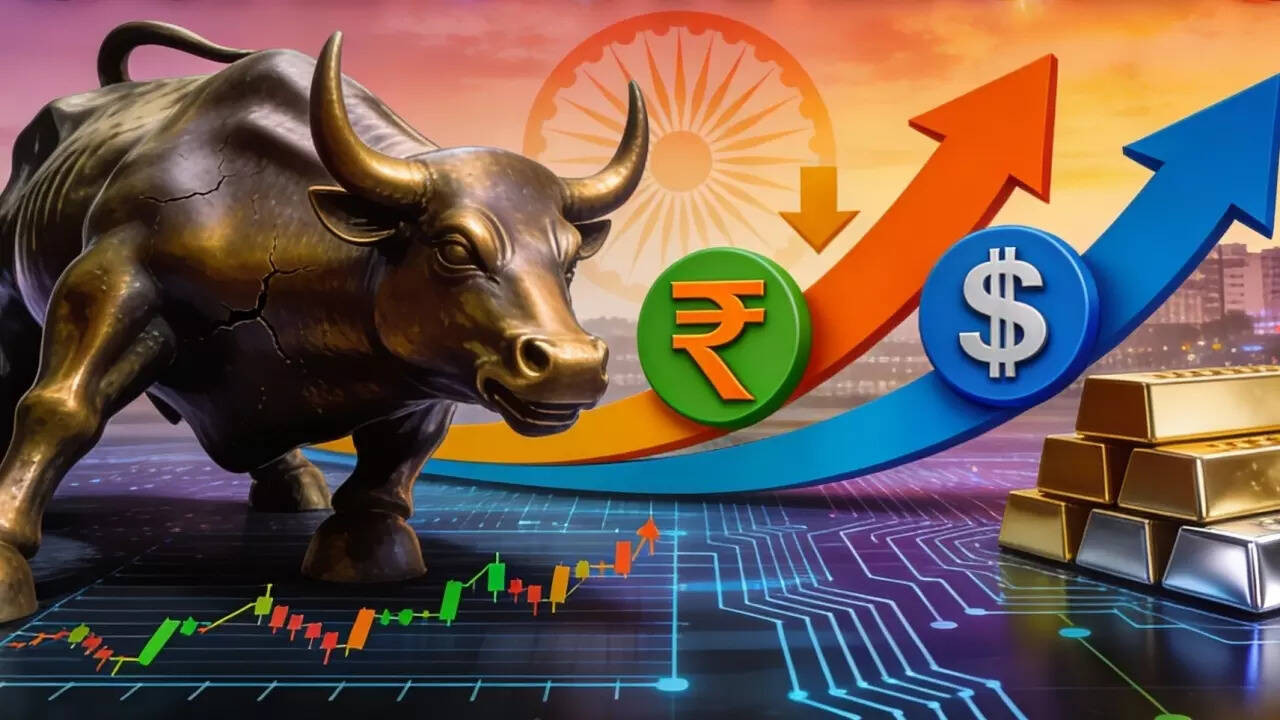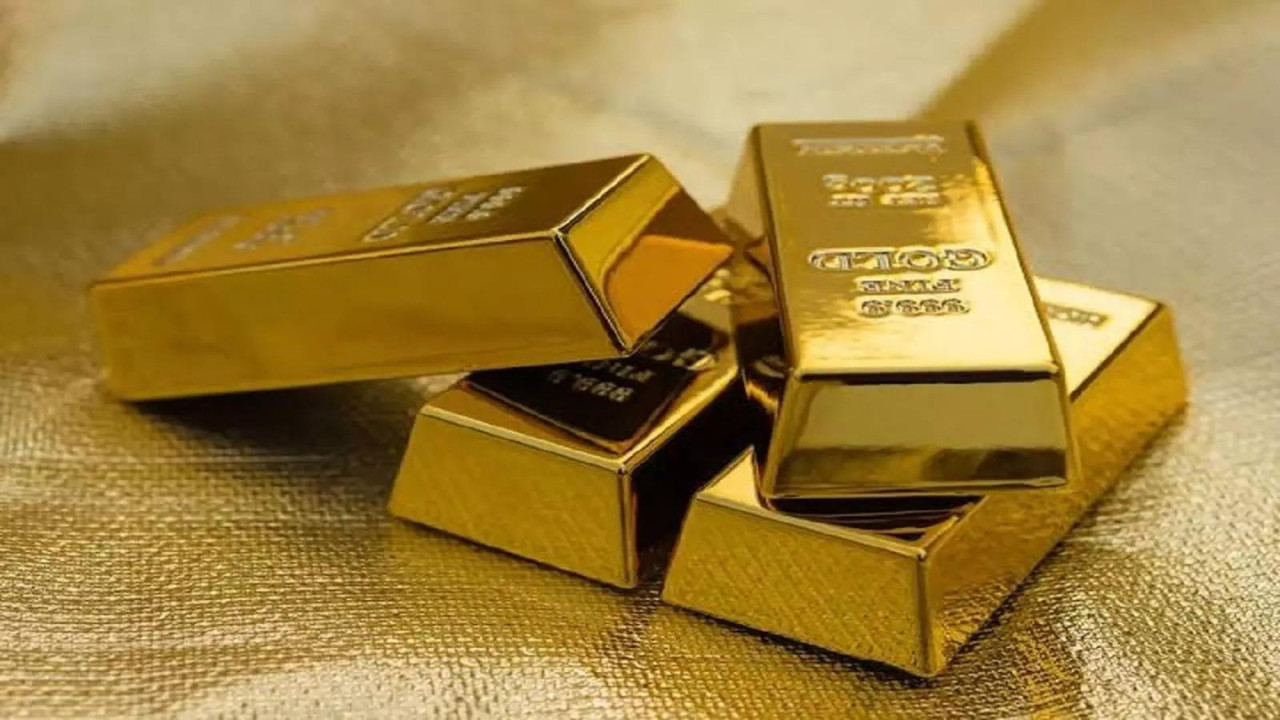
Gold prices in India touched a fresh all-time high of Rs 1,19,500 per 10 grams, fueled by strong global trends and safe-haven buying amidst geopolitical and economic uncertainty. Analysts attribute this surge to bullish international markets and expected US Federal Reserve rate cuts, with prices potentially crossing $4,000 per ounce soon.
Is Gold Really Worth Its Weight Right Now? The Geopolitical Jitters Fueling the Surge
Gold. The shimmering metal has captivated humanity for millennia, a symbol of wealth, power, and enduring value. And right now, it’s making headlines again – big headlines. We’re seeing gold prices soaring to unprecedented heights, leaving many wondering if this is a fleeting bubble or a signal of something deeper. Forget those dusty bullion bars in pirate movies; this is about real-world economic anxieties and the scramble for safe haven assets.
The latest surge has pushed the price of gold to a record ₹119,500 per 10 grams. Yes, you read that right. That’s a substantial jump, and the question on everyone’s mind is: why now?
Decoding the Drivers Behind the Gold Rush
The answer, like most things in economics, is multifaceted. However, a key catalyst appears to be growing geopolitical instability. The world stage feels increasingly precarious, with ongoing conflicts and simmering tensions in various regions. When uncertainty reigns, investors tend to flock to assets perceived as safe havens. Gold, with its long history of maintaining value during turbulent times, fits that bill perfectly. It’s seen as a refuge when traditional markets become too volatile.


Think of it this way: imagine a stormy sea. When the waves are calm, everyone is happy to sail along in their usual boats (stocks, bonds, etc.). But when the storm hits, people start looking for sturdier vessels – something that can weather the rough conditions. For many, gold represents that reliable vessel.
But geopolitical worries aren’t the only factor at play. Central banks around the globe are also influencing gold prices. Many are strategically increasing their gold reserves, diversifying away from the US dollar. This is particularly true of nations seeking greater economic independence and those wary of potential sanctions or political pressure. This institutional demand further bolsters the price of gold, creating a self-reinforcing cycle.
Then there’s the inflation factor. While inflation rates have cooled slightly in some parts of the world, concerns about long-term inflation persist. Gold is often seen as a hedge against inflation, as its value tends to rise when the purchasing power of currencies erodes. In other words, as your money buys less, gold becomes more attractive.
What This Means for You: Investor Implications
So, what does this all mean for the average investor? Is now the time to jump on the gold bandwagon? Well, that depends on your individual investment strategy and risk tolerance.
Investing in gold can provide diversification to your portfolio and act as a buffer against market volatility. However, it’s crucial to remember that gold, like any investment, carries its own risks. Prices can fluctuate, and past performance is not necessarily indicative of future results.

Consider your reasons for investing. Are you looking for a short-term gain or a long-term store of value? Are you comfortable with the potential volatility of the gold market? It’s essential to do your research and consult with a financial advisor before making any investment decisions.
Another factor to consider is how you invest in gold. You could purchase physical gold (bars, coins, jewelry), invest in gold mining stocks, or choose gold-backed ETFs (exchange-traded funds). Each option has its own advantages and disadvantages in terms of liquidity, storage costs, and risk. Understanding these nuances is key to making informed decisions. For example, purchasing physical gold may entail storage costs, while ETFs offer higher liquidity but may track the gold price with some deviation. Learn more about diversifying your portfolio with precious metals.
Looking Ahead: Will the Gold Rush Continue?
Predicting the future of gold prices is a fool’s errand. However, the factors driving the current surge – geopolitical uncertainty, central bank buying, and inflation concerns – are unlikely to disappear overnight. As long as these underlying anxieties persist, gold will likely remain a sought-after asset. The trajectory, though, isn’t a straight line upwards. Dips and corrections are inevitable. Savvy investors will see these as opportunities, while those driven by fear of missing out may face disappointment.
Ultimately, the decision of whether to invest in gold is a personal one. There’s no one-size-fits-all answer. Understanding the factors driving the market and assessing your own investment goals and risk tolerance are paramount. The current surge in gold prices serves as a reminder of the complex interplay between global events, economic anxieties, and the enduring allure of this precious metal.