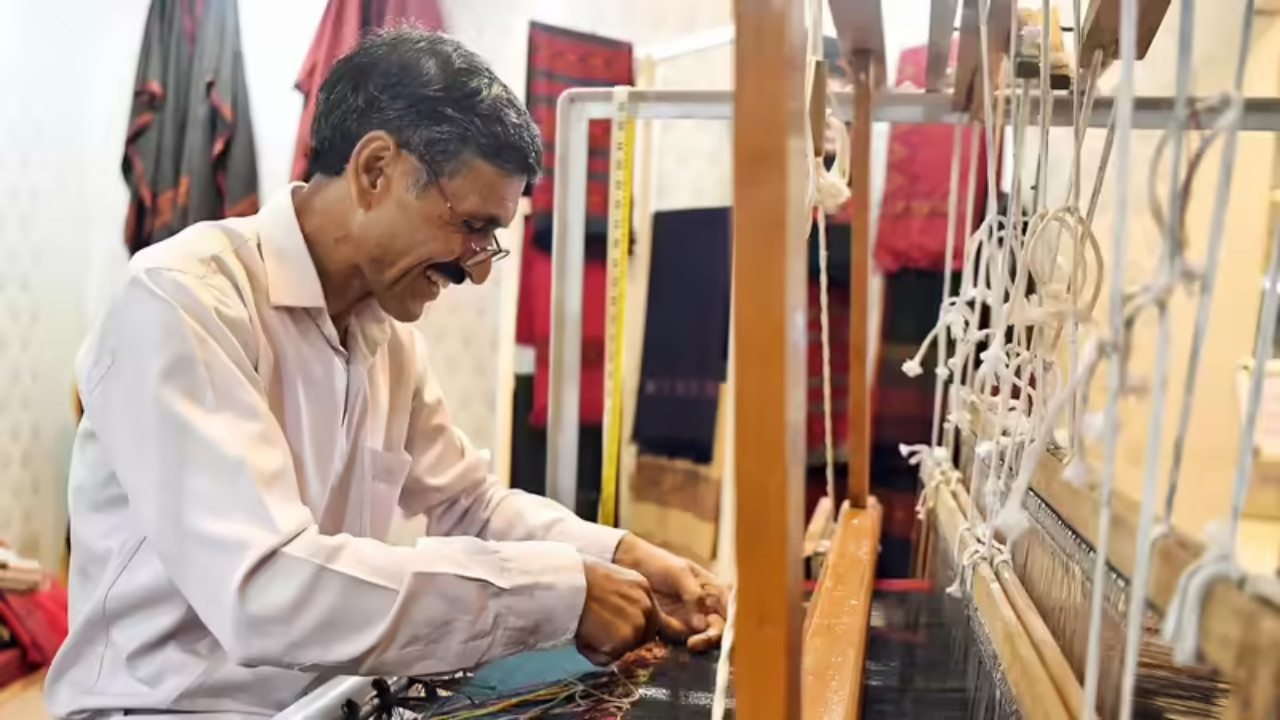
Weaving a New Future: The PLI Scheme Gets a Bold Update
India’s textile sector, a vibrant tapestry of tradition and innovation, just got a significant shot in the arm. The government has unveiled crucial amendments to the Production Linked Incentive (PLI) scheme for textiles, signaling a renewed commitment to boosting domestic manufacturing and exports. Forget subtle tweaks – this is a full-fledged refresh designed to address the evolving needs of the industry and unlock its immense potential.
What’s changed, and why should you care? Let’s dive in.
One of the most impactful revisions centers around eligibility criteria. The government has significantly broadened the scope, making it easier for smaller players to participate and benefit from the incentives. The initial scheme, while ambitious, inadvertently favored larger corporations with substantial investment capabilities. This update recognizes the vital role of small and medium-sized enterprises (SMEs) in the textile ecosystem and levels the playing field. It ensures that the benefits trickle down to the grassroots level, fostering a more inclusive and competitive landscape.
Think of it like this: the original PLI scheme was like a high-stakes poker game with a hefty buy-in. Now, the buy-in is lower, allowing more players to join the table and showcase their skills.
The modified guidelines also address specific challenges faced by certain segments within the textile industry. For example, there’s a renewed focus on incentivizing the production of man-made fibers (MMF) and technical textiles – areas where India currently lags behind global leaders. By strategically channeling support to these sectors, the government aims to reduce import dependence, enhance value addition, and create new avenues for growth.

This isn’t just about producing more textiles; it’s about producing better textiles. It’s about embracing innovation, adopting cutting-edge technologies, and positioning India as a hub for high-quality, value-added textile products. Imagine a future where Indian companies are not just competing on price, but on innovation and design, capturing a larger share of the global market.

Furthermore, the amended PLI scheme places a greater emphasis on sustainability and environmental responsibility. In an era where conscious consumerism is on the rise, this is a crucial step towards ensuring the long-term viability of the Indian textile industry. By incentivizing eco-friendly manufacturing practices and promoting the use of sustainable materials, the government is encouraging businesses to adopt a more circular and responsible approach to production.
This isn’t just good for the planet; it’s also good for business. Consumers are increasingly willing to pay a premium for products that are ethically sourced and environmentally friendly. By embracing sustainability, Indian textile companies can gain a competitive edge in the global market and attract a new generation of discerning customers.
The government’s proactive approach to refining the PLI scheme reflects a deep understanding of the complexities and nuances of the textile industry. It demonstrates a willingness to listen to industry stakeholders, adapt to changing market dynamics, and create a supportive environment for businesses to thrive.

The textile sector is a cornerstone of the Indian economy, employing millions of people and contributing significantly to export earnings. These amendments to the PLI scheme have the potential to unlock the sector’s full potential, driving economic growth, creating jobs, and solidifying India’s position as a global textile powerhouse. The updated PLI Scheme for Textiles is not just a policy change; it is a catalyst for transformation.
Looking ahead, the key to success lies in effective implementation and collaboration. The government, industry players, and other stakeholders must work together to ensure that the benefits of the PLI scheme reach all segments of the textile value chain. By fostering a spirit of innovation, embracing sustainability, and promoting inclusivity, we can weave a brighter future for the Indian textile industry and for the millions of people who depend on it. Explore more about other government initiatives aimed at bolstering Indian manufacturing.