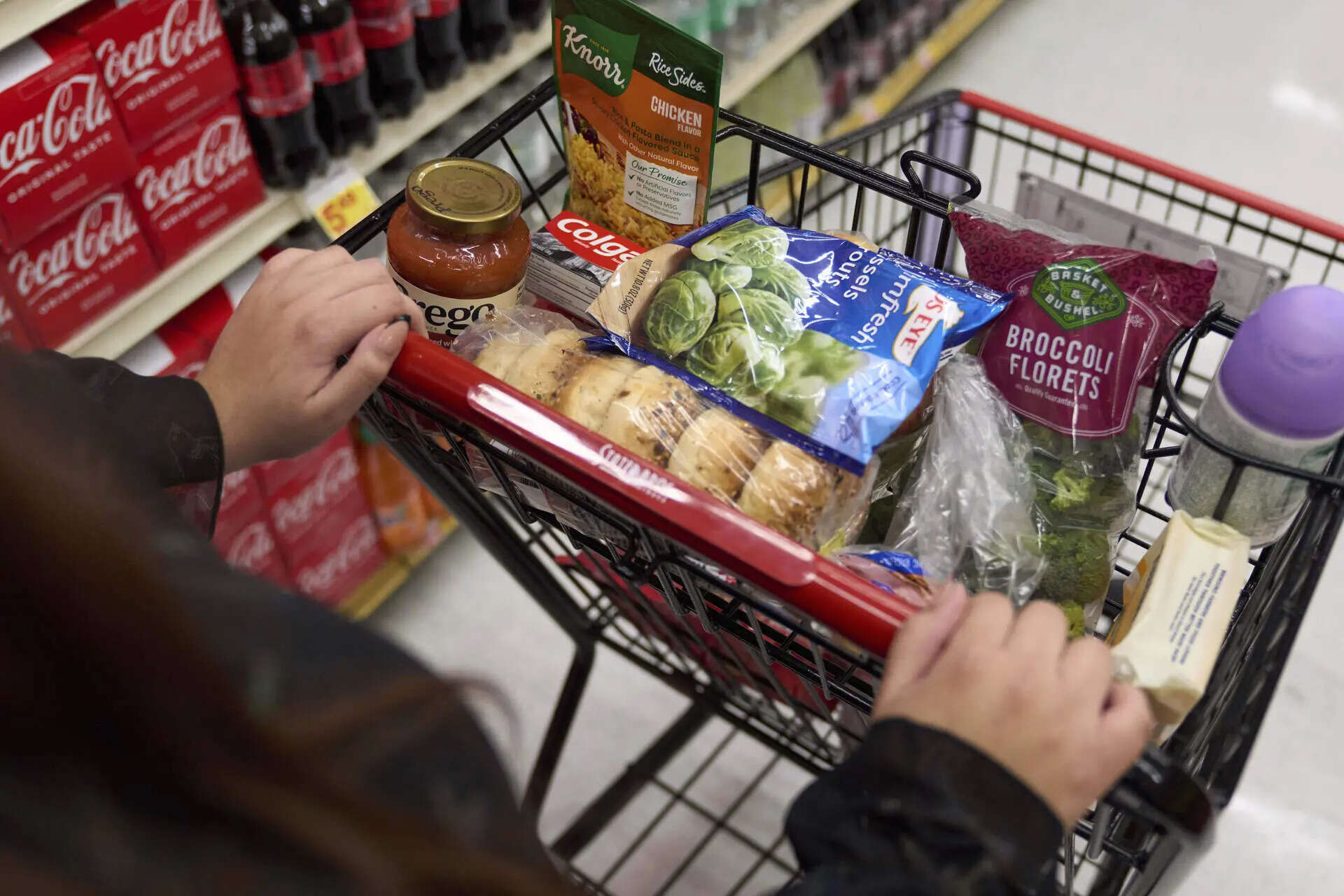
US President Trump has eased tariffs on various food items like beef, coffee, and fruits, signaling a policy shift to combat rising consumer costs. This move follows recent election results where economic concerns were prominent. While Trump claims other nations bear tariff costs, Democrats view this as an admission of harm to American shoppers.
Is Cheaper Groceries Finally on the Menu for Americans?
For months, the squeeze on household budgets has been relentless. From gas at the pump to eggs in the carton, prices have been stubbornly high. But could relief finally be on the horizon? A recent move in Washington suggests that a little breathing room might be coming to our grocery bills.
The short version? Tariffs on a range of imported food items are being rolled back, potentially leading to lower prices at your local supermarket. The move, spearheaded by the previous administration, aims to alleviate some of the financial pressure families are facing, particularly when it comes to putting food on the table.
What’s Actually Changing?
Okay, so what exactly are we talking about here? This isn’t a blanket cut on all food imports. Instead, it targets specific items where tariffs were previously imposed. Think things like certain cheeses, processed meats, and even some fruits and vegetables. The rationale is that by reducing the cost of importing these goods, retailers can pass those savings on to consumers.
The impact won’t be overnight. It takes time for goods to be shipped, distributed, and stocked on shelves. However, the expectation is that over the coming weeks and months, we should start to see a gradual decrease in prices for these targeted food items.

Why Now? The Timing of Tariff Cuts
The timing of this move is interesting. With inflation still a major concern for many households, any measure that promises to lower costs is bound to be welcomed. But it also raises questions about the underlying motivations. Was this a purely economic decision, or were there political considerations at play?
Regardless of the reasoning, the potential benefits for American families are undeniable. Groceries are a non-discretionary expense. You have to buy food. So even a small reduction in prices can make a big difference, especially for those on tight budgets. Think of it as a little extra wiggle room in your monthly spending.
Will These Tariff Cuts Really Impact Your Grocery Bill?
That’s the million-dollar question, isn’t it? While the promise of lower prices is appealing, several factors could influence the actual impact on consumers. For starters, the size of the tariff cut matters. A small reduction might not be enough to significantly lower retail prices.
Secondly, retailers play a crucial role. Even if import costs decrease, there’s no guarantee that stores will immediately pass those savings on to customers. They might choose to absorb some of the difference to improve their own profit margins.
<img src="image-of-groceries-on-conveyor-belt.jpg" alt="A close-up of groceries moving on a conveyor belt, highlighting the potential impact of tariff cuts on everyday food items.” width=”600″ height=”400″>

Finally, global market conditions can also play a part. Fluctuations in currency exchange rates or unexpected disruptions to supply chains could offset the benefits of lower tariffs.
Beyond the Supermarket: Broader Economic Implications
The effects of these tariff cuts extend beyond just the grocery store. They could also have implications for American businesses, particularly food producers and manufacturers. Lower import costs could create more competition, potentially forcing domestic companies to become more efficient and innovative.
On the other hand, some American producers might worry about being undercut by cheaper imports. It’s a complex balancing act, trying to protect domestic industries while also providing affordable goods for consumers. This is a debate that’s sure to continue as these changes take effect. We explore similar issues in our post about the impact of supply chain disruptions on small businesses, found [here](insert internal link).
The Bottom Line: A Glimmer of Hope for American Consumers
Ultimately, these tariff cuts represent a potential win for American consumers. While it’s difficult to predict the precise impact on grocery prices, any measure that aims to lower costs is a step in the right direction. Keep an eye on your local supermarket in the coming weeks and months to see if you notice a difference. The road to more affordable groceries might be longer than we hope, but the direction is encouraging. Will this be a real game-changer? Only time will tell. But it’s a development worth watching closely, and signals that policymakers are listening to concerns about rising costs.