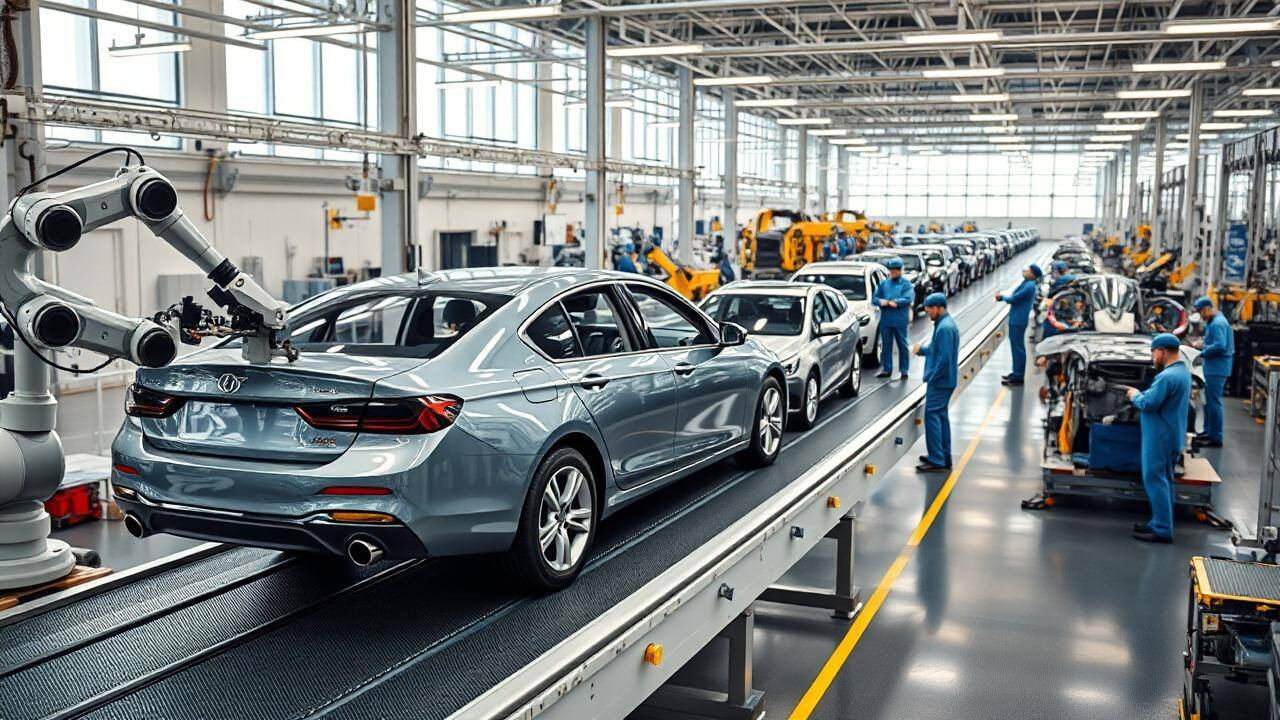
India’s top automakers are significantly boosting production by 20-40% following a sharp revival in vehicle demand, attributed to recent GST cuts and strong festive season sales. Maruti Suzuki, Hyundai, and Tata Motors are increasing output to meet a surge in orders and depleted dealership stocks, with projections indicating continued growth into next year.
The Road Ahead: How GST Cuts Supercharged India’s Car Market and What’s Next
Remember that new car smell? It might be getting a whole lot easier to experience in India. The automotive industry is revving its engines, fueled by recent GST (Goods and Services Tax) cuts that have unexpectedly jumpstarted sales and shifted gears in the Indian automotive market. But how significant is this surge, and what does it mean for consumers eager to get behind the wheel of their dream car?
For months, the industry navigated challenging terrain – supply chain bottlenecks, rising input costs, and fluctuating demand creating a bumpy ride for both manufacturers and buyers. Waiting times for popular models stretched for weeks, even months, leaving many frustrated and reconsidering their purchase plans. It felt like hitting the brakes on progress.
Then came the unexpected catalyst: strategic GST revisions on specific vehicle categories. While the exact details varied depending on the vehicle type (primarily electric and smaller engine vehicles), the net effect was a welcome reduction in the overall tax burden. This, in turn, translated into more affordable price tags for consumers, making car ownership more attainable.
A Surge in Sales: The Numbers Don’t Lie
The impact was immediate and undeniable. Dealerships, once cautiously optimistic, reported a palpable increase in foot traffic and inquiries. Sales figures climbed, defying earlier projections of a slow and steady recovery. Automakers are now reporting an intended output surge of 40%, reflecting the market’s newfound appetite. This isn’t just a minor blip; it’s a significant acceleration of growth, signalling a potential shift in the market’s trajectory.

This newfound momentum is allowing automakers to recalibrate their production strategies. The primary focus now is on addressing the persistent issue of supply. By ramping up production, manufacturers hope to shorten delivery times, meet the burgeoning demand, and capitalise on the positive market sentiment. It’s a delicate balancing act – increasing output without compromising quality or efficiency. 
More Cars, Less Waiting? A Promising Outlook
The good news for prospective car buyers is that this increased production capacity should translate into shorter waiting times. The days of anxiously tracking your order status and enduring extended delays might be numbered. Automakers are actively working to streamline their supply chains, optimise production processes, and ensure a smoother flow of vehicles from factory to showroom. The ambition is to revert to pre-pandemic delivery timelines and offer a more seamless and efficient buying experience.
Beyond addressing immediate demand, these developments have broader implications for the Indian automotive industry. The GST cut is encouraging investments in capacity expansion and technology upgrades, fostering innovation and competitiveness. Automakers are also likely to introduce new models and variants to cater to the evolving preferences of Indian consumers. It’s an exciting time for the sector, with the potential for sustained growth and further development.
The Road Ahead: Challenges and Opportunities
While the current outlook is optimistic, challenges remain. Global economic uncertainties, fluctuating commodity prices, and evolving regulatory landscapes could still impact the industry’s performance. Sustaining this growth momentum will require continued strategic planning, proactive risk management, and a commitment to innovation.

What’s more, with increased sales, there will be increased demand for servicing and related industries. Dealerships and service centers must be prepared to handle the volume. The industry must also look at improving the infrastructure needed to support a larger volume of cars on the roads.
For consumers, the message is clear: the Indian car market is experiencing a positive transformation. With more affordable prices, shorter waiting times, and a wider range of options, now might be an opportune moment to consider buying that new car you’ve been dreaming about. Be sure to research available models and financing options that fit your budget and lifestyle. This sales surge, triggered by strategic GST cuts, appears to be laying the groundwork for a more vibrant and accessible automotive landscape. Visit our other pages for the best car models in India.
The recent GST revisions have acted as a powerful catalyst, injecting fresh energy into the Indian car market. This surge in demand underscores the importance of strategic tax policies in shaping consumer behaviour and driving economic growth. The future looks promising, but only time will tell if the industry can successfully navigate the remaining challenges and sustain this positive trajectory.