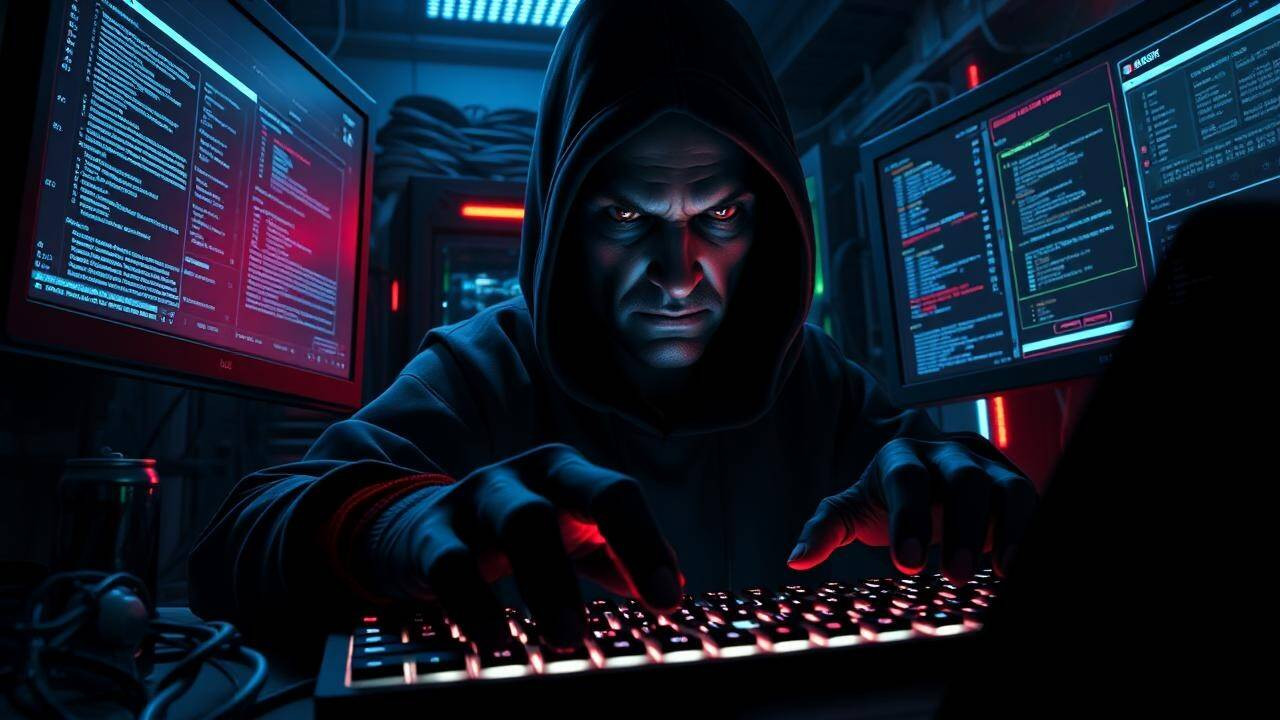
Cybersecurity experts warn about a new AI era threat called vibe hacking. Criminals use AI tools like FraudGPT for sophisticated cyberattacks. These ‘Evil LLMs’ bypass safety measures and steal data. AI can now complete ransomware attacks 100 times faster. Experts urge AI developers to implement stronger safeguards against misuse. This marks a turning point in cybercrime.
Feeling Off? You Might Be a Victim of Vibe Hacking
We’ve all heard of hacking – the digital break-ins that steal data, drain bank accounts, and generally wreak havoc on our online lives. But a new, creepier cousin has emerged, slithering into the cybersecurity landscape: vibe hacking. It’s not about stealing your passwords (though that could be a consequence), it’s about manipulating your emotions, influencing your decisions, and ultimately, controlling your actions through carefully crafted online experiences. Sounds like something out of a dystopian novel, right? Unfortunately, it’s very real, and Artificial Intelligence is fueling its rise.
Imagine scrolling through your social media feed and seeing a series of posts perfectly tailored to trigger feelings of fear, anger, or even intense excitement. These posts might appear harmless on the surface – a news article about a local crime, a heartfelt story about a struggling family, or an irresistible deal on a product you’ve been eyeing. But behind the scenes, AI algorithms are working tirelessly to analyze your online behavior, identify your vulnerabilities, and deliver content designed to push your emotional buttons.

The Psychology Behind Vibe Hacking

This insidious technique preys on well-understood psychological principles. Think of it as a sophisticated form of emotional engineering. Cybercriminals are leveraging AI to understand precisely how different stimuli affect individuals, customizing their attacks for maximum impact.
* Confirmation Bias: We tend to seek out information that confirms our existing beliefs. Vibe hackers exploit this by feeding us content that reinforces our prejudices, deepening our emotional investment and making us more susceptible to manipulation.
* Fear of Missing Out (FOMO): The constant barrage of seemingly perfect lives portrayed on social media can trigger feelings of inadequacy and anxiety. Scammers use FOMO to lure victims into impulsive purchases or risky investments.
* Authority Bias: We are more likely to trust figures of authority, even if that authority is fabricated. Vibe hackers can create fake profiles or websites that mimic legitimate sources, lending credibility to their deceptive schemes.
AI: The Enabler of Emotional Manipulation
What makes vibe hacking so potent is the power of AI. These algorithms can analyze vast amounts of data – your browsing history, social media activity, even your online purchases – to create a detailed profile of your emotional landscape. They can then use this information to craft highly personalized attacks that bypass your defenses.
For instance, an AI-powered scammer might target individuals who have recently expressed interest in cryptocurrency. They could then flood their social media feeds with ads for a seemingly legitimate crypto investment platform, complete with fake testimonials and promises of guaranteed returns. The emotional appeal, combined with the perceived authority of the platform, can be enough to convince unsuspecting victims to hand over their hard-earned money.

Protecting Yourself from the Vibe Hackers
So, how can you shield yourself from these emotional manipulators? Here are a few practical steps:
* Be Mindful of Your Emotional Reactions: Pay attention to how online content makes you feel. If something triggers a strong emotional response, especially fear or excitement, take a step back and question its validity.
* Verify Information Before Sharing: Don’t blindly share news articles or social media posts without verifying their source and accuracy. Fact-checking websites and reverse image searches can help you identify misinformation.
* Limit Your Exposure to Triggering Content: If certain types of content consistently evoke negative emotions, consider limiting your exposure to them. Unfollow accounts that promote negativity or spread misinformation.
* Strengthen Your Digital Defenses: Use strong, unique passwords for all your online accounts and enable two-factor authentication whenever possible. This will make it harder for hackers to access your personal information. Consider using a password manager, and be sure to read our recent post on identifying phishing scams, a common delivery method for vibe hacking.
* Report Suspicious Activity: If you encounter suspicious content or behavior online, report it to the relevant platform or authority. Your vigilance can help protect others from falling victim to these scams.
The rise of vibe hacking is a sobering reminder that cybersecurity is no longer just about protecting our data – it’s about safeguarding our emotions and our decision-making processes. By understanding the psychology behind these attacks and taking proactive steps to protect ourselves, we can resist the manipulators and maintain control over our online lives. Staying vigilant is the first line of defense in this evolving digital battle.