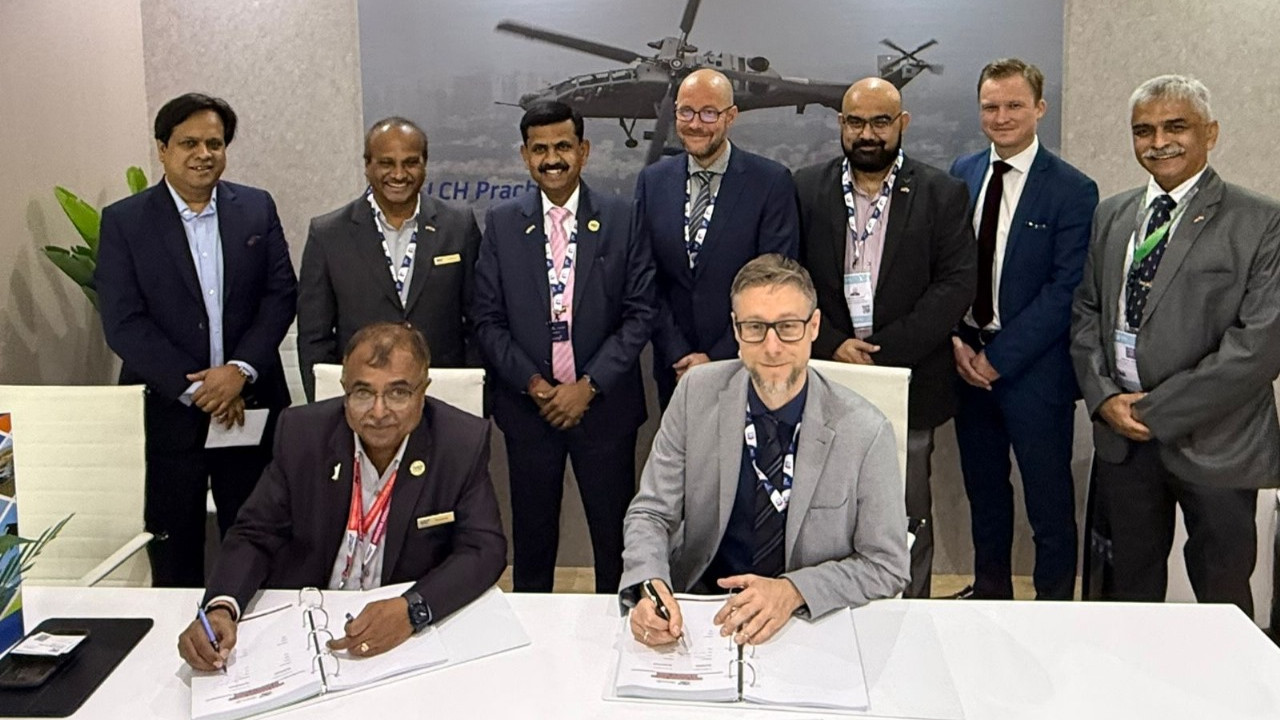
Flying High: HAL & Hensoldt Team Up for Safer Skies
Imagine piloting a helicopter through treacherous mountain passes or navigating a bustling urban landscape, all while the terrain around you is rendered crystal clear, identifying potential hazards before they even become a blip on your radar. That vision is edging closer to reality thanks to a new partnership between Hindustan Aeronautics Limited (HAL), India’s aerospace behemoth, and Hensoldt, a global leader in sensor solutions.
This isn’t just another deal; it’s a strategic alliance aimed at enhancing helicopter safety and operational capabilities, a move that could redefine how pilots navigate challenging environments.
The core of this collaboration? Cutting-edge airborne obstacle avoidance systems. HAL and Hensoldt have officially joined forces to integrate Hensoldt’s next-generation technology into HAL’s helicopter platforms. This isn’t about slapping on an off-the-shelf product; it’s about deep integration, tailoring a system specifically to meet the demands of Indian operational scenarios.
Why This Matters: Enhanced Safety and Situational Awareness
Let’s be honest, flying helicopters, especially in complex environments, is inherently risky. Low-flying aircraft are particularly vulnerable to unexpected obstacles – power lines, communication towers, even previously uncharted terrain. Hensoldt’s technology promises to dramatically reduce these risks.


Think of it as giving pilots a sixth sense. The system uses advanced sensors to create a detailed, real-time map of the helicopter’s surroundings. This information is then presented to the pilot in an intuitive format, highlighting potential hazards and providing ample time to react. This obstacle avoidance capability doesn’t just enhance safety; it boosts operational efficiency. Pilots can fly with greater confidence, knowing they have a reliable system watching their back.
More Than Just Safety: A Leap in Technology
This partnership goes beyond simply preventing accidents. It’s a significant technological upgrade for HAL’s helicopters, pushing them to the forefront of airborne capabilities. Hensoldt is bringing to the table decades of expertise in radar and sensor technology, while HAL offers its deep understanding of Indian operational requirements and its manufacturing prowess.
The synergy between these two companies is a powerful force. It’s not just about importing technology; it’s about collaborating to create solutions that are perfectly tailored to the specific needs of the Indian market. This collaboration could lead to further innovation in the future, perhaps exploring applications beyond obstacle avoidance, like improved navigation in poor weather conditions or enhanced search and rescue capabilities.

A Boost for “Make in India”
This deal also aligns perfectly with the Indian government’s “Make in India” initiative. While Hensoldt is providing the core technology, the integration and potential future manufacturing will largely take place in India. This will create new jobs, develop local expertise, and contribute to the growth of India’s aerospace sector. It’s a win-win scenario, fostering technological advancement while supporting domestic manufacturing. This collaboration underscores India’s ambition to become a self-reliant hub for aerospace innovation.
The Bigger Picture: Modernizing India’s Aviation Fleet
This partnership is part of a larger trend: the modernization of India’s aviation fleet. As India’s economy grows, the demand for helicopters – for transport, emergency services, and military operations – is only going to increase. Ensuring these helicopters are equipped with the latest safety technology is crucial. By investing in advanced systems like Hensoldt’s obstacle avoidance technology, HAL is not just enhancing safety; it’s preparing for the future.
The integration of cutting-edge obstacle avoidance systems from Hensoldt into HAL helicopters signals a significant step forward for aviation safety and technological advancement in India. This partnership promises safer skies, enhanced operational capabilities, and a boost to the “Make in India” initiative. You can also see how HAL is expanding its reach into other areas of aviation with their recent drone-based innovations. This is an industry to watch, as these kinds of collaborations pave the way for even greater progress.