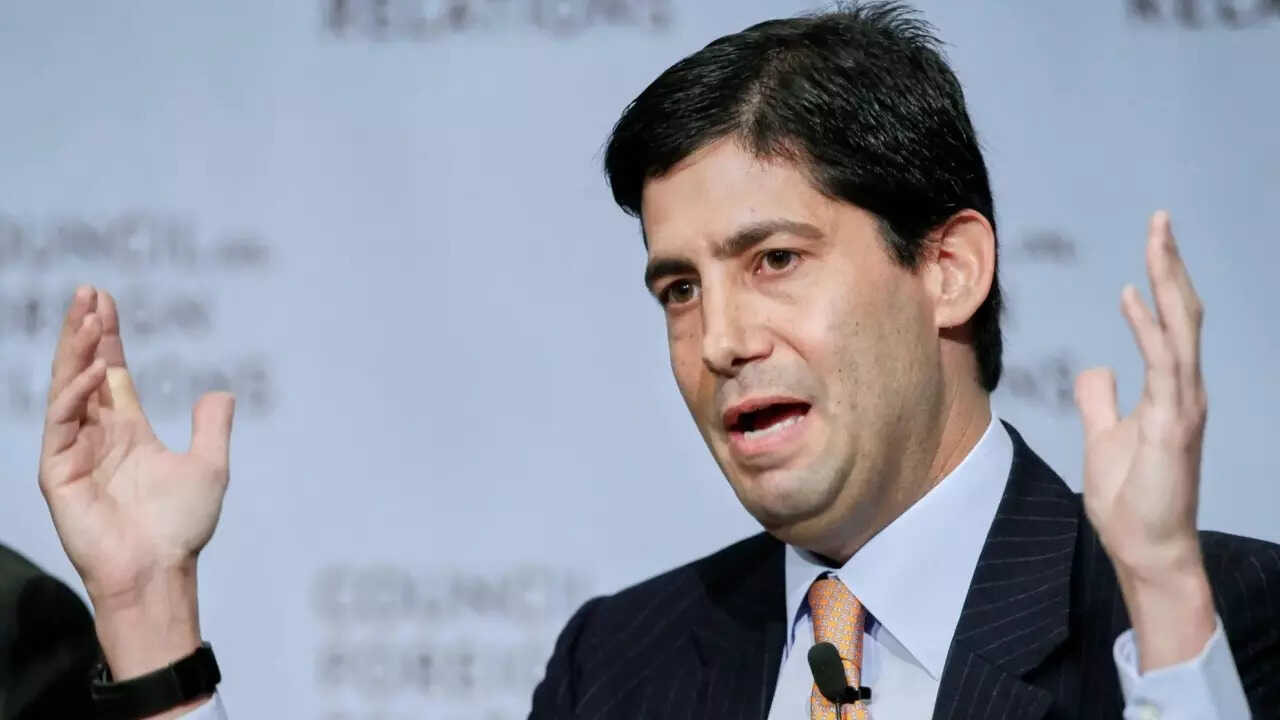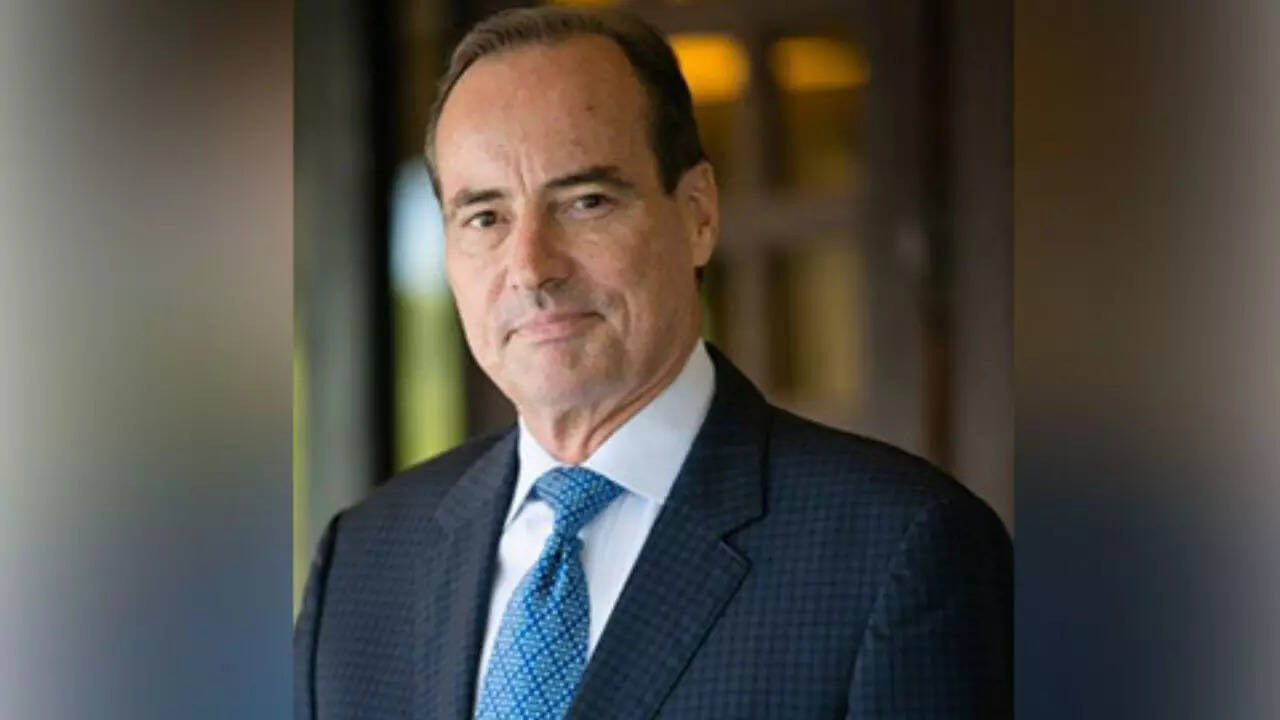
Harry Dent, known for his bearish predictions, surprisingly embraces cryptocurrency, suggesting it could revolutionize the $630 trillion global financial market. He compares crypto’s disruptive potential to the internet and AI, emphasizing its ability to decentralize finance and empower individuals. While warning of an imminent market correction, Dent believes this shakeout will ultimately strengthen crypto’s long-term prospects.
Is Bitcoin About to Reshape the $630 Trillion Financial Universe?
Imagine a financial landscape so vast, so deeply entrenched, it seems almost immutable. We’re talking about the derivatives market – a colossal $630 trillion ecosystem humming beneath the surface of everyday finance. Now, picture a single digital currency, born from cryptographic code, daring to disrupt it all. That’s the picture Harry Dent, a Harvard-trained economist, is painting, and it’s one that has the financial world buzzing.
Dent, known for his often-contrarian views, isn’t just suggesting Bitcoin will nibble around the edges of this behemoth. He’s proposing a potentially seismic shift, fueled by the very nature of Bitcoin and its underlying blockchain technology. But is such a radical transformation even plausible?
The Allure of Bitcoin: Beyond the Hype
Let’s be clear: Bitcoin’s journey has been a rollercoaster. From its mysterious origins to its meteoric rise and subsequent crashes, the digital currency has seen it all. Yet, beneath the volatility and speculative fervor lies a powerful concept: decentralization. This is where Dent sees the real potential for disruption.
The traditional derivatives market is complex, opaque, and heavily reliant on intermediaries. Think layers upon layers of financial institutions, each taking a cut and adding to the overall cost and complexity. Bitcoin, with its decentralized ledger and peer-to-peer transactions, offers a radical alternative. By bypassing these intermediaries, it promises to streamline processes, reduce costs, and increase transparency.

Could Bitcoin Actually Disrupt the $630 Trillion Market?
Dent’s argument hinges on the idea that Bitcoin can provide a more efficient and secure way to manage risk, a cornerstone of the derivatives market. Smart contracts, self-executing agreements coded onto the blockchain, could automate many of the processes currently handled by human intermediaries. This automation could lead to significant cost savings and reduced counterparty risk, potentially attracting a substantial portion of the derivatives market to the crypto sphere.
Consider, for example, a simple futures contract. Instead of relying on a clearinghouse to ensure the terms are met, a smart contract could automatically execute the trade based on pre-defined conditions, eliminating the need for a middleman. This isn’t just theoretical; various platforms are already exploring ways to tokenize and trade derivatives on the blockchain.
However, it’s crucial to acknowledge the considerable hurdles. Regulatory uncertainty remains a significant obstacle. Governments worldwide are grappling with how to regulate cryptocurrencies, and the lack of clear legal frameworks could stifle adoption by institutional investors. Scalability is another concern. The Bitcoin network, while secure, is not currently capable of handling the massive transaction volumes of the traditional derivatives market. Technological advancements and Layer-2 solutions are addressing this, but they are still under development.
The Road Ahead for Bitcoin and the Financial Landscape
Dent’s prediction, while bold, highlights a fundamental truth: the financial world is ripe for disruption. Whether Bitcoin specifically becomes the catalyst remains to be seen, but the underlying principles of decentralization, transparency, and automation are undeniably powerful forces.

The derivatives market may not be completely overturned overnight. A more likely scenario involves a gradual integration of blockchain technology into existing systems, with Bitcoin and other cryptocurrencies playing an increasingly important role. Perhaps we’ll see hybrid models emerge, combining the best aspects of traditional finance with the innovation of the crypto world.
To understand more about how digital assets are evolving, consider reading about the rise of tokenized real-world assets and their potential impact on investment strategies.
Conclusion: A Future Shaped by Innovation
Harry Dent’s forecast of Bitcoin reshaping the $630 trillion derivatives market is a provocative thought experiment. While the complete displacement of traditional finance by Bitcoin may be ambitious, the direction is clear. The promise of decentralized finance (DeFi) is compelling, and the underlying technology offers tangible benefits in terms of efficiency, transparency, and security. As the regulatory landscape clarifies and technological advancements continue, Bitcoin and other blockchain-based solutions are poised to play an increasingly significant role in the future of finance, potentially impacting even the most established and seemingly impenetrable markets. The evolution is underway, and the financial world will likely never be quite the same.