The H-1B Visa Maze: Navigating Rising Costs & India’s Response
The American dream, long woven with threads of opportunity and innovation, has always beckoned skilled professionals worldwide. A key element in accessing this dream for many has been the H-1B visa, a pathway for specialized workers to contribute their talents to the US economy. However, recent policy adjustments in the United States are causing ripples of concern, particularly regarding the rising costs associated with securing this coveted visa. So, what’s really going on, and how is India reacting?
The US government has recently implemented an increase in H-1B visa fees, a move that is directly impacting Indian companies who rely heavily on the visa program to send skilled workers stateside. The hike stems from a final rule implemented by the Department of Homeland Security, which impacts not only H-1B visas but also L-1 visas, used for intracompany transfers. These changes aim to bolster funding for crucial programs like those supporting victims of crime. While the intent behind supporting these programs is undoubtedly laudable, the financial burden placed on Indian companies is raising serious questions.
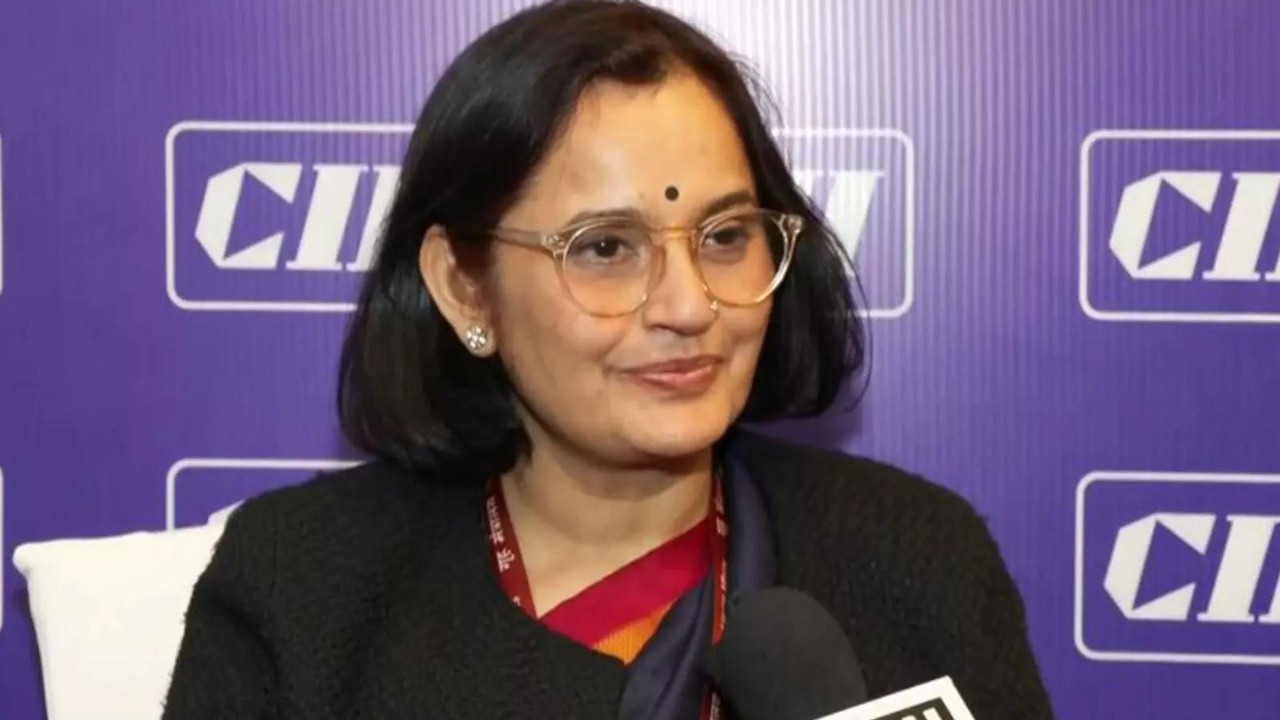
The core concern revolves around the potential humanitarian consequences of these increased costs. The Confederation of Indian Industry (CII) has voiced its apprehension, emphasizing that the elevated fees could disproportionately affect smaller and medium-sized enterprises (SMEs). For these businesses, navigating the already complex visa application process becomes even more challenging when coupled with a significant jump in expenses. This financial strain could potentially limit their ability to deploy talent effectively, hindering innovation and potentially impacting their competitive edge in the US market.

India’s Response: A Strategic Reassessment

The Indian government is actively engaging with the US administration to express its concerns and explore potential solutions. Discussions are ongoing, with a focus on finding a balanced approach that addresses the US’s domestic needs without unduly burdening Indian businesses and skilled professionals. There is a strong emphasis on maintaining a constructive dialogue to ensure the continued flow of talent and collaboration between the two nations.
Beyond diplomatic efforts, India is also focusing on strengthening its own domestic capabilities. Investing in education and skill development initiatives aims to create a robust pool of talent within India, reducing reliance on overseas opportunities as the only pathway to career advancement. This involves fostering a thriving innovation ecosystem, supporting entrepreneurship, and ensuring that Indian professionals have access to world-class training and resources.
Navigating the Shifting Landscape: Options for Businesses
For Indian companies currently grappling with the H-1B visa fee increase, several strategies are being explored. One avenue is optimizing visa application processes to minimize errors and delays, therefore, reducing administrative costs. Another is exploring alternative visa options, such as the L-1 visa for internal transfers, where applicable. However, these visas also face fee hikes.
Perhaps more significantly, companies are reevaluating their long-term talent strategies. This includes investing more heavily in local hiring within the US and exploring opportunities for remote work and distributed teams. The rise of remote work technologies has opened new avenues for collaboration, allowing companies to tap into global talent pools without the need for extensive visa sponsorships. This can also be a good time to review your immigration policy with a qualified immigration lawyer.

Furthermore, companies are actively seeking to upskill and reskill their existing workforce, enabling them to take on new challenges and contribute to innovation. This proactive approach helps reduce dependency on external talent acquisition and fosters a culture of continuous learning within the organization.
The evolving H-1B visa landscape presents both challenges and opportunities. While the rising costs undoubtedly create financial pressures, they also serve as a catalyst for innovation and strategic reassessment. By proactively engaging with the US government, investing in domestic talent development, and exploring alternative talent acquisition strategies, Indian companies can navigate this evolving maze and continue to contribute to the global economy. To find out more about navigating today’s business landscape, read about our services for international business expansion.