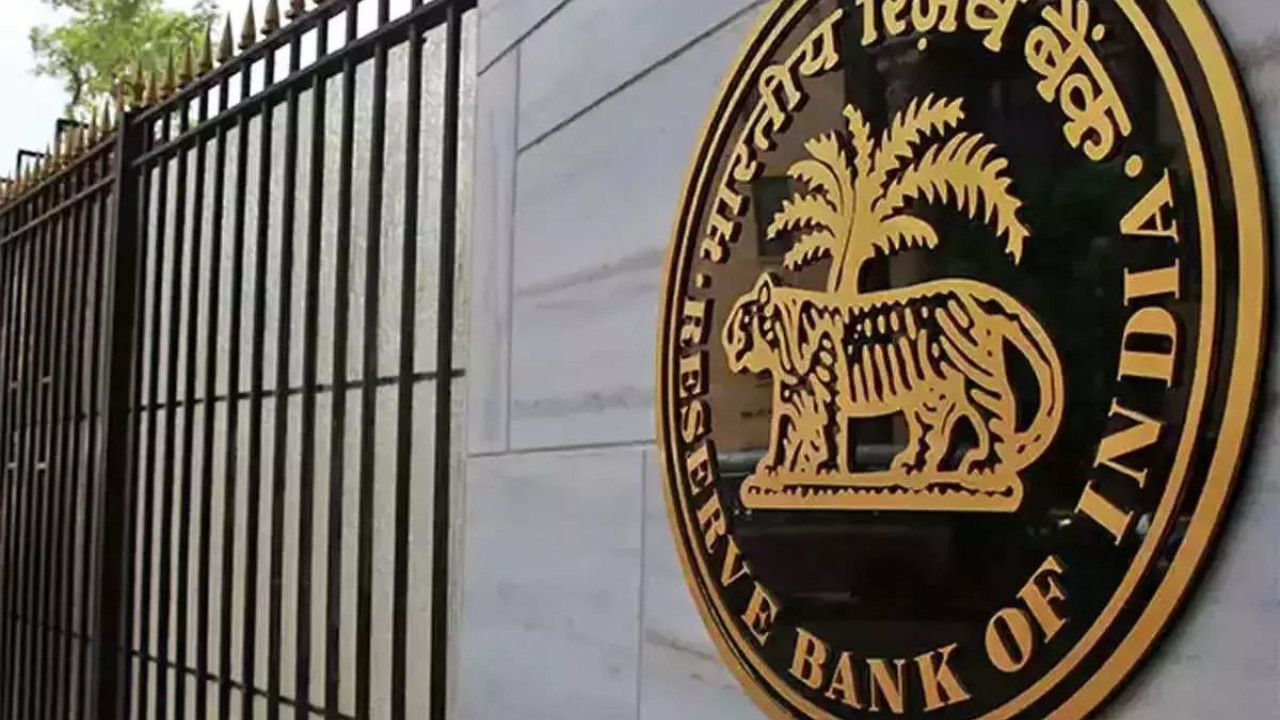
The Reserve Bank of India introduced major reforms, allowing banks to finance mergers, acquisitions, and IPOs more freely. It raised limits on loans against shares and debt securities, easing borrowing rules for large companies. These changes, effective October 2025, aim to expand credit access, improve liquidity, and deepen capital market participation, complementing government reforms.
Businesses Get a Boost: RBI Loosens the Reins on Credit
The Reserve Bank of India (RBI) has just given Indian businesses a shot in the arm, introducing significant changes that could ripple through the economy. Imagine a company, poised for growth, suddenly finding access to the capital it needs to expand, innovate, and create jobs. That’s the potential impact of the RBI’s latest moves, which primarily focus on expanding credit availability and easing restrictions on loans against shares. Let’s dive into the details and unpack what this means for the business landscape.
More Credit on Tap for Corporate India
One of the most impactful changes is the RBI’s decision to expand credit facilities for companies. While the specifics involve intricate regulatory adjustments, the core message is simple: accessing funds for operational needs and strategic initiatives should become easier. This isn’t just about large corporations; it’s also aimed at empowering small and medium-sized enterprises (SMEs), the backbone of the Indian economy. Imagine a small textile manufacturer finally able to afford that new, more efficient loom they’ve been eyeing, boosting their production capacity and competitiveness. That’s the kind of scenario the RBI is hoping to foster.
This expansion of credit aims to stimulate investment, fuel growth, and ultimately contribute to a more robust and dynamic Indian economy. The RBI’s proactive approach signals a commitment to supporting businesses and fostering a favorable environment for economic expansion. By easing access to funds, the central bank hopes to unleash the entrepreneurial spirit and drive innovation across various sectors. This initiative could prove pivotal in navigating the current economic climate and propelling India towards sustained growth.
Loans Against Shares: A Five-Fold Increase
Perhaps the most eye-catching change is the dramatic increase in the limit for loans against shares (LAS). The RBI has upped the ceiling five-fold, from ₹20 lakh to ₹1 crore per borrower. This is a game-changer for promoters and investors who rely on LAS to raise capital.


Previously, the relatively low limit restricted the utility of LAS as a significant funding source. Now, with a substantially higher ceiling, businesses can unlock more value from their shareholdings. Picture a startup founder who owns a considerable stake in their company. They can now leverage a much larger portion of those shares to secure a loan for expansion or product development, without diluting their equity.
This increase doesn’t come without safeguards, of course. The RBI will likely have measures in place to monitor and manage the associated risks, ensuring that lending institutions exercise due diligence and borrowers use the funds responsibly. However, the potential benefits for businesses seeking capital are undeniable.
What’s Driving These Changes?
So, what prompted the RBI to make these significant adjustments? Several factors are likely at play. First, the RBI is constantly monitoring the overall health of the Indian economy. By easing credit conditions, the central bank can stimulate investment and growth, particularly in sectors that need a boost.
Second, there’s a growing recognition of the importance of empowering businesses, especially SMEs, to thrive. Access to credit is a critical enabler for innovation, expansion, and job creation. By removing some of the barriers to borrowing, the RBI is fostering a more supportive environment for entrepreneurship.

Finally, the RBI is adapting to the evolving needs of the financial landscape. The five-fold increase in loans against shares demonstrates a willingness to modernize regulations and ensure they remain relevant in a dynamic market.
A Cautious but Optimistic Outlook
The RBI’s recent moves are undoubtedly a positive sign for Indian businesses. The expanded credit facilities and increased limits on loans against shares offer a much-needed boost to companies seeking capital for growth and innovation. While challenges remain, these reforms signal a commitment to fostering a supportive environment for entrepreneurship and driving economic expansion. We will be watching closely to see how these changes translate into tangible benefits for businesses across the country. For more information on government initiatives supporting small businesses, check out our article on [MSME loan schemes](internal-link-to-related-article).