India can boost its exports to Russia seven-fold, reaching $35 billion by 2030, by tapping into sectors like food, pharmaceuticals, and textiles. Currently, trade is heavily skewed towards oil imports, with exports lagging significantly. A key hurdle is the lack of a predictable payment system, hindering broader market access for Indian goods.
India’s Untapped Potential: A $30 Billion Export Opportunity to Russia
The winds of global trade are constantly shifting, and as geopolitical landscapes realign, new opportunities emerge. India, with its burgeoning economy and strategic partnerships, stands poised to significantly boost its exports to Russia. But how can India realistically jump from a $5 billion trade relationship to a potential $35 billion windfall? The answer lies in modernizing the financial infrastructure that underpins this crucial partnership.
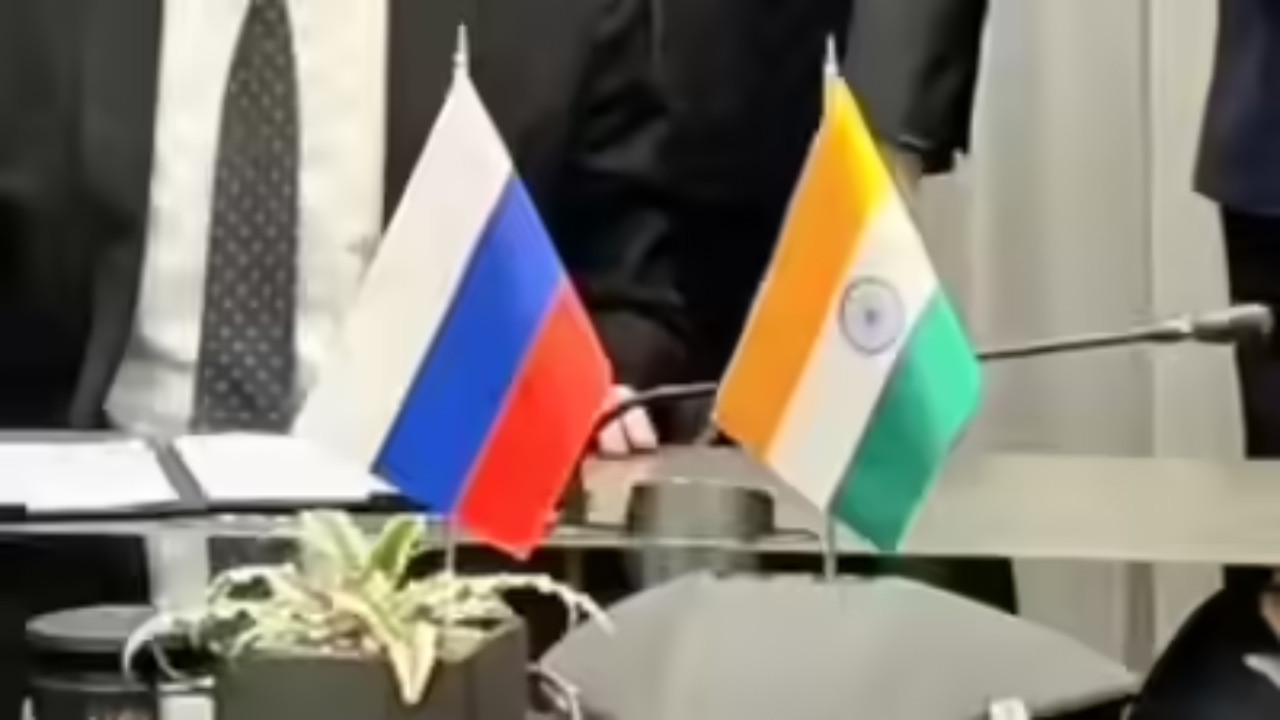
Currently, trade between India and Russia faces friction. The biggest obstacle? Navigating payment systems in a world increasingly wary of dollar dependency. Existing mechanisms are often slow, costly, and vulnerable to geopolitical pressures. This is where the idea of a revamped Rupee-Rouble settlement system gains significant traction.
Why a Modern Rupee-Rouble System is Crucial
Imagine a seamless financial pipeline directly connecting Indian and Russian businesses. That’s the promise of a modern Rupee-Rouble settlement system. It would allow companies in both nations to trade directly in their own currencies, bypassing the need for US dollars or Euros. This has several advantages:
* Reduced Transaction Costs: Eliminating intermediary currencies cuts down on exchange rate fees and other transaction expenses, making trade more attractive for businesses of all sizes.
* Increased Speed and Efficiency: Direct currency settlements can be processed much faster than traditional methods, allowing for quicker turnaround times and improved cash flow.
* Enhanced Trade Resilience: A Rupee-Rouble system provides a buffer against external financial pressures and geopolitical instability, ensuring a more stable and predictable trading environment.
* Boosting Small and Medium Enterprises (SMEs): Easier access to trade finance and simpler payment processes can unlock opportunities for smaller businesses, allowing them to participate more actively in Indo-Russian commerce.


Untapped Export Opportunities: What India Can Offer
So, what exactly can India export to Russia to fill this $30 billion gap? The possibilities are vast and diverse, spanning several key sectors.
* Pharmaceuticals: India is a global leader in generic drug manufacturing. Russia’s demand for affordable medicines presents a significant opportunity for Indian pharmaceutical companies.
* Engineering Goods: From machinery and automotive components to electrical equipment, India’s engineering sector can meet Russia’s infrastructure and industrial needs.
* Agricultural Products: With Russia seeking to diversify its food sources, India can export a range of agricultural commodities, including grains, fruits, vegetables, and processed foods.
* Textiles and Apparel: India’s vibrant textile industry can cater to the Russian market’s demand for clothing, fabrics, and home textiles.
* Chemicals: India’s chemical industry can supply a wide range of products, including industrial chemicals, fertilizers, and specialty chemicals, to meet the needs of Russian industries.
In addition to these traditional sectors, there’s also potential for collaboration in emerging areas like technology, renewable energy, and digital services. Check out this page about [India’s emerging tech industry](internal-link-to-related-content).
Challenges and the Road Ahead
While the potential is enormous, some hurdles remain. Implementing a robust Rupee-Rouble system requires close cooperation between the central banks of both countries, as well as the development of appropriate regulatory frameworks. There may also be resistance from entities that benefit from the current dollar-dominated system.

Despite these challenges, the momentum behind closer Indo-Russian trade relations is undeniable. The geopolitical context, coupled with the economic benefits of a modernized payment system, makes a compelling case for action. The key will be for both governments and businesses to proactively embrace this opportunity and work together to create a seamless and efficient trading environment.
Seizing the Moment for Exponential Growth
India stands on the cusp of a significant economic breakthrough in its trade relations with Russia. By prioritizing the implementation of a modern Rupee-Rouble settlement system, India can unlock billions of dollars in untapped export potential, strengthen its strategic partnership with Russia, and solidify its position as a major player in the global economy. The path forward requires vision, collaboration, and a willingness to embrace innovative solutions, but the rewards are well worth the effort. The time to act is now, to build a stronger, more resilient economic future for both nations through increased trade in Rupee Rouble.