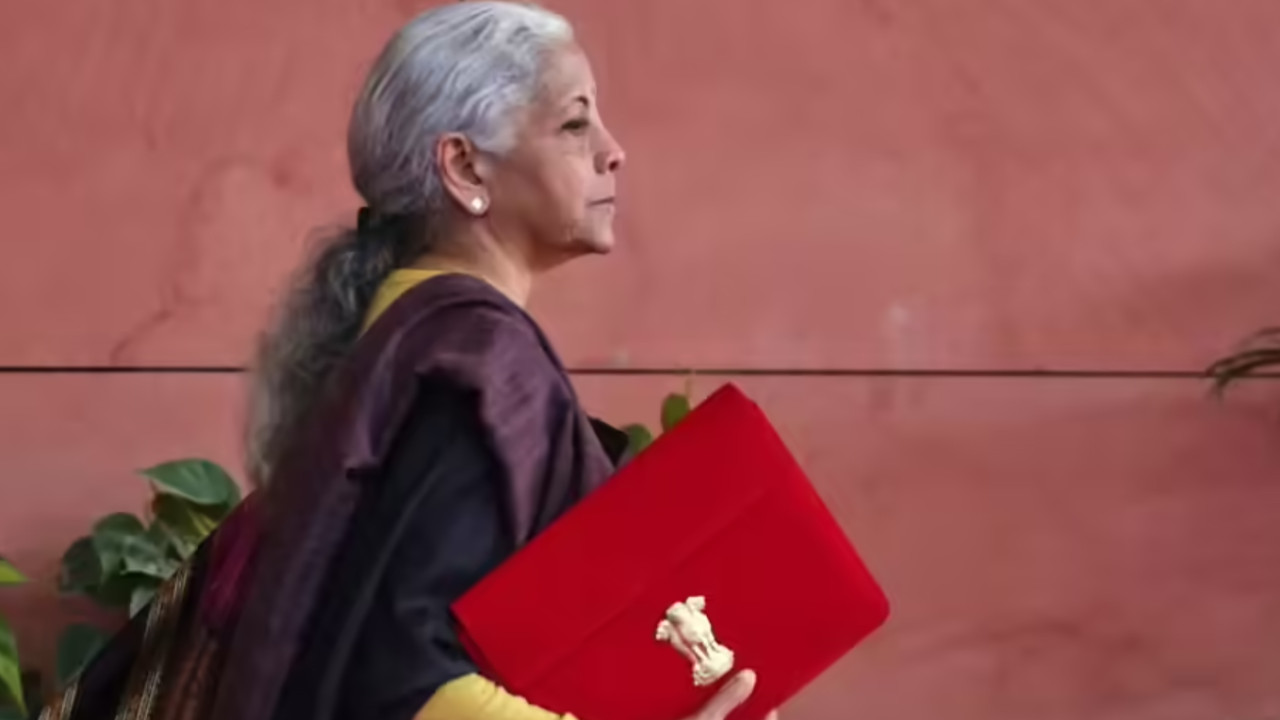
White House press secretary Karoline Leavitt stated that India has reduced Russian oil imports at President Trump’s request, with China also scaling back purchases. Trump previously claimed India would cease Russian oil imports by year-end. India, however, has denied any policy shift, prioritizing consumer interests.
The Tide Turns? Are India and China Rethinking Russian Oil?
The global energy market is a complex dance, a push and pull of supply, demand, and geopolitical maneuvering. Lately, the tempo seems to be changing, with whispers suggesting a potential shift in the oil-buying habits of two of the world’s biggest consumers: India and China. While the narrative has been one of these nations eagerly snapping up discounted Russian crude since the war in Ukraine began, a new report claims that this trend might be softening, perhaps even reversing course.
But what’s fueling this potential change of heart? And what does it mean for global energy markets and the ongoing conflict? Let’s dive in.
The Allure of Discounted Crude: A Quick Recap
Following the imposition of sanctions on Russia by Western nations, Moscow found itself with a glut of oil and a dwindling pool of buyers. The solution? Offer steep discounts. India and China, hungry for affordable energy to fuel their burgeoning economies, were happy to oblige. This created a win-win situation, at least on the surface. Russia maintained revenue streams, while India and China secured access to cheaper oil.

However, this arrangement hasn’t been without its critics. Western powers have expressed concerns that these purchases are effectively funding Russia’s war effort and undermining the intended impact of sanctions. This tension forms the backdrop against which this new report emerges.
Is the Flow of Russian Oil Shifting?
A recent US-based watchdog report suggests that India and China are scaling back their imports of Russian oil, possibly due to behind-the-scenes pressure from the United States. The report alleges that former President Trump personally requested both nations to reduce their reliance on Russian energy, hinting at potential trade or diplomatic repercussions if they didn’t comply.
<img src="image-url-for-oil-tanker.jpg" alt="Oil tanker, a symbol of India's reliance on Russian oil, potentially dwindling due to international pressure.”>
It’s important to ### The Broader Implications for the Global Energy Market

If India and China are indeed scaling back their Russian oil imports, the consequences could be far-reaching.
* Increased Competition: A decrease in demand from these major players would likely lead to increased competition among oil suppliers, potentially driving down global prices.
* Pressure on Russia: Reduced revenue from oil sales would put further strain on the Russian economy and its ability to finance the war in Ukraine.
* Shifting Alliances: The energy market is intricately linked to global power dynamics. Shifts in oil-buying habits could signal evolving alliances and strategic partnerships.
* Opportunities for Other Producers: Countries like Saudi Arabia, the United States, and other OPEC nations could see increased demand for their oil, potentially bolstering their economies.
Looking Ahead: A Market in Flux
The global energy market remains highly volatile and subject to unpredictable forces. Whether the reported scaling back of Russian oil imports by India and China is a temporary blip or a long-term trend remains to be seen. What is clear is that the war in Ukraine has fundamentally reshaped the global energy landscape, forcing countries to adapt and recalibrate their strategies. The future of energy security will hinge on diversification, technological innovation, and a willingness to navigate complex geopolitical realities. The situation requires constant monitoring and insightful analysis to fully grasp its implications.