Strengthening Ties: India and New Zealand Edge Closer to a Trade Agreement
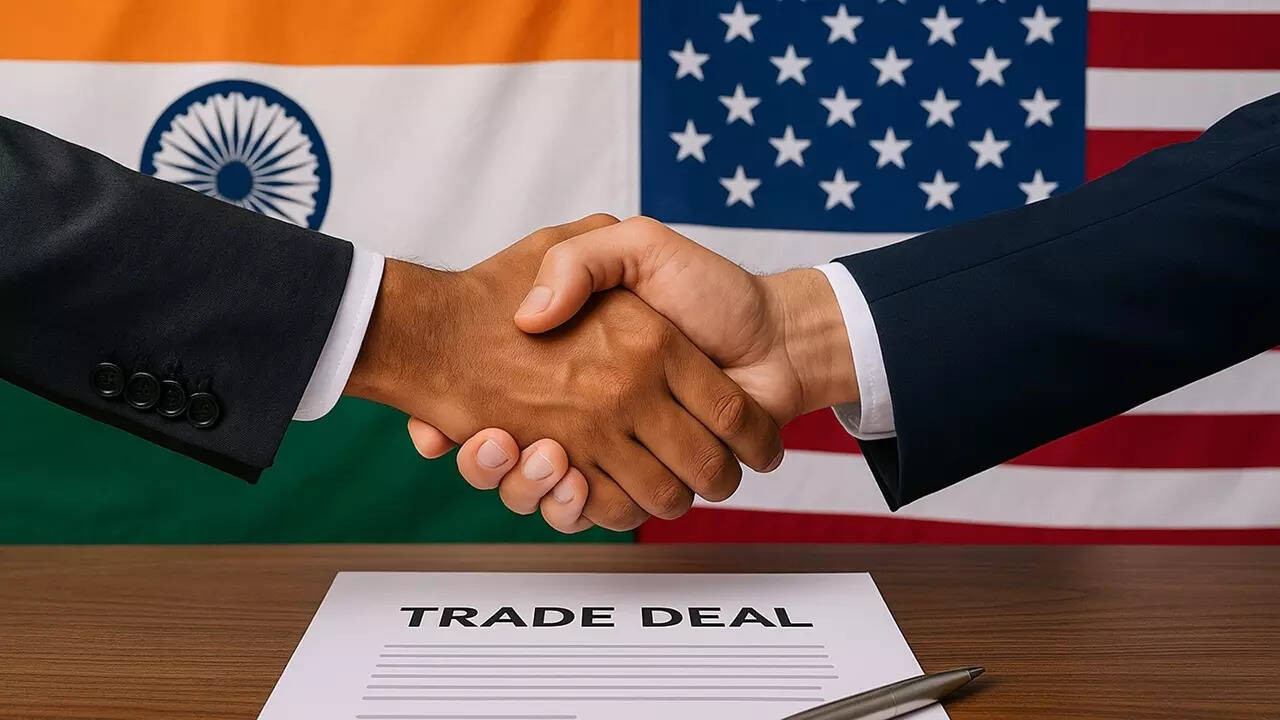
For businesses and consumers alike, the prospect of smoother trade between nations often translates into exciting opportunities and cost-effective choices. And on that front, the horizon looks promising for India and New Zealand. Negotiations for a comprehensive trade agreement are advancing rapidly, with optimistic signals suggesting a deal could be finalized soon.
This potential agreement isn’t just about exchanging goods; it’s about building a stronger economic partnership. Think of it as paving a well-maintained highway between two vibrant marketplaces, allowing for a freer flow of ideas, investments, and, of course, products.
Why This Trade Deal Matters
The benefits of such an agreement are multi-faceted. For India, New Zealand represents a valuable source of high-quality agricultural products, particularly dairy. Imagine access to premium New Zealand cheese and butter at more competitive prices. The deal could also stimulate the Indian food processing industry, encouraging innovation and higher standards.
On the other hand, New Zealand stands to gain from India’s massive consumer market and burgeoning manufacturing sector. India’s diverse range of goods, from textiles and pharmaceuticals to engineering products, could find a ready market in New Zealand, boosting Indian exports and supporting job creation.
Beyond the tangible economic gains, a trade agreement fosters closer political ties and strengthens diplomatic relations. It builds trust and encourages cooperation on a wider range of issues, creating a more stable and predictable environment for businesses to operate. It represents a commitment to mutual growth and prosperity.


What’s on the Table?
While the specifics of the agreement are still under wraps, the focus is likely to be on reducing or eliminating tariffs on a wide range of goods. This means lower import duties, making products from both countries more affordable for consumers.
Beyond tariffs, the deal could also address non-tariff barriers to trade, such as cumbersome customs procedures and differing regulatory standards. Streamlining these processes would make it easier and cheaper for businesses to trade across borders. Also expect significant discussions around intellectual property rights, investment protection, and dispute resolution mechanisms to ensure fairness and transparency.
Challenges and Opportunities Ahead
Negotiating a trade agreement of this magnitude is a complex undertaking. Both sides have their own priorities and sensitivities. Finding common ground on issues such as agricultural subsidies and intellectual property protection requires careful negotiation and a willingness to compromise.
However, the potential rewards are significant. A successful agreement would not only boost trade and investment but also create jobs, spur innovation, and improve the living standards of people in both countries. It would signal a commitment to open and rules-based trade, at a time when protectionist sentiments are on the rise in some parts of the world.

This isn’t happening in isolation. It builds upon existing trade relationships and strengthens India’s broader engagement with the Asia-Pacific region. This complements other trade initiatives, like existing agreements with ASEAN countries and ongoing negotiations with other nations, making India a key player in global trade. You might be interested in reading about India’s growing economic influence in Southeast Asia.
Looking Ahead: The Road to Ratification
While optimism is high, the journey isn’t over. Once negotiators reach an agreement, the text must be finalized, translated, and reviewed by legal experts. Then, the agreement needs to be signed by both governments and ratified by their respective legislatures. This process can take several months, or even longer.
However, the momentum appears to be on the side of progress. Both India and New Zealand recognize the strategic importance of closer economic ties. With continued goodwill and a focus on mutual benefit, a comprehensive trade agreement could soon become a reality, ushering in a new era of economic cooperation.
The potential for a strengthened relationship between India and New Zealand through this trade agreement is substantial. The impact on businesses, consumers, and the overall economic landscape of both nations could be transformative. The next few months will be critical as the final details are ironed out and the agreement moves closer to ratification, promising a future of increased trade and collaborative growth.