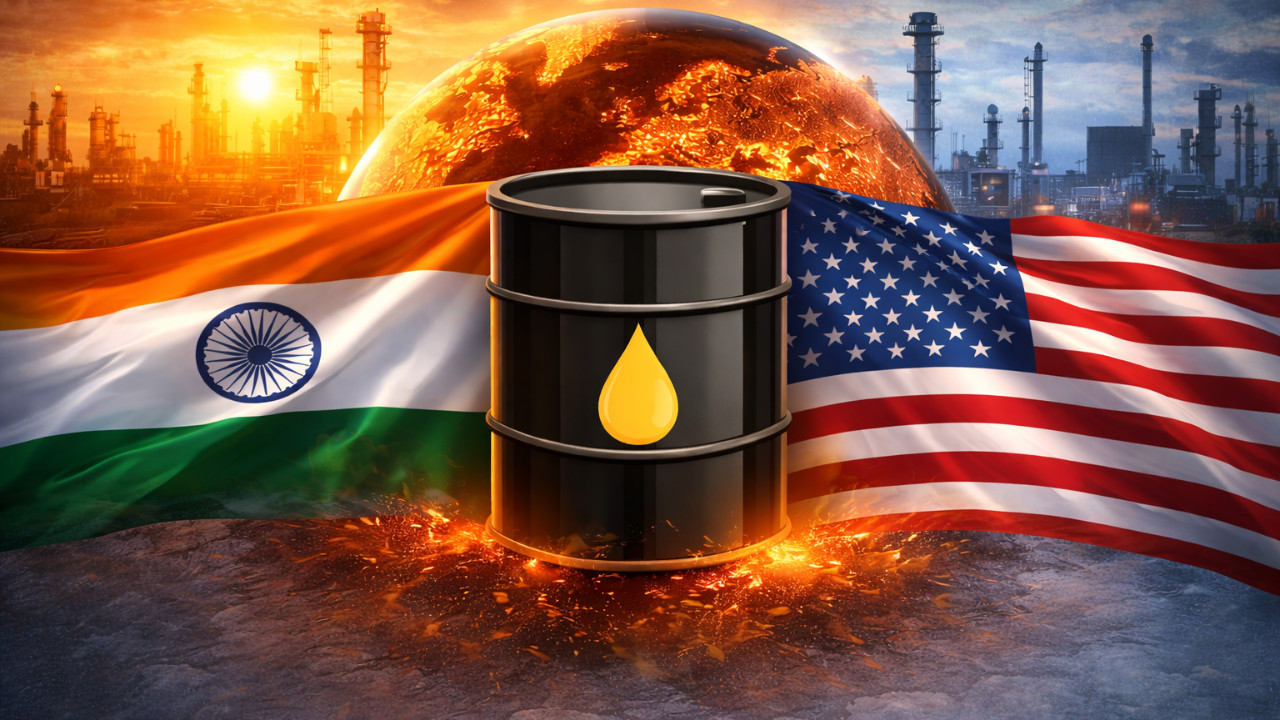
President Trump’s 50% tariff on Indian exports, triggered by continued Russian oil imports, risks unraveling US-India relations and pushing New Delhi closer to Moscow and Beijing. While aiming to pressure Russia, the move paradoxically benefits China, allowing it to secure discounted oil and expand its influence. This decision strains alliances and creates opportunities for Beijing to expand its global influence.
Navigating a Shifting World Order: How Trump’s Policies Could Impact India’s Energy Future
The global chessboard is being reset, and India finds itself in a fascinating, albeit potentially precarious, position. Recent rumblings from the United States, specifically concerning potential tariffs on Russian oil and broader trade strategies, are sending ripples through international markets. While the stated intent might be to pressure Russia, the unintended consequences could significantly reshape India’s energy landscape and, ironically, potentially bolster China’s global influence.
For years, India has carefully cultivated a multi-pronged energy sourcing strategy, seeking to balance affordability with geopolitical considerations. Russian crude, often available at discounted rates, has become a crucial component of that strategy. This allows India to fuel its rapidly growing economy while navigating the complexities of global energy markets. But what happens if that supply line is threatened?
The Potential Impact of Oil Tariffs on India’s Economy
The prospect of the US imposing tariffs on Russian oil imports is not just about numbers on a spreadsheet. It’s about the real-world impact on Indian consumers and businesses. Higher oil prices translate directly to increased transportation costs, manufacturing expenses, and ultimately, inflation. Imagine the pressure on already stretched household budgets and the challenges faced by industries reliant on stable energy costs. The reverberations would be felt across the entire Indian economy.


Furthermore, it introduces a level of uncertainty that can deter investment. Businesses thrive on predictability. When the cost of a vital resource like oil becomes a moving target, it makes long-term planning exceedingly difficult. This uncertainty can stifle innovation and slow down economic growth, precisely what India is striving to accelerate.
A Window of Opportunity for China?
While India grapples with these potential challenges, another global power could be poised to capitalize: China. If US tariffs restrict the flow of Russian oil to India, it could redirect those supplies towards China, potentially at even more favorable rates. This would give China a significant cost advantage in manufacturing and other energy-intensive industries, further strengthening its position as a global economic powerhouse. It would be a classic example of one nation’s policies inadvertently benefiting its competitor.
Moreover, a shift in trade dynamics could further solidify the economic alliance between Russia and China, potentially creating a more unified front against Western economic influence. This could have far-reaching consequences for the global balance of power, creating a more multipolar world where India’s strategic choices become even more critical.
India’s Strategic Options for Energy Independence
So, what can India do to navigate this complex situation? The answer lies in a multifaceted approach that prioritizes energy independence and diversification. This includes:
* Investing in Renewable Energy: Doubling down on solar, wind, and other renewable energy sources is no longer just an environmental imperative; it’s a matter of national security. The faster India can reduce its reliance on imported fossil fuels, the more resilient it will be to global price shocks and geopolitical pressures.
* Diversifying Energy Sources: Exploring alternative suppliers and forging new partnerships is crucial. This could involve strengthening ties with other oil-producing nations and investing in infrastructure to support a wider range of energy imports.
* Boosting Domestic Production: Increasing domestic oil and gas exploration and production, while adhering to environmental standards, can help reduce reliance on imports.
* Strategic Diplomacy: Engaging in active and nuanced diplomacy with both the US and Russia is essential to articulate India’s concerns and protect its economic interests.

India has already made significant strides in renewable energy and is actively exploring new energy partnerships. Now is the time to accelerate these efforts and proactively shape its energy future. By embracing a diversified and resilient energy strategy, India can navigate the shifting sands of global geopolitics and secure its economic prosperity.
Secure your Future with Strategic Investment
Ultimately, the situation highlights the interconnectedness of the global economy and the importance of proactive planning. While the impact of potential US tariffs on Russian oil tariffs remains to be fully seen, India has the opportunity to turn this challenge into an opportunity. By embracing energy diversification, investing in renewables, and engaging in strategic diplomacy, India can safeguard its economic future and emerge stronger in a rapidly changing world. Don’t forget to explore other articles on our site about strategic investments in India’s green energy sector.